In the dynamic world of scientific research, multidisciplinary lab teams have become a cornerstone of innovation and progress. With each field contributing its unique expertise, these teams are poised to tackle complex problems that defy the boundaries of traditional disciplines. However, the magic of collaboration doesn’t just happen; it requires careful cultivation and a set of universally applicable principles to thrive.
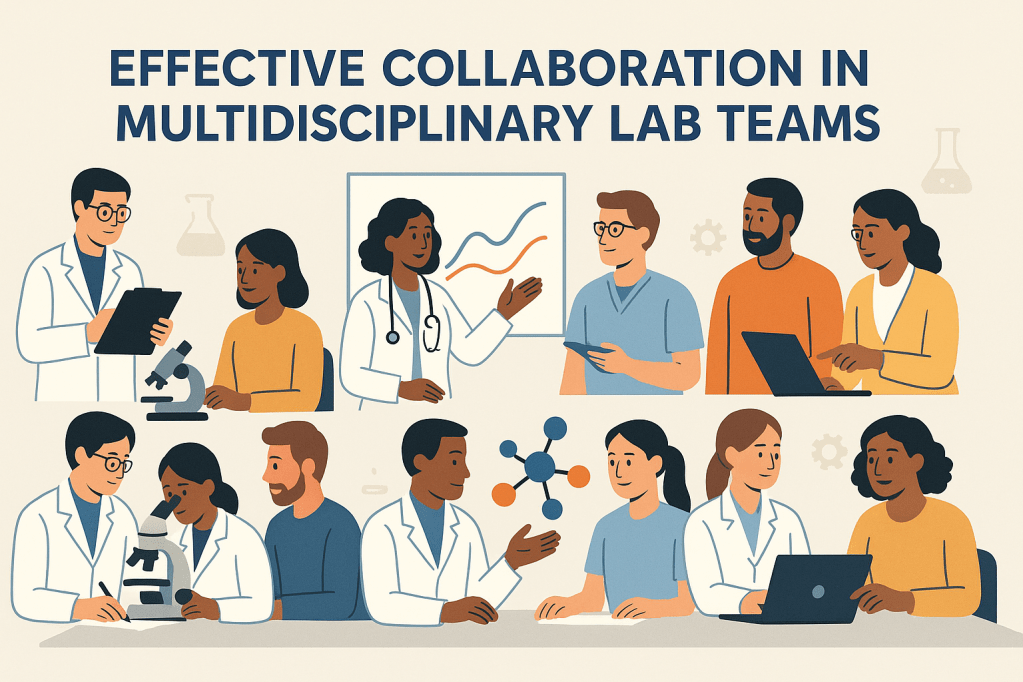
Firstly, open communication is the lifeblood of any successful multidisciplinary team. Each member must feel comfortable sharing ideas, asking questions, and expressing concerns without fear of judgment. Establishing an environment where diverse perspectives are celebrated encourages honest dialogue and prevents misunderstandings that can often stem from differing professional jargons or cultural backgrounds.
Next, setting clear goals and expectations is crucial. While each team member may bring a wealth of knowledge and skills, their primary focus should align with the overarching objectives of the project. When everyone understands their role and how their contributions fit into the larger picture, it fosters a sense of purpose and accountability. This clarity helps to sidestep the common pitfall where individual agendas overshadow team goals.
Another key factor is establishing protocols for conflict resolution. Inevitably, disagreements will arise when different disciplines clash over methodologies or interpretations. The trick is to harness these debates as opportunities for growth rather than sources of friction. Implementing a system for constructive criticism and compromise not only strengthens team bonds but also promotes the evolution of innovative solutions.
Moreover, the respect for each other’s expertise is fundamental. Acknowledging that every team member, regardless of their background, has valuable insights to offer creates a culture of mutual respect. This respect extends beyond technical skills to include an appreciation for the diverse life experiences that color each individual’s worldview, enriching the collective problem-solving process.
Training and development also play a pivotal role in multidisciplinary collaboration. Providing opportunities for team members to learn from one another not only elevates the team’s skill set but also breaks down professional silos. Hosting regular workshops, cross-disciplinary seminars, or even mentorship programs can facilitate knowledge exchange and build stronger interpersonal connections.
Technology is a double-edged sword when it comes to collaboration within lab teams. While digital tools and platforms offer unprecedented connectivity, they can equally distance team members if not used judiciously. Encouraging face-to-face interactions alongside virtual meetings ensures that the human element remains intact, preventing collaboration from becoming just another transactional process.
Lastly, celebrating successes as a team reinforces the sense of shared achievement and strengthens camaraderie. Recognizing individual contributions alongside team milestones fosters a cohesive spirit that propels the team towards future challenges with renewed vigor.
In conclusion, effective collaboration in multidisciplinary lab teams is a harmonious blend of communication, shared goals, respect, continuous learning, technological harmony, and personal connection. By fostering these principles, lab teams can unlock the full potential of their diverse compositions, driving innovation and achieving groundbreaking results that no single discipline could manage alone. As we navigate the complexities of modern research, let’s embrace the power of collaboration, for together, there are few challenges we cannot overcome.
 Pickett Applied Technologies Laboratories
Leave a comment