Time management is an elusive concept that many of us grapple with daily. With the constant barrage of work, family commitments, and personal aspirations, it’s easy to feel like we’re spinning our wheels, trying to keep up. But what if there was a blueprint—a set of habits—that could not only help you manage your time more effectively but also lead you to greater personal and professional success? Enter the 7 Habits of Highly Effective People, a seminal work by Dr. Stephen R. Covey.
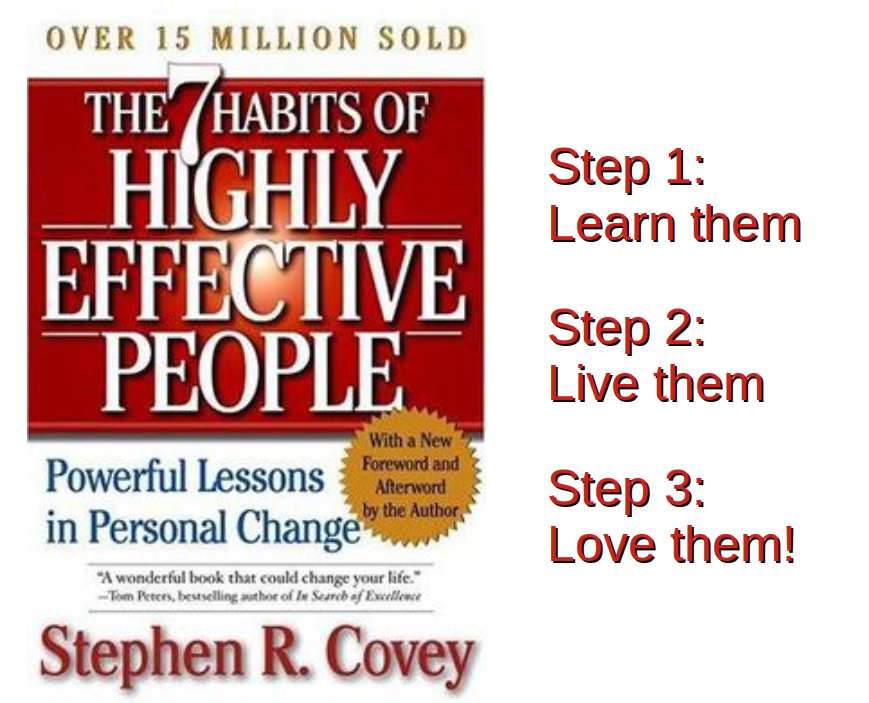
Covey’s habits are not just about squeezing more tasks into a day; they’re about prioritizing what truly matters, developing win-win relationships, and building self-awareness and integrity. Let’s dive into how each habit can transform your approach to time management.
- Be Proactive: The first habit is about taking responsibility for your life. It means choosing to act rather than react. By doing this, you control the agenda rather than letting circumstances dictate your actions. This proactive stance allows you to anticipate problems and plan solutions ahead of time, giving you a buffer against time-consuming crises.
- Begin with the End in Mind: Visualize your ideal future self and understand your core values and goals. This habit guides your daily actions, making sure that everything you do aligns with your vision. When you’re clear about your end goal, time-wasting distractions fall away as you focus on what truly advances you toward your objectives.
- Put First Things First: Prioritize tasks based on their importance and urgency. The principle here is to tackle the most crucial and time-sensitive tasks first, ensuring that what really matters gets done. By doing so, you avoid getting bogged down with less important activities that steal away precious time.
4.). Think Win-Win: Create relationships where both parties benefit. This habit promotes mutual respect and collaboration, saving time and energy from unnecessary conflicts. By fostering positive interactions, you can streamline your interactions, turning potentially contentious encounters into productive partnerships.
- Seek First to Understand, Then to Be Understood: Good communication is key to effective time management. Active listening ensures that you fully grasp others’ needs and concerns before voicing your own. This habit cuts down on misunderstandings and the need for repeated explanations, saving you hours of wasted time in conversations.
- Synergize: Work with others to achieve more than you could alone. Synergy means finding creative solutions that are greater than the sum of individual efforts. When you collaborate effectively, tasks can be accomplished faster and with better results—effectively leveraging the strengths and skills of those around you.
- Sharpen the Saw: Self-renewal through balanced growth is essential for long-term effectiveness. This habit is all about maintaining a healthy work-life balance. Regularly investing in your physical, mental, and emotional well-being means you’ll be more productive and less likely to burn out, allowing you to manage your time wisely.
Implementing these habits requires conscious effort and consistent practice. But once you adopt them, they become powerful tools to reclaim control over your time. By prioritizing your life according to these principles, you can eliminate unnecessary tasks, streamline your workflow, and make every moment count.
In essence, effective time management is about making deliberate choices that reflect your values and align with your vision. The 7 Habits of Highly Effective People provide a framework to help you do just that. So, why not start today? Adopt these habits, and experience the freedom that comes from having control over your time. Your future self will thank you for it.
 Pickett Applied Technologies Laboratories
Leave a comment