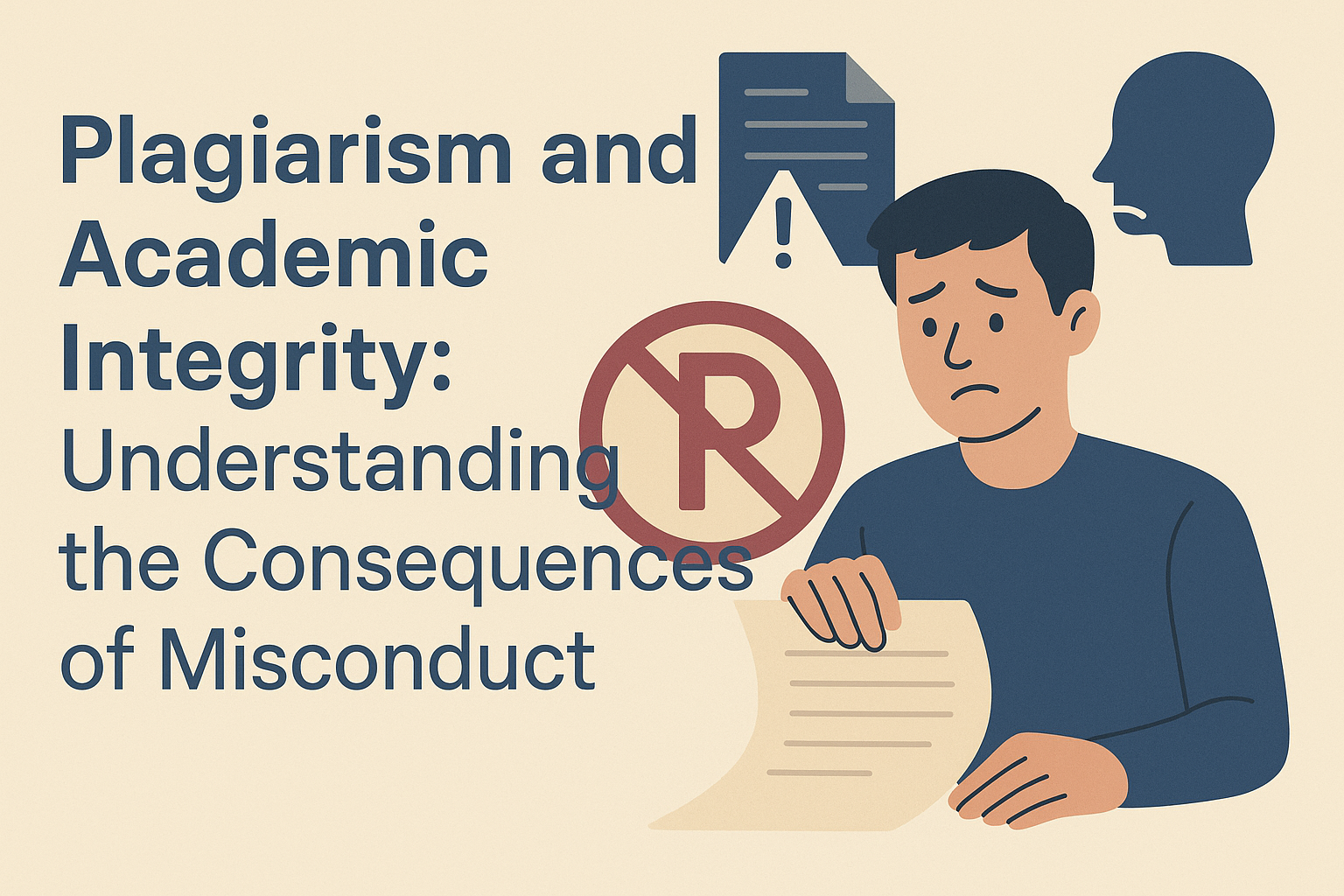
While I was a substitute teacher in K-12, I’ve seen firsthand the devastating effects that plagiarism and academic dishonesty can have on students’ reputations and future opportunities. As we strive to create a culture of integrity within our institutions, it’s essential to understand not only what constitutes plagiarism but also the severe consequences that follow when such misconduct is discovered.

At its core, plagiarism is the act of passing off someone else’s work as one’s own without proper attribution. This can take many forms, from copying and pasting text from online sources to paraphrasing a colleague’s ideas without credit. In today’s digital age, where information is readily available at our fingertips, it’s become increasingly easy to commit plagiarism unintentionally. However, ignorance of the rules is no excuse for violating them.
The consequences of plagiarism can be severe, ranging from failing grades and academic probation to expulsion and even lawsuits in extreme cases. But beyond these punitive measures lies a more profound impact: damage to one’s credibility and character. A reputation built on dishonesty can be difficult to repair, and the stain of plagiarism can follow students long after they’ve graduated.
Academic integrity is not just about avoiding plagiarism; it’s also about upholding the values of honesty, fairness, and respect for others’ intellectual property. It requires a commitment to doing one’s own work, seeking help when needed, and acknowledging the contributions of others. By embracing this culture of integrity, students can build trust with their peers and instructors, foster meaningful relationships, and develop essential skills that will serve them well throughout their academic and professional careers.
So what can we do to prevent plagiarism and promote academic integrity? First and foremost, educators must model these behaviors ourselves, making it clear through our policies, practices, and actions that we value honesty and original thought. We should also provide students with the tools and resources they need to succeed, including workshops on proper citation and research techniques.
Furthermore, institutions can implement robust detection systems to identify instances of plagiarism, but these measures alone are insufficient. We must also create an environment where students feel comfortable asking questions, seeking help when needed, and reporting concerns about academic dishonesty without fear of reprisal or judgment.
Ultimately, preventing plagiarism requires a multifaceted approach that involves educators, administrators, and students working together to promote a culture of integrity. By doing so, we can foster a community built on trust, respect, and intellectual curiosity – one where students feel empowered to take ownership of their work and proud to produce original ideas.
Leave a Reply