Category: Uncategorized

  • The Clear Lens of Research: How Cybersecurity Enhances Objectivity

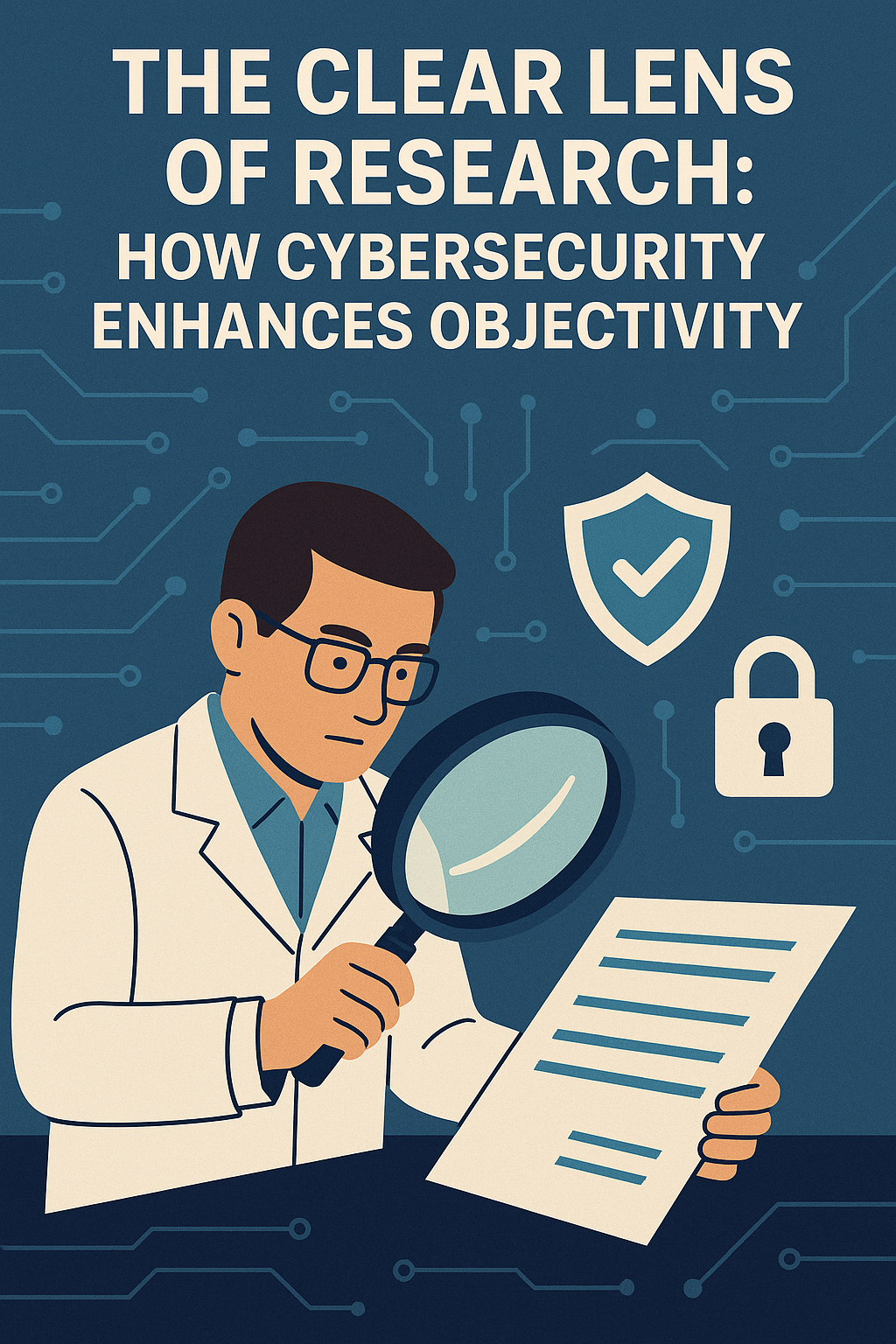
    The Clear Lens of Research: How Cybersecurity Enhances Objectivity

    As researchers, we strive to maintain a clear lens through which we view the world. This clarity allows us to distill complex ideas into actionable insights, ultimately informing our decisions and driving positive change. However, in today’s fast-paced digital landscape, maintaining this clarity can be a daunting task.

    Cybersecurity plays a critical role in enhancing objectivity by providing researchers with a secure foundation upon which to build their work. A secure environment allows us to focus on the research at hand, rather than worrying about potential vulnerabilities that could compromise our findings.

    One of the primary ways cybersecurity enhances objectivity is through data protection. By ensuring the integrity and confidentiality of our data, we can be confident that our results are reliable and trustworthy. This, in turn, enables us to make more informed decisions and draw more accurate conclusions.

    Another way cybersecurity contributes to objective research is by preventing information overload. With the vast amount of data available online, it’s easy to get caught up in a sea of irrelevant information. Cybersecurity tools help filter out noise and distractions, allowing us to focus on the most relevant and critical information.

    Furthermore, cybersecurity can also enhance objectivity by promoting transparency. By being open about our research methods and data sources, we can increase trust with our audience and avoid any potential biases or assumptions. This transparency is especially important in today’s digital age, where misinformation can spread quickly.

    In addition to these benefits, cybersecurity can also help researchers stay ahead of the curve by protecting against emerging threats. As new technologies emerge, it’s essential that we’re prepared to adapt and respond. Cybersecurity measures enable us to anticipate and mitigate potential risks, ensuring that our research remains current and relevant.

    Ultimately, a clear lens of research is only possible when we have a secure foundation upon which to build. By prioritizing cybersecurity, researchers can maintain objectivity, ensure the integrity of their data, and make more informed decisions. I firmly believe that cybersecurity is essential for producing high-quality research that truly contributes to our understanding of the world.
  • Data Encryption: A Key Strategy for Protecting Research Findings

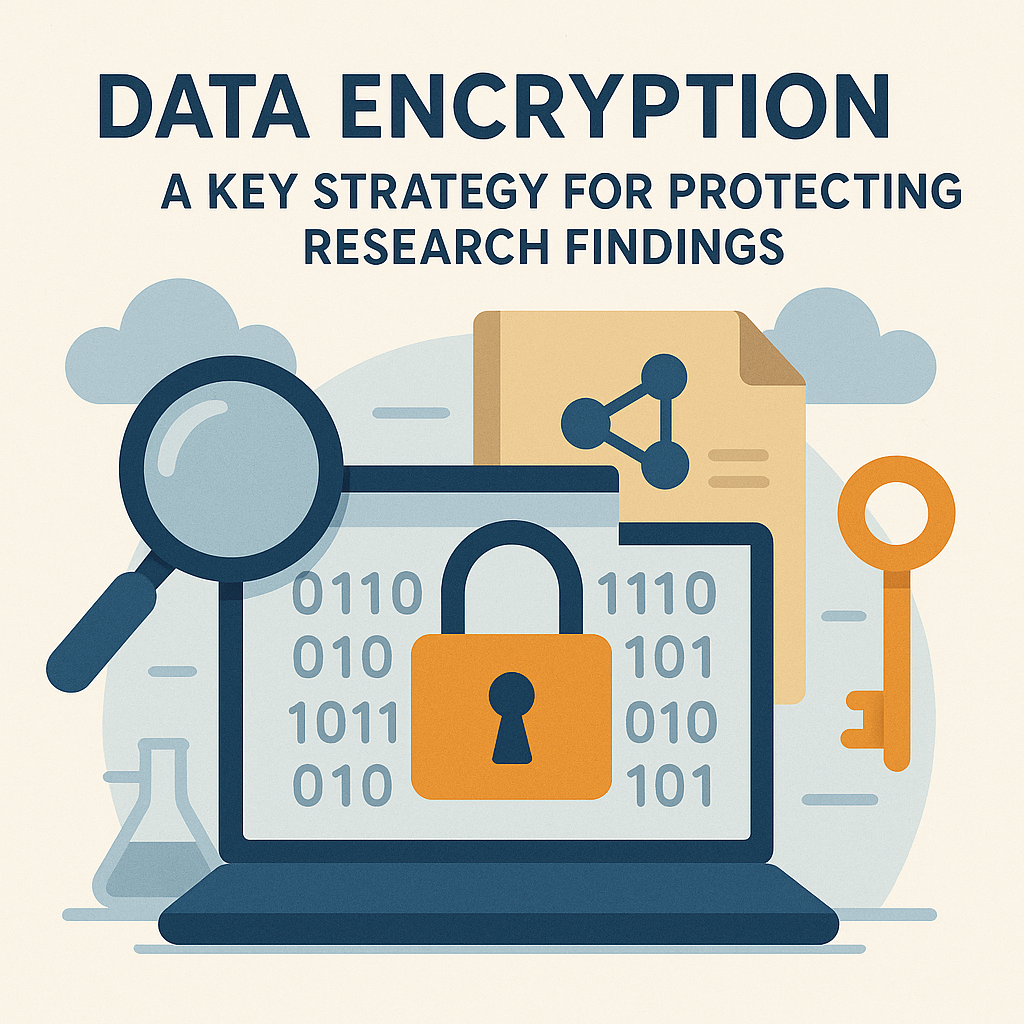
    Data Encryption: A Key Strategy for Protecting Research Findings

    As a researcher, I’ve dedicated my career to unlocking the secrets of our world. But with great power comes great responsibility – and that includes safeguarding sensitive information. That’s where data encryption comes in. By implementing robust encryption methods, researchers can protect their findings from falling into the wrong hands.

    Data encryption is the process of converting plaintext into unreadable ciphertext, making it virtually impossible for unauthorized parties to access or decode the data. This is particularly crucial when working with sensitive research data, such as personal identifiable information or confidential business strategies. By encrypting this data, researchers can ensure that their work remains secure and protected.

    There are several types of encryption methods available, including symmetric key encryption, asymmetric key encryption, and hashing algorithms. Symmetric key encryption uses the same key for both encryption and decryption, while asymmetric key encryption employs a pair of keys: one for encryption and another for decryption. Hashing algorithms, on the other hand, use one-way encryption to create a fixed-length digital fingerprint.

    When it comes to implementing data encryption, researchers must consider several factors, including key management, storage, and transmission protocols. Key management refers to the processes in place for generating, distributing, and managing encryption keys. Storage protocols dictate how encrypted data is stored on devices or in the cloud, while transmission protocols outline the methods used to transmit encrypted data over networks.

    The benefits of data encryption are numerous. Not only do they safeguard sensitive information from unauthorized access, but they also enable researchers to share their findings with confidence. By encrypting data, researchers can ensure that their work remains secure even when collaborating with colleagues or sharing results with external partners.

    In addition to protecting individual research projects, data encryption plays a critical role in maintaining the integrity of larger datasets and research initiatives. By encrypting sensitive information, researchers can prevent tampering or manipulation of data, ensuring that their findings remain accurate and trustworthy.

    As our reliance on technology continues to grow, the importance of robust data encryption strategies cannot be overstated. As a researcher, it’s essential to stay up-to-date on the latest encryption methods and best practices, as well as invest in tools and technologies that support secure data storage and transmission.

  • The Role of Data Analytics in Driving Business Decisions: Transforming Insights into Action

    The Role of Data Analytics in Driving Business Decisions: Transforming Insights into Action

    In today’s fast-paced business landscape, the ability to make informed decisions quickly can be the difference between success and stagnation. As organizations strive to stay ahead of the competition, data analytics has emerged as a powerful tool that not only enhances decision-making but also drives innovation and growth. Let’s explore how data analytics is transforming the way businesses operate and why embracing this technology is essential for future success.

    #### Understanding Data Analytics

    At its core, data analytics involves the systematic computational analysis of data to uncover patterns, correlations, and trends. This process allows businesses to turn raw data into actionable insights. With the explosion of data generated every day—from customer interactions to market trends—companies that harness the power of analytics can gain a significant competitive edge.

    Making Informed Decisions

    Imagine a retail company that uses data analytics to understand customer purchasing behavior. By analyzing sales data, customer feedback, and market trends, the company can identify which products are in high demand and which are not. This insight enables them to optimize inventory, tailor marketing strategies, and enhance customer experiences. Instead of relying on gut feelings or outdated practices, businesses can make decisions grounded in real-time data, leading to more effective strategies and improved outcomes.

    Enhancing Customer Experience

    Data analytics also plays a crucial role in enhancing customer experience. By analyzing customer data, businesses can segment their audience and personalize their offerings. For instance, streaming services like Netflix use data analytics to recommend shows and movies based on viewing history, keeping users engaged and satisfied. This level of personalization not only fosters customer loyalty but also drives sales, as customers are more likely to purchase products that resonate with their preferences.

    Driving Innovation

    In addition to improving decision-making and customer experience, data analytics can drive innovation. Companies can identify gaps in the market and emerging trends by analyzing data from various sources. For example, a tech startup might analyze user feedback and usage patterns to develop a new feature that addresses a specific pain point. This proactive approach to innovation can lead to the development of groundbreaking products and services that meet the evolving needs of consumers.

    Case Study: A Success Story

    Consider the case of a global airline that implemented data analytics to optimize its operations. By analyzing flight data, customer feedback, and operational metrics, the airline identified patterns that led to delays and customer dissatisfaction. Armed with these insights, they revamped their scheduling processes, improved communication with passengers, and enhanced their overall service quality. As a result, the airline saw a significant increase in customer satisfaction ratings and a boost in revenue.

    Overcoming Challenges

    While the benefits of data analytics are clear, many organizations face challenges in implementation. Data quality, integration, and the need for skilled personnel can pose obstacles. However, investing in the right tools and training can empower teams to leverage data effectively. Organizations should foster a data-driven culture where employees at all levels understand the importance of data and are encouraged to use it in their decision-making processes.

    Conclusion: Embrace the Data Revolution

    As we move further into the digital age, the role of data analytics in driving business decisions will only continue to grow. Organizations that embrace this technology will not only enhance their decision-making capabilities but also foster innovation and improve customer experiences. The future belongs to those who can turn data into actionable insights, and the time to start is now.

    In a world where data is abundant, the question is not whether to adopt data analytics but how quickly you can integrate it into your business strategy. By doing so, you’ll be well on your way to transforming insights into action and securing a prosperous future for your organization. Embrace the data revolution, and watch your business thrive!

  • Data Through a Clear Lens: Avoiding Subjective Traps

    Data Through a Clear Lens: Avoiding Subjective Traps

    In today’s world, data is king. It rules supreme in boardrooms, research labs, and even our everyday decisions. But the power of data comes with a caveat—it must be objective to be truly beneficial. Subjectivity can creep into data analysis like a silent thief, distorting results and leading us down the wrong path. As we navigate through the vast ocean of information, it’s crucial to equip ourselves with the tools to recognize and avoid these subjective traps.

    Data is king

    Imagine you’re a researcher trying to understand consumer behavior. You collect mountains of data through surveys, social media interactions, and purchase histories. But as you analyze this trove of information, your personal biases might influence which data points you focus on or how you interpret them. If you have a preconceived notion about a particular demographic, for instance, you might unconsciously assign more importance to data that aligns with those beliefs. This can lead to skewed findings and ineffective strategies.

    Similarly, in business decision-making, subjectivity can rear its head. Let’s say you’re evaluating two potential marketing campaigns. Both have solid data points to support their effectiveness, but one aligns more closely with your preferred brand image. You might unconsciously give that campaign more weight, neglecting the objective merits of the other. This preference can cloud your judgment and lead to investments that don’t deliver optimal results.

    Even in our personal lives, subjectivity in data interpretation can mislead us. Consider health-related information. A study might conclude that a certain food item is linked to better heart health. However, if you have a strong opinion about the food’s benefits or harms, you might selectively interpret the data to confirm your viewpoint. This could result in making uninformed dietary choices and potentially impacting your well-being.

    To avoid these traps, start by acknowledging your biases. Everyone has them—after all, they’re a natural part of being human. By recognizing these inherent tendencies, you can take steps to mitigate their impact on your analysis. One powerful tool is diversity in your team. Having people with different perspectives and backgrounds can counteract personal biases because they bring a wider array of viewpoints to the table.

    Another strategy is to use data visualization techniques. When data is presented in graphs, charts, and tables, it becomes easier to spot patterns and outliers that might be missed in raw numbers. These visual representations help reduce the influence of subjective interpretation and keep the focus on the data itself.

    Furthermore, statistical methods are designed to minimize bias. Techniques such as controlled experiments, stratified sampling, and regression analysis help ensure that the conclusions drawn from data are robust and not influenced by extraneous factors. Understanding and applying these methods can be a strong defense against subjectivity.

    Education is also a key factor. The more you know about data analysis and statistics, the better equipped you’ll be to critically evaluate information and separate fact from opinion. Courses, workshops, and online resources are excellent for honing these skills.

    In conclusion, while data holds immense power to inform and guide our decisions, we must remain vigilant against the seductive allure of subjectivity. By acknowledging our biases, leveraging diverse perspectives, employing visual aids, utilizing statistical methods, and committing to lifelong learning, we can ensure that our interpretations of data are clear, objective, and actionable. Remember, it’s not about eradicating bias entirely—no one can—but rather about minimizing its impact on our analysis to make the best possible decisions. With data viewed through a clear lens, we unlock its true potential to drive progress and innovation.

  • Explore CricoPort: Revolutionary Airway Management

    At Pickett Applied Technologies Labs, we are committed to developing innovative solutions that make a difference in the lives of individuals and communities around the world. Our mission is to push the boundaries of technology and create products that improve outcomes, enhance experiences, and save lives. As you explore our website, you will learn more about our cutting-edge work in various fields, from medical devices to supply chain management. We are passionate about leveraging our expertise to address complex challenges and deliver impactful results.

    A Closer Look at Our Work

    Take, for example, the CricoPort, a revolutionary airway management device designed to improve emergency response capabilities. This innovative product has been developed with precision manufacturing tolerances of 0.01mm, medical-grade construction conforming to military standards, and full compatibility with standard military medical equipment. The CricoPort training program utilizes a three-tier approach to ensure that users have the knowledge and skills needed to effectively use this life-saving device. Our comprehensive training strategy addresses documented intervention barriers through confidence-building exercises, legal education about Good Samaritan protections, physical accommodation training for those with strength or mobility limitations, and emphasis on safety features that prevent patient harm.

    A Commitment to Excellence

    At Pickett Applied Technologies Labs, we are dedicated to delivering high-quality products and services that exceed our customers’ expectations. Our team of experts is passionate about what we do and is committed to continuous learning and improvement. We believe that technology has the power to transform lives and communities. We are honored to be part of this journey and look forward to collaborating with like-minded individuals and organizations who share our vision.

    Stay Connected

    To stay up-to-date on the latest news, updates, and insights from Pickett Applied Technologies Labs, follow us on social media or subscribe to our newsletter. We value your feedback and would love to hear from you! Thank you for visiting our website. We look forward to connecting with you soon.

    Best regards,

    The Pickett Applied Technologies Labs Team