Blog

  • Mental Health in the Lab: Recognizing the Importance of Self-Care

    Mental Health in the Lab: Recognizing the Importance of Self-Care

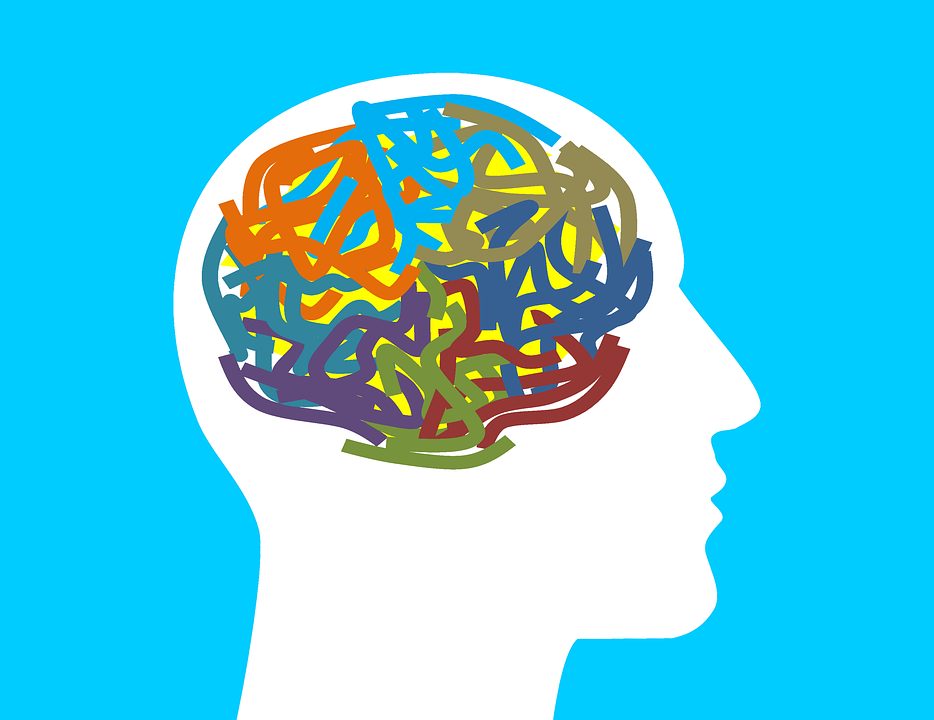
    As a researcher or scientist, your days are often packed with experiments, data analysis, and meetings. You’re dedicated to unraveling the mysteries of the natural world, driven by an insatiable curiosity and the pursuit of knowledge. However, buried beneath those endless to-do lists might be the unacknowledged toll that this demanding career takes on your mental well-being. It’s crucial to recognize that taking care of your mind is just as vital as nurturing your body and intellect in the lab.

    Self-care is often framed as a luxury, but for professionals working in high-stress environments like laboratories, it’s more accurately described as a necessity. The intense focus required for meticulous research and experimentation can sometimes lead to burnout, stress, and even mental health conditions if not managed properly. Scientists and researchers are human, after all, with the same need for emotional resilience and mental equilibrium as any other profession.

    We have all witnessed our fair share of colleagues grappling with the dual demands of their work and personal life. The pressure to produce groundbreaking results can sometimes push mental health to the back burner. Yet, a mind burdened by stress is less effective and more prone to errors—a detriment not only to individual well-being but also to the integrity and success of scientific endeavors as a whole.

    The good news is that integrating self-care into your routine doesn’t require a drastic overhaul of your schedule or an expensive spa retreat. Simple, manageable practices can significantly improve your mental health:

    1. Prioritize Sleep: Adequate rest is foundational for mental clarity and emotional stability. Aim for 7-9 hours of quality sleep per night. Create a restful environment by keeping screens out of the bedroom and establishing a relaxing pre-sleep routine.
    2. Take Breaks: Regular short breaks during work can help prevent mental fatigue and increase productivity. Utilize these moments to step outside, breathe in some fresh air, or simply close your eyes for a few minutes to reset.
    3. Stay Active: Engage in physical activities that you enjoy. Whether it’s a brisk daily walk, a weekend jog, or a session at the gym, exercise releases endorphins, which can lift your mood and reduce stress.
    4. Connect with Others: Don’t let the demands of your work isolate you. Maintain a strong social network. Talk to friends and family about your life outside of the lab. Consider joining professional groups where you can share experiences and reduce the pressure to succeed in solitude.
    5. Learn to Say No: Recognize when your workload is unsustainable and communicate effectively with supervisors or colleagues. Prioritize tasks and learn to decline commitments that will overextend you.
    6. Mindful Practices: Incorporate mindfulness or meditation into your daily routine. Even a few minutes of focused breathing can significantly reduce stress and improve concentration.
    7. Seek Professional Help if Needed: Sometimes, mental health challenges require professional intervention. Don’t hesitate to reach out to a therapist or counselor who understands the unique demands of your profession.

    By prioritizing self-care, you’re not only improving your own well-being but also ensuring that your work in the lab remains a source of passion and fulfillment rather than burnout and frustration. Remember, the best scientists are those who can sustain their mental clarity and emotional resilience over time—a feat that self-care can undoubtedly help achieve.

    So, whether you’re a seasoned researcher or a budding scientist, carve out time each day for activities that recharge your mind and body. After all, a well-nourished mind is the key to unlocking scientific wonders. Until next time, keep taking care of yourself, and remember that the pursuit of knowledge is a journey best taken at a pace that honors your whole self.

  • The Art of Saying No: Protecting Your Time and Energy

    The Art of Saying No: Protecting Your Time and Energy

    Another email lands in your inbox. Another “quick favor” is asked of you. Your calendar is a fortress under siege, and your default response is to open the gates: “Yes, of course.” If this sounds familiar, you’re not alone. I’ve learned—the hard way—that in our culture of perpetual busyness, the most powerful word isn’t “yes,” but “no.” Learning to say it has been the single most important skill for my success and sanity.

    The Hidden Cost of ‘Always Yes’

    In today’s world, it’s easy to get swept into the vortex of agreement. We say “yes” to more projects, more meetings, and more requests, believing we’re being helpful and indispensable. But this path often leads straight to burnout, exhaustion, and the suffocating feeling of being completely overwhelmed.

    I’ve watched countless talented people drown in obligations, their own passions and priorities lost beneath a sea of commitments to others. They worry that saying no will mean letting someone down or missing a golden opportunity. But here’s the crucial shift in perspective:

    Saying “no” to a new request is often saying “yes” to yourself.

    Reframe Your Thinking: ‘No’ is an Act of Self-Respect

    When we say no, we’re not rejecting a person; we are protecting our most valuable resources: our time and energy. We are acknowledging our limits and honoring our existing commitments. By strategically saying no, we stop overcommitting and become more productive, focused, and effective at the things we have said yes to.

    The biggest hurdle is often our own guilt. To overcome it, we need a dose of self-awareness. Ask yourself:

    • Why do I feel anxious saying no? Is it genuine concern for the person, or is it a people-pleasing reflex?
    • What am I afraid will happen? Disappointing someone? Seeming uncooperative?

    Once you understand the root of your hesitation, you can reframe “no” not as a negative, but as a positive declaration of self-awareness and self-respect.

    How to Deliver a Graceful ‘No’

    Of course, learning to say no doesn’t mean becoming blunt or rude. It’s about being clear, direct, and kind. It’s an exercise in assertive communication, not aggression.

    Here’s a simple framework:

    1. Acknowledge and Appreciate. Start by showing you’ve heard them and appreciate the offer or request.
    2. State Your ‘No’ Clearly. Use direct language. Avoid wishy-washy phrases like “I don’t think I can” or “I might not be able to.”
    3. Provide a Brief, Honest Reason (Optional but helpful). You don’t owe anyone a detailed explanation. A simple “My plate is full right now” or “I need to focus on my current projects” is enough.
    4. Show Respect for Their Needs. Even in refusal, you can affirm the importance of their request and wish them well.

    Scripts for Saying ‘No’ with Confidence

    Let’s put it into practice. Instead of a simple “no,” try one of these approaches:

    • For a social invitation: “Thank you so much for thinking of me! I really appreciate the invitation, but I won’t be able to make it. I’ve got a lot on my plate right now and need to protect my downtime. I hope you have a wonderful time!”
    • For a new work task: “Thanks for trusting me with this. My current project deadlines require my full attention, so I can’t take on anything new at the moment. I want to ensure I do my best work on my existing commitments.”
    • For a request for your time: “I appreciate you reaching out. Unfortunately, I’m not able to help with that right now as my schedule is committed. Best of luck with the project.”

    Your Most Valuable Skill

    Learning to say no isn’t easy, but it’s one of the most liberating skills you can develop. It’s a constant practice of self-awareness, empathy, and assertiveness.

    So, the next time you’re faced with a decision, take a breath before you answer. Ask yourself: By saying yes to this, what am I implicitly saying no to? Often, the answer is your own peace, your own priorities, and your own well-being. Choose wisely.

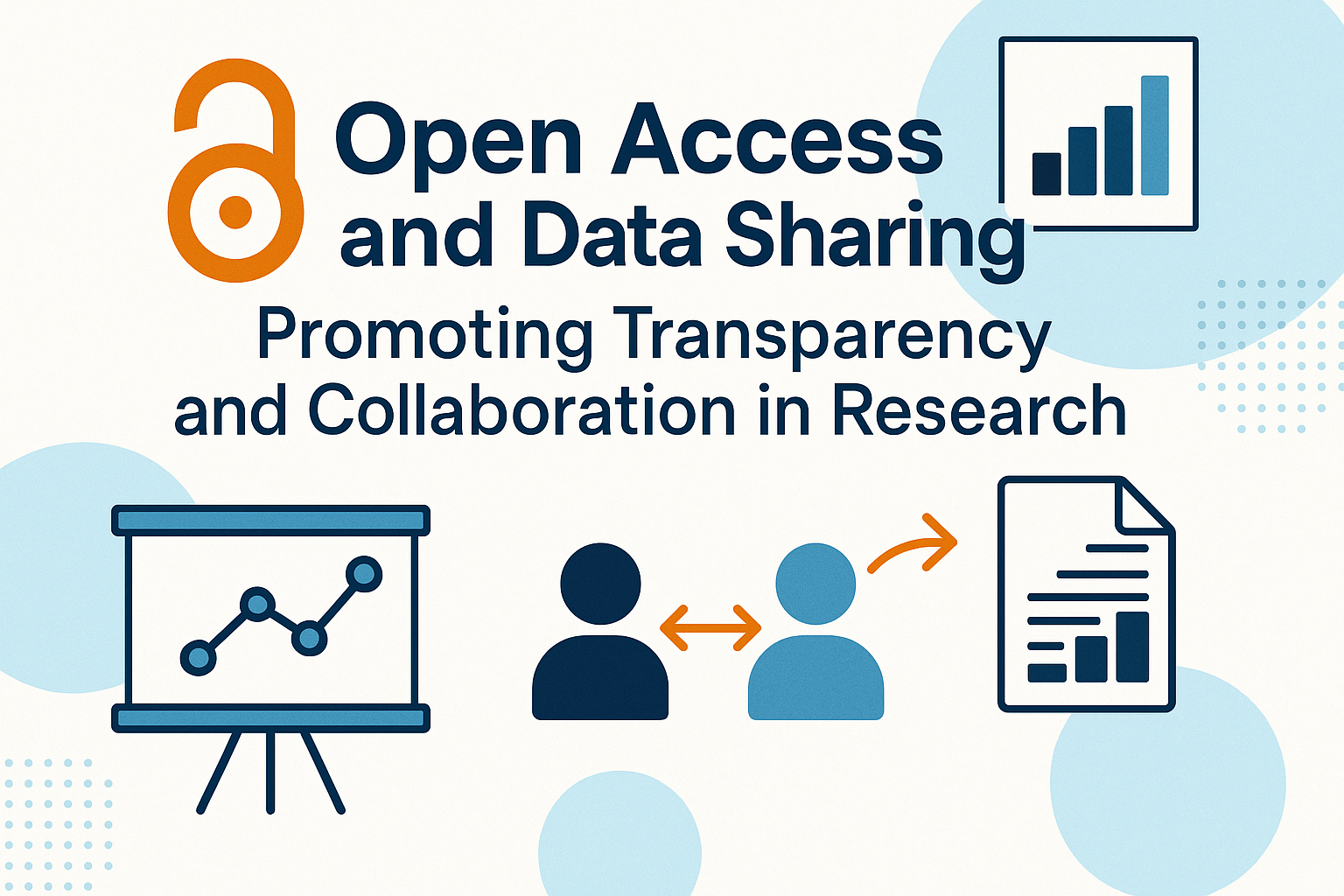
  • Open Access and Data Sharing: Promoting Transparency and Collaboration in Research

    Open Access and Data Sharing: Promoting Transparency and Collaboration in Research

    In recent years, the scientific community has been abuzz with discussions about open access and data sharing—two pillars that promise to revolutionize how research is conducted and disseminated. As we navigate this rapidly evolving landscape, it’s important to note that these practices are not merely trends; they are fundamental shifts that could potentially democratize knowledge and accelerate advancements across various fields.

    Open access refers to the idea that scholarly articles and other research outputs should be freely available to anyone who wishes to read them, without barriers such as paywalls. This concept directly challenges the traditional publishing model, which has long been criticized for limiting access to research findings, particularly for those in developing countries or for researchers without substantial library budgets. By embracing open access, institutions and authors can ensure that their work reaches a broader audience, fostering collaboration and stimulating further research.

    Data sharing takes this openness a step further by advocating for the unrestricted distribution of datasets used in research studies. Unlike articles that often contain synthesized findings and interpretations, raw data hold the potential to be scrutinized, repurposed, and analyzed anew by other researchers across disciplines. This practice not only bolsters the credibility of published work but also encourages a culture of verification, cross-validation, and innovation. Researchers can build upon existing datasets, uncovering new insights that might have remained hidden in silos.

    One of the most compelling arguments for open access and data sharing is their potential to promote transparency and collaboration in research. Transparency is about being clear and open about one’s methods, materials, and findings. When studies are openly accessible, other researchers can review methodologies, assess the validity of conclusions, and challenge results, thereby promoting a more robust and reliable body of scientific knowledge. This scrutiny is not only beneficial for science as a whole but also crucial for the public who fund research through their taxes.

    Moreover, open access and data sharing pave the way for interdisciplinary collaboration. Researchers from disparate fields can come together to analyze data, share hypotheses, and co-author publications. Such interactions often lead to groundbreaking work that transcends traditional boundaries and drives innovation. For instance, biologists collaborating with computer scientists might develop new analytical tools that revolutionize how genetic information is processed, while social scientists could use open data to inform public policy in ways previously unimagined.

    However, open access and data sharing are not without their challenges. The transition from the traditional publishing model to open access requires investment, both financial and in time. Institutions must ensure they have the infrastructure to handle digital publishing and support open access journals or repositories. Similarly, researchers may need to invest more time and effort into preparing their data for public release while navigating legal and ethical considerations.

    Despite these challenges, the momentum behind open access and data sharing remains strong. Calls for reform in how research is conducted, disseminated, and accessed continue to grow, with advocacy groups, funding agencies, and policymakers all playing a role in pushing these practices forward. As we embrace this future, it is crucial that we equip researchers with the tools and support needed to participate effectively in open access and data sharing initiatives.

    In conclusion, open access and data sharing represent transformative changes in research culture that promise to enhance transparency, collaboration, and innovation. By committing to these practices, we can work towards a future where knowledge is freely accessible, and research findings are used to their fullest potential to benefit society as a whole. As part of this movement, it’s our collective responsibility to advocate for policies and practices that ensure these changes are sustainable and impactful. Let’s keep pushing the boundaries of knowledge sharing to create a more open and interconnected world.

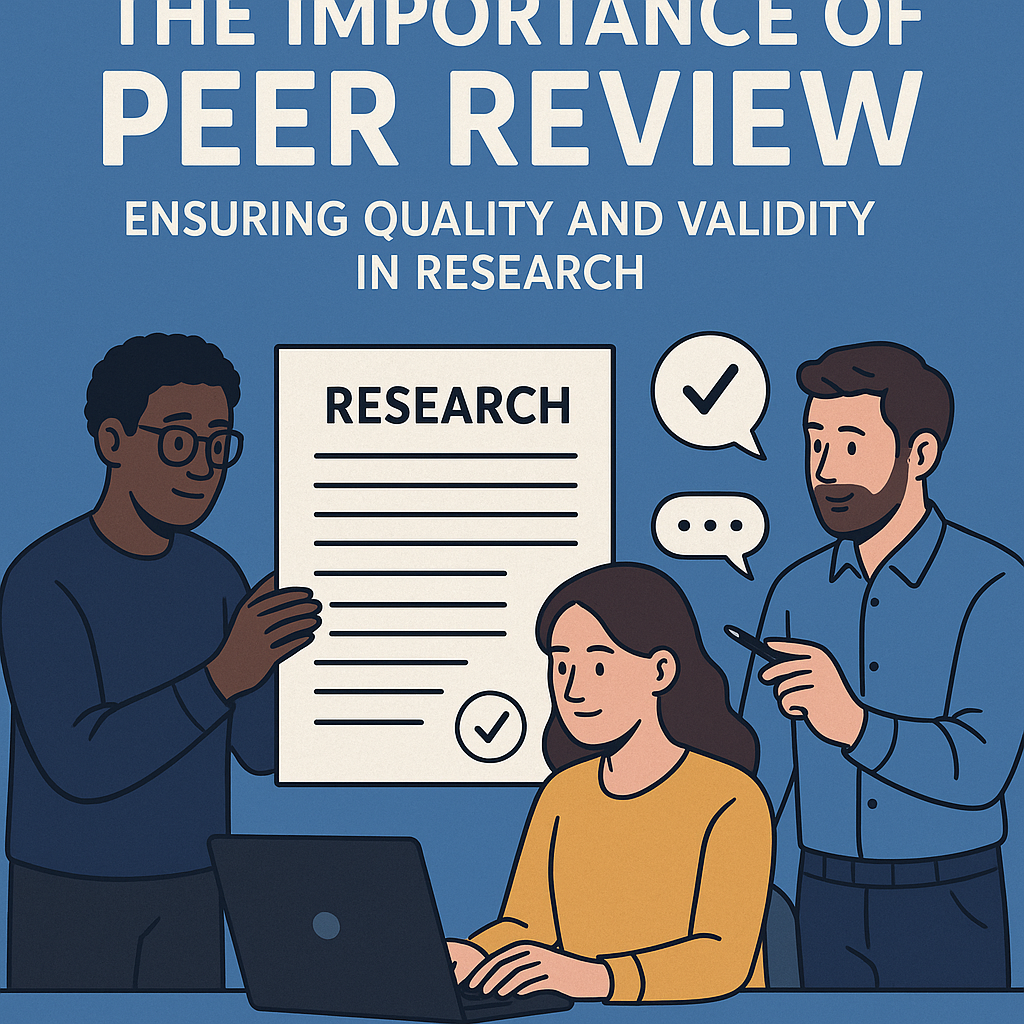
  • The Importance of Peer Review: Ensuring Quality and Validity in Research

    The Importance of Peer Review: Ensuring Quality and Validity in Research

    Today, we’re exploring a fundamental element that keeps scientific work trustworthy and robust: peer review. This process isn’t just a formality; it’s the backbone of credible research, safeguarding us from flawed findings and helping us build upon solid foundations.

    When researchers submit their manuscripts for publication, they are not merely casting them into the void of academia. Instead, these papers face a rigorous vetting process where they are scrutinized by experts in the field—peers who have a vested interest in upholding the integrity of their collective discipline. This procedure, though at times demanding and time-consuming, is absolutely essential.

    Picture this: you’ve spent months or even years conducting your research, pouring over data, experimenting, and analyzing results. The last thing you want is for your findings to be based on an error, or worse, to perpetuate misinformation. That’s where peer review steps in. It functions as an external check on the quality of work, ensuring that every claim is backed by solid evidence, and that methods are sound and replicable.

    The peer review process typically involves three stages: initial submission, review by one or more peers, and revision based on feedback. During the first stage, authors submit their manuscript for publication consideration. This can range from a research paper to a full-length article, depending on the journal’s scope. The editors then assign the submission to potential reviewers who are qualified experts in the subject matter.

    In the review phase, these peers evaluate the manuscript’s relevance, methodology, results, and conclusion. Their task is to ensure that every aspect of the research meets high standards of academic rigor. This includes checking for logical flow, coherence, clarity, and adherence to the principles of the scientific method. They may also suggest revisions or recommend rejection if they find major flaws or if the work does not contribute significantly to the existing body of knowledge.

    If a manuscript passes the initial review, it moves to the revision stage. Authors must address the reviewers’ comments and criticisms. This can involve substantial reworking of the text, correction of errors, and reanalysis of data. The goal here is to produce a polished piece that accurately reflects the research conducted, with all its complexities and nuances.

    Some might wonder why go through such trouble? The answer lies in the credibility and reliability of scientific research. Peer review acts as a quality filter, reducing the risk of publishing works that are not up to par. It ensures that what gets published is not just novel or intriguing but also valid and trustworthy. This is crucial not only for maintaining the reputation of academic journals and publishers but also for the entire scientific community. Each piece of research builds on what came before it, and flawed work can lead to erroneous conclusions being accepted as truth.

    Moreover, peer review encourages transparency and replication. Researchers must disclose their methods and data, enabling others to test their results and validate them independently. This open exchange fosters collaboration and advances our collective understanding.

    However, not all peer review processes are created equal. Some journals have rigorous standards and multiple rounds of review, while others may not be as stringent. As a consumer of academic literature, it’s important to look for journals with reputations for high-quality peer review.

    In conclusion, the peer review process is an indispensable part of scientific research, ensuring the work we rely on is sound and truthful. It’s a collaborative effort that not only guards against errors but also drives innovation and progress in our understanding of the world. So next time you read a research article, remember the tireless reviewers who worked to make it a reliable source of information. And for those embarking on their research journeys, embrace the peer review process—it’s your ticket to contributing to the collective body of knowledge with confidence and credibility. Thanks for reading, and see you next week!

  • The Power of Daily Planning: How to Use the Franklin Planner Effectively

    The Power of Daily Planning: How to Use the Franklin Planner Effectively

    As Robert, I’ve had the privilege of working with numerous individuals who’ve struggled to manage their time effectively. Many have turned to various planners and tools in search of a solution, but few have found lasting success. That’s why I’m excited to share with you my expertise on how to use the Franklin Planner to revolutionize your daily planning.

    The Franklin Planner is more than just a tool – it’s a system designed to help you prioritize tasks, manage time, and increase productivity. Developed by Stephen Covey and the team at FranklinCovey, this planner has been helping individuals achieve their goals for decades. However, its full potential can only be unlocked when used correctly.

    So, what sets the Franklin Planner apart from other planners? For starters, it’s a comprehensive system that encourages you to break down large tasks into smaller, manageable chunks. This approach allows you to focus on the essentials and tackle high-priority tasks first. The planner also features a unique time-blocking system, which helps you allocate specific times for each task, minimizing distractions and maximizing efficiency.

    One of the most significant benefits of using the Franklin Planner is its emphasis on prioritization. By identifying your top priorities and tackling them first, you’ll be amazed at how much more you can accomplish in a day. The planner’s priority matrix system allows you to categorize tasks based on their urgency and importance, ensuring that you’re always working on what matters most.

    Another key aspect of the Franklin Planner is its focus on goal-setting. By setting clear, specific goals for each day, week, or month, you’ll be able to stay motivated and focused. The planner provides a space for you to write down your long-term goals and break them down into smaller, actionable steps. This approach helps you build momentum and create a sense of accomplishment.

    To get the most out of the Franklin Planner, it’s essential to establish a consistent routine. Set aside a few minutes each morning to review your schedule, prioritize tasks, and make any necessary adjustments. The planner’s daily pages provide a clear layout for planning your day, with space for notes, appointments, and reminders.

    In addition to the physical planner itself, FranklinCovey offers a range of digital tools and resources to help you stay organized. From mobile apps to online planners, their suite of tools can be tailored to meet your unique needs and preferences.

    While some may find it daunting to switch from a traditional planner or digital tool, I encourage you to give the Franklin Planner a try. With its comprehensive approach to daily planning, emphasis on prioritization, and focus on goal-setting, it’s an ideal choice for anyone looking to revolutionize their productivity. By implementing this system into your daily routine, you’ll be amazed at how much more you can accomplish in less time.

    As with any new tool or system, it’s essential to be patient and flexible. It may take some time to adjust to the Franklin Planner’s unique layout and approach, but trust me when I say that the benefits far outweigh the initial learning curve. By using this planner effectively, you’ll not only become more productive but also develop greater confidence in your ability to manage time and achieve your goals.

    So why wait? Take control of your daily planning today by incorporating the Franklin Planner into your routine. With its proven track record and comprehensive approach, I’m confident that it will help you achieve success like never before.

  • Equipment Maintenance and Calibration: Best Practices for Lab Management

    Equipment Maintenance and Calibration: Best Practices for Lab Management

    As lab managers, we understand that maintaining accurate and reliable equipment is crucial to our daily operations. However, with increasingly complex instruments and growing workloads, it can be challenging to ensure that our equipment is running at optimal levels. In this article, Robert will discuss the best practices for equipment maintenance and calibration in laboratory settings.

    Regular maintenance is essential to prevent equipment failure and downtime, which can have significant impacts on research productivity and quality control. A well-planned maintenance schedule should cover a range of activities, including cleaning, lubricating, and replacing worn parts. This not only extends the lifespan of our equipment but also ensures that it operates within predetermined performance parameters.

    One critical aspect of maintenance is calibration, which involves adjusting instruments to ensure they are reading accurately. Calibration procedures must be followed carefully, as incorrect settings can compromise data integrity and lead to costly rework. Moreover, calibration records should be kept up-to-date and easily accessible for auditing purposes.

    To establish effective equipment management practices, we need to consider several key factors. First, it’s essential to have a thorough understanding of our equipment’s specific requirements, including any manufacturer-recommended maintenance schedules. Second, lab personnel must receive proper training on the operation, maintenance, and calibration procedures for each instrument. This can be achieved through regular workshops, online tutorials, or hands-on sessions.

    Another critical consideration is the establishment of clear communication channels between technical support teams, laboratory staff, and management. Regular equipment inspections should be conducted to identify potential issues before they become major problems. By fostering a culture of open collaboration and knowledge-sharing, lab managers can create an environment where maintenance and calibration are viewed as essential aspects of our daily routine.

    ALWAYS! Get a copy of the calibration report from the company of every piece of equipment that was used to calibrate your equipment. ALWAYS!

    In addition to these best practices, labs can benefit from implementing standardized protocols for equipment tracking and documentation. This includes maintaining accurate records of instrument usage, maintenance history, and calibration schedules. Automated systems or spreadsheets can be used to streamline data collection and make it easier to identify trends or areas that require attention.

    Effective equipment management is not just about following a set of rules; it’s also about adopting a proactive approach that anticipates potential issues before they arise. Lab managers should strive to create a culture of continuous improvement, where staff members feel empowered to identify opportunities for optimizing equipment performance and implementing new best practices. By prioritizing maintenance and calibration, we can not only prevent costly downtime but also ensure the accuracy and reliability of our results.

    In conclusion, maintaining accurate and reliable equipment is an ongoing process that requires dedication, expertise, and a commitment to continuous improvement. By establishing clear policies, providing training, and fostering open communication channels, lab managers can create environments where maintenance and calibration are viewed as essential aspects of daily operations.

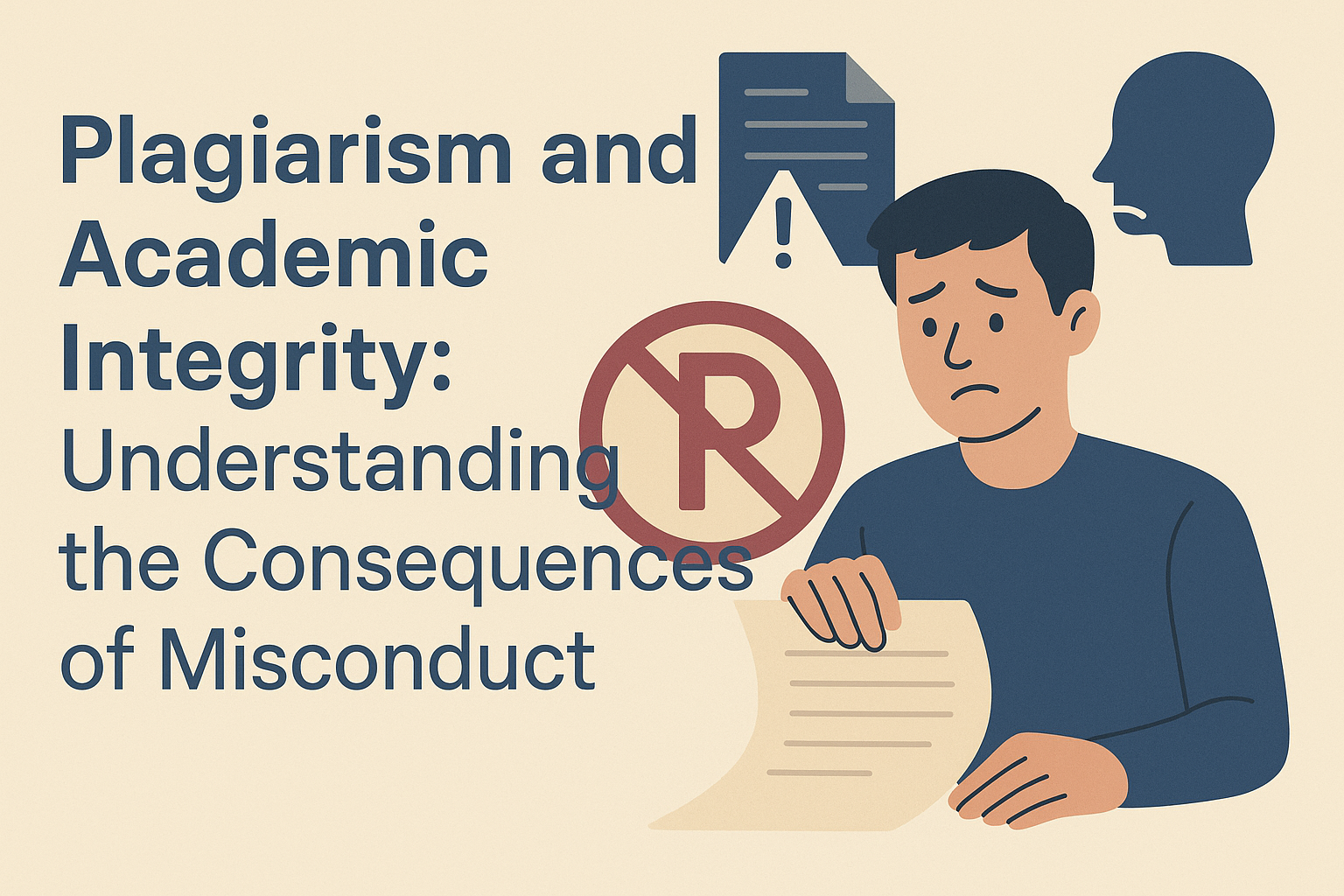
  • Plagiarism and Academic Integrity: Understanding the Consequences of Misconduct

    Plagiarism and Academic Integrity: Understanding the Consequences of Misconduct

    While I was a substitute teacher in K-12, I’ve seen firsthand the devastating effects that plagiarism and academic dishonesty can have on students’ reputations and future opportunities. As we strive to create a culture of integrity within our institutions, it’s essential to understand not only what constitutes plagiarism but also the severe consequences that follow when such misconduct is discovered.

    At its core, plagiarism is the act of passing off someone else’s work as one’s own without proper attribution. This can take many forms, from copying and pasting text from online sources to paraphrasing a colleague’s ideas without credit. In today’s digital age, where information is readily available at our fingertips, it’s become increasingly easy to commit plagiarism unintentionally. However, ignorance of the rules is no excuse for violating them.

    The consequences of plagiarism can be severe, ranging from failing grades and academic probation to expulsion and even lawsuits in extreme cases. But beyond these punitive measures lies a more profound impact: damage to one’s credibility and character. A reputation built on dishonesty can be difficult to repair, and the stain of plagiarism can follow students long after they’ve graduated.

    Academic integrity is not just about avoiding plagiarism; it’s also about upholding the values of honesty, fairness, and respect for others’ intellectual property. It requires a commitment to doing one’s own work, seeking help when needed, and acknowledging the contributions of others. By embracing this culture of integrity, students can build trust with their peers and instructors, foster meaningful relationships, and develop essential skills that will serve them well throughout their academic and professional careers.

    So what can we do to prevent plagiarism and promote academic integrity? First and foremost, educators must model these behaviors ourselves, making it clear through our policies, practices, and actions that we value honesty and original thought. We should also provide students with the tools and resources they need to succeed, including workshops on proper citation and research techniques.

    Furthermore, institutions can implement robust detection systems to identify instances of plagiarism, but these measures alone are insufficient. We must also create an environment where students feel comfortable asking questions, seeking help when needed, and reporting concerns about academic dishonesty without fear of reprisal or judgment.

    Ultimately, preventing plagiarism requires a multifaceted approach that involves educators, administrators, and students working together to promote a culture of integrity. By doing so, we can foster a community built on trust, respect, and intellectual curiosity – one where students feel empowered to take ownership of their work and proud to produce original ideas.

  • Grant Writing Ethics: Ensuring Transparency and Accountability

    Grant Writing Ethics: Ensuring Transparency and Accountability

    As a professional in the field of grant writing, it’s essential to acknowledge the delicate balance between securing funding for valuable projects and maintaining the highest standards of ethics. Transparency and accountability are crucial components of this balance, as they foster trust between organizations, funders, and the communities we serve.

    Ultimately, the key to successful grant writing is not just securing funding but building lasting relationships founded on trust, integrity, and a commitment to serving others.
    Ultimately, the key to successful grant writing is not just securing funding but building lasting relationships founded on trust, integrity, and a commitment to serving others.

    At its core, grant writing is about advocating for the needs of our clients or beneficiaries, whether it’s a non-profit organization, a community group, or an individual in need. We’re not just pitching proposals to secure funding; we’re representing the voices and aspirations of those we aim to help. This responsibility requires us to be meticulous in our research, accurate in our reporting, and honest in our representations.

    One critical aspect of grant writing ethics is transparency regarding potential conflicts of interest. As professionals, we must disclose any relationships or affiliations that could influence our judgment or compromise the integrity of a proposal. This includes not only financial ties but also personal connections or professional partnerships that may impact our objectivity. By being upfront about these potential conflicts, we maintain the trust of funders and stakeholders.

    Another essential element is accountability in managing grant funds once they’re awarded. Grant writers must work closely with project managers, finance teams, and other stakeholders to ensure that expenses are properly documented, invoices are accurately accounted for, and reporting deadlines are met. This level of transparency not only satisfies funder requirements but also enables us to track the effectiveness of our projects and make data-driven decisions for future initiatives.

    Transparency in grant writing extends beyond financial management to include clear communication with stakeholders throughout the project lifecycle. Regular updates on project progress, milestones achieved, and challenges overcome help maintain trust and confidence among funders, community members, and other partners. This transparency also allows us to adapt our strategies as needed, making adjustments that ensure we’re meeting the needs of those we serve.

    In addition to individual accountability, organizations must also prioritize a culture of transparency within their own walls. Grant writing teams should operate with a high level of autonomy, allowing team members to contribute their expertise and insights without fear of reprisal or judgment. This freedom enables us to tackle complex challenges and develop innovative solutions that align with the needs of our clients.

    Maintaining ethics in grant writing requires ongoing education and self-reflection. Professionals must stay current on best practices, research new developments in their field, and engage in regular peer review and critique. By staying vigilant about our own biases and assumptions, we can better anticipate potential pitfalls and develop more effective strategies for promoting transparency and accountability.

    Ultimately, the key to successful grant writing is not just securing funding but building lasting relationships founded on trust, integrity, and a commitment to serving others. By prioritizing ethics, we not only strengthen our reputation as professionals but also foster a culture of transparency that benefits everyone involved in our projects – from funders to community members to the organizations we represent.

    Robert

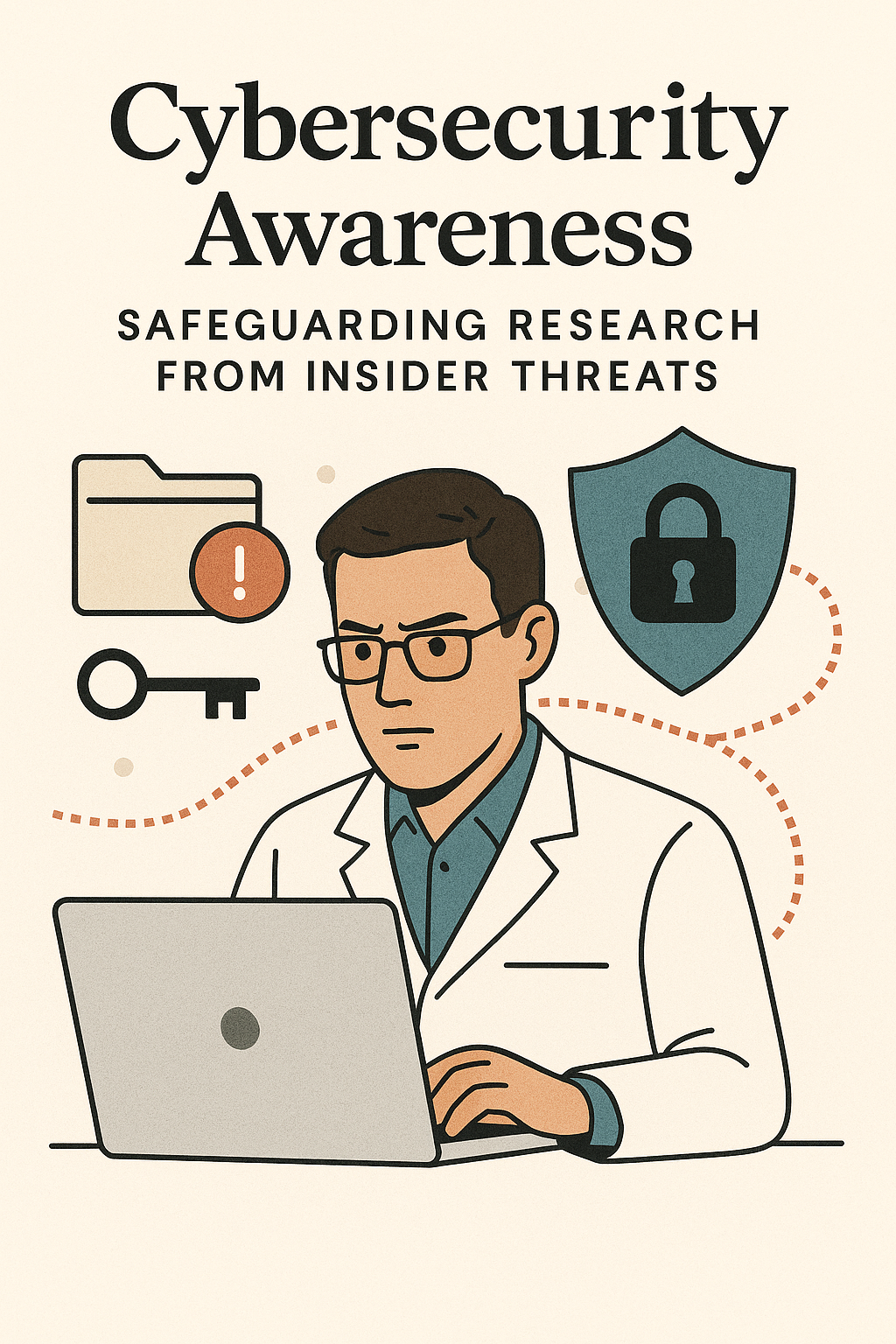
  • Cybersecurity Awareness: Safeguarding Research from Insider Threats

    Cybersecurity Awareness: Safeguarding Research from Insider Threats

    As researchers, we’re all too familiar with the concept of confidentiality, integrity, and availability – the pillars that underpin any secure data handling process. However, there’s a particular threat to these principles that we often overlook, despite its potential for catastrophic consequences: insider threats.

    An insider threat can manifest in many ways, from accidental negligence to deliberate sabotage. In the context of research, an insider threat could compromise sensitive data, disrupt project timelines, or even lead to intellectual property theft. The question is, how do we safeguard our research from these insidious dangers?

    One critical aspect of mitigating insider threats lies in education and awareness. It’s not enough to simply implement technical controls; researchers need to understand the risks associated with their actions. This includes being mindful of sensitive data handling practices, recognizing the importance of access control, and avoiding behaviors that could be exploited by malicious actors.

    When it comes to safeguarding research from insider threats, one key strategy is to adopt a layered approach to security. This involves combining technical controls like encryption and access management with non-technical measures such as employee education and awareness programs. By doing so, we can create a robust defense against insider threats that’s far more effective than relying on any single solution.

    One of the primary challenges in addressing insider threats is striking a balance between security and usability. On one hand, overly restrictive controls can stifle productivity and collaboration; on the other hand, lax policies can leave sensitive data vulnerable to exploitation. By implementing solutions that are both secure and user-friendly, we can minimize the risk of insider threats without compromising our research goals.

    Another essential component in mitigating insider threats is to establish a culture of transparency and accountability within our institutions. This involves fostering an environment where employees feel comfortable reporting concerns or suspicious behavior without fear of retribution. By doing so, we can identify potential issues early on and take proactive steps to address them before they escalate into major incidents.

    In addition to these measures, it’s essential to conduct regular security audits and risk assessments to identify vulnerabilities in our systems and processes. This involves monitoring employee activity, analyzing access patterns, and reviewing data handling practices to ensure compliance with established policies and procedures. By staying vigilant and proactive, we can minimize the likelihood of insider threats and safeguard our research from potential harm.

    While no single solution can completely eliminate the risk of insider threats, a comprehensive approach that combines education, awareness, technical controls, and non-technical measures can significantly reduce this risk. By working together to create a culture of security and accountability within our institutions, we can protect our research from these insidious dangers and continue advancing knowledge with confidence.

    In conclusion, safeguarding our research from insider threats requires a multifaceted approach that addresses both technical and human factors. By prioritizing education, awareness, transparency, and accountability, we can minimize the risk of insider threats and ensure the continued integrity of our research endeavors. As researchers, it’s our responsibility to stay vigilant and proactive in this regard, and by doing so, we can safeguard our work for years to come.

  • The Pursuit of Objectivity in Scientific Discovery

    The Pursuit of Objectivity in Scientific Discovery

    As scientists, we’re constantly striving to advance our understanding of the world around us. But have you ever stopped to think about how we arrive at those groundbreaking discoveries? It’s a process that involves more than just collecting data and crunching numbers – it requires a deep commitment to objectivity.

    Objectivity is the cornerstone of scientific inquiry, allowing us to set aside personal biases and agendas in favor of a clear-eyed examination of the facts. But achieving true objectivity is no easy feat, especially when we’re dealing with complex and nuanced subjects that can be influenced by a multitude of factors. It’s one thing to say you’re approaching a problem from a neutral perspective; it’s quite another to actually do so.

    Many of us have dedicated themselves to exploring the intricacies of objectivity in scientific research. They have seen firsthand how easily assumptions and preconceptions can creep into even the most rigorous studies, skewing results and undermining the validity of conclusions.

    One key challenge that arises when attempting to achieve objectivity is dealing with the inherent subjectivity of human perception. No matter how hard we try to set aside our own biases, it’s impossible to eliminate entirely – at least not without some degree of self-awareness and introspection. This doesn’t mean that scientists should be discouraged from exploring their own perspectives; rather, it highlights the importance of recognizing and managing these influences in a deliberate and systematic way.

    Take, for example, the realm of climate science. Here, researchers are constantly grappling with the complex interplay between human activity and natural phenomena – an interaction that’s inherently difficult to quantify or model accurately. By acknowledging the provisional nature of current knowledge and being transparent about the limitations of their data, scientists can create a foundation for more objective conclusions.

    One approach I advocate for is adopting a ‘both-sides’ perspective in research. This means actively seeking out diverse viewpoints and interpretations before synthesizing findings into a comprehensive whole. It’s not about arriving at some arbitrary midpoint or middle ground; rather, it’s about recognizing that truth often lies in the gray areas between competing theories.

    The pursuit of objectivity is an ongoing process, one that requires continuous effort and reflection from scientists across all disciplines. By embracing this journey – rather than trying to force a destination – we can create a more robust and reliable body of knowledge that truly reflects our understanding of the world.

    In many cases, achieving true objectivity will require significant shifts in how research is conducted and communicated. This may involve rethinking traditional approaches to data collection, analysis, or interpretation; it might also entail changing the way scientists engage with one another – including an increased willingness to question established assumptions and conventional wisdom.

    Ultimately, our pursuit of objectivity should be about more than just arriving at ‘right’ answers; it’s about fostering a culture of rigorous inquiry that values intellectual honesty above all else. By doing so, we can ensure that the discoveries we make today will form a solid foundation for those of tomorrow – a prospect that holds boundless promise for advancing human knowledge and improving our collective understanding of the world around us.

Pickett Applied Technologies Laboratories

Making the future

Skip to content ↓