Tag: cybersecurity

  • Cybersecurity Awareness: Safeguarding Research from Insider Threats

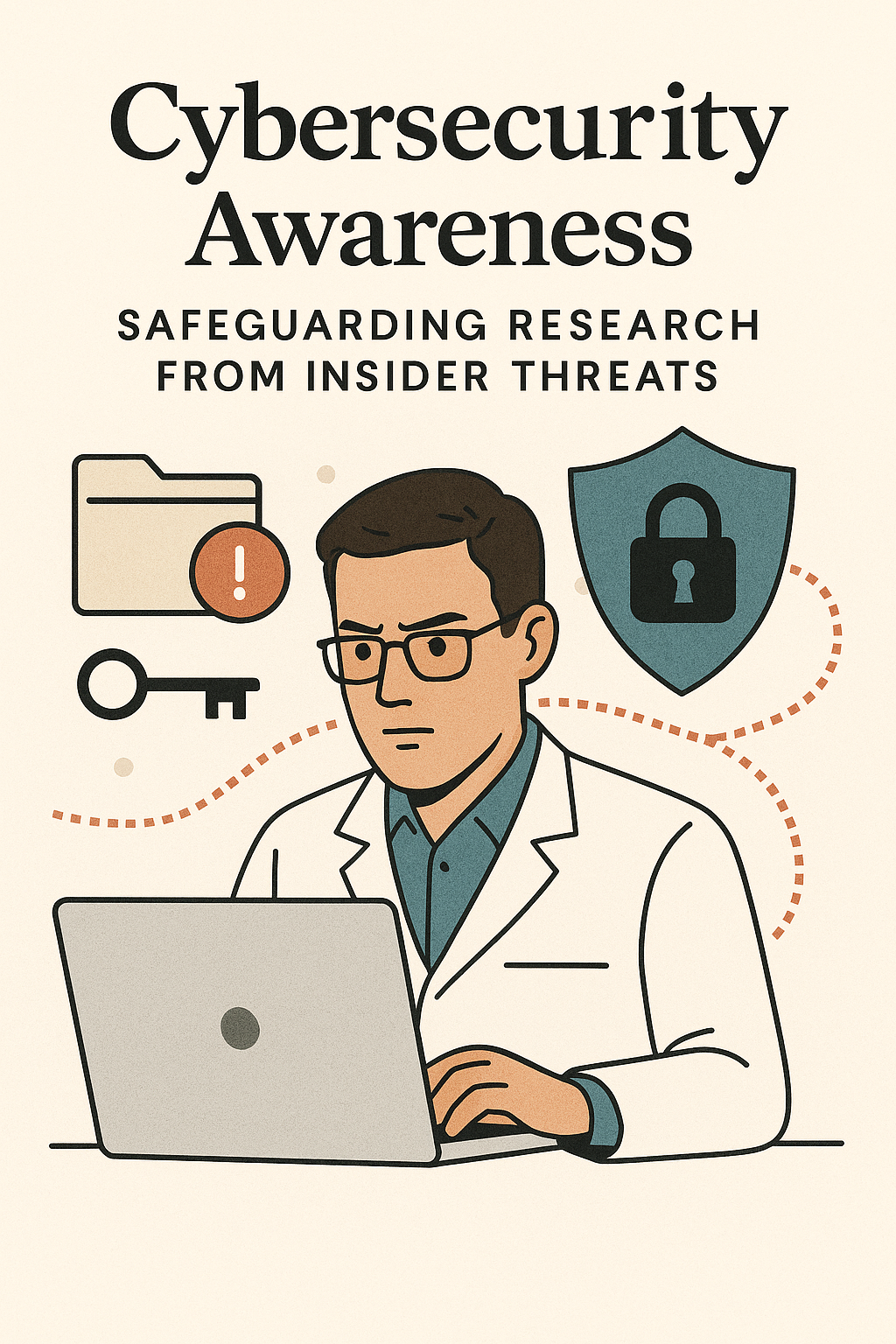
    Cybersecurity Awareness: Safeguarding Research from Insider Threats

    As researchers, we’re all too familiar with the concept of confidentiality, integrity, and availability – the pillars that underpin any secure data handling process. However, there’s a particular threat to these principles that we often overlook, despite its potential for catastrophic consequences: insider threats.

    An insider threat can manifest in many ways, from accidental negligence to deliberate sabotage. In the context of research, an insider threat could compromise sensitive data, disrupt project timelines, or even lead to intellectual property theft. The question is, how do we safeguard our research from these insidious dangers?

    One critical aspect of mitigating insider threats lies in education and awareness. It’s not enough to simply implement technical controls; researchers need to understand the risks associated with their actions. This includes being mindful of sensitive data handling practices, recognizing the importance of access control, and avoiding behaviors that could be exploited by malicious actors.

    When it comes to safeguarding research from insider threats, one key strategy is to adopt a layered approach to security. This involves combining technical controls like encryption and access management with non-technical measures such as employee education and awareness programs. By doing so, we can create a robust defense against insider threats that’s far more effective than relying on any single solution.

    One of the primary challenges in addressing insider threats is striking a balance between security and usability. On one hand, overly restrictive controls can stifle productivity and collaboration; on the other hand, lax policies can leave sensitive data vulnerable to exploitation. By implementing solutions that are both secure and user-friendly, we can minimize the risk of insider threats without compromising our research goals.

    Another essential component in mitigating insider threats is to establish a culture of transparency and accountability within our institutions. This involves fostering an environment where employees feel comfortable reporting concerns or suspicious behavior without fear of retribution. By doing so, we can identify potential issues early on and take proactive steps to address them before they escalate into major incidents.

    In addition to these measures, it’s essential to conduct regular security audits and risk assessments to identify vulnerabilities in our systems and processes. This involves monitoring employee activity, analyzing access patterns, and reviewing data handling practices to ensure compliance with established policies and procedures. By staying vigilant and proactive, we can minimize the likelihood of insider threats and safeguard our research from potential harm.

    While no single solution can completely eliminate the risk of insider threats, a comprehensive approach that combines education, awareness, technical controls, and non-technical measures can significantly reduce this risk. By working together to create a culture of security and accountability within our institutions, we can protect our research from these insidious dangers and continue advancing knowledge with confidence.

    In conclusion, safeguarding our research from insider threats requires a multifaceted approach that addresses both technical and human factors. By prioritizing education, awareness, transparency, and accountability, we can minimize the risk of insider threats and ensure the continued integrity of our research endeavors. As researchers, it’s our responsibility to stay vigilant and proactive in this regard, and by doing so, we can safeguard our work for years to come.
  • The Importance of Secure Communication: Protecting Sensitive Research Data

    The Importance of Secure Communication: Protecting Sensitive Research Data

    As a researcher, you’re likely no stranger to working with sensitive and often confidential data. Whether it’s participant information, financial records, or proprietary research findings, protecting this data is essential to maintaining the trust of your sources, avoiding potential legal issues, and ensuring the integrity of your research.

    One of the most critical aspects of securing sensitive research data is communication. The way you discuss and share this data with colleagues, collaborators, and others can have a significant impact on its confidentiality and security. In today’s fast-paced academic environment, it’s easy to get caught up in the excitement of sharing new findings or collaborating with peers, but it’s crucial to prioritize secure communication practices.

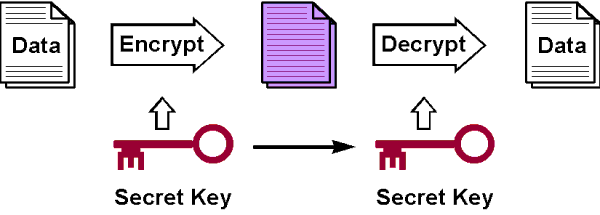
    When working with sensitive research data, it’s essential to establish clear protocols for communication. This includes using encrypted email services, secure file-sharing platforms, and password-protected digital storage solutions. By taking these precautions, you can significantly reduce the risk of data breaches or unauthorized disclosure.

    Another important aspect of secure communication is being mindful of your language and tone. Avoid using overly casual language or making assumptions about your colleagues’ familiarity with sensitive information. Instead, use clear and concise language that conveys the importance of confidentiality, and ask questions to clarify any doubts.

    I have seen firsthand how a single misstep in communication can have devastating consequences. A recent project involved sharing sensitive research data with a partner institution, but an email was sent using an unsecured account, allowing unauthorized individuals to access the information. The incident highlighted the need for rigorous secure communication protocols and served as a wake-up call for researchers everywhere.

    Fortunately, there are many resources available to help researchers develop and maintain strong secure communication practices. Many academic institutions offer training programs and workshops on data security and confidentiality, while online resources like the National Institute of Standards and Technology (NIST) provide comprehensive guidelines and best practices.

    By prioritizing secure communication and taking proactive steps to protect sensitive research data, you can ensure that your work is not only rigorous and impactful but also responsible and trustworthy. In today’s fast-paced academic environment, this is more important than ever.

  • The Role of Training in Cybersecurity: Empowering Researchers to Stay Vigilant

    The Role of Training in Cybersecurity: Empowering Researchers to Stay Vigilant

    As a cybersecurity researcher, staying up-to-date with the latest threats and technologies is crucial for success. However, the rapidly evolving nature of cyber threats can make it challenging to keep pace. This is where training comes into play – a vital component in empowering researchers to stay vigilant and ahead of the curve.

    Effective training provides researchers with the knowledge, skills, and tools necessary to identify and mitigate emerging threats. By investing in ongoing education and professional development, organizations can foster a culture of cybersecurity awareness that permeates every aspect of their operations.

    Research has shown that well-trained cybersecurity professionals are better equipped to detect and respond to complex cyber attacks. They possess a deeper understanding of the tactics, techniques, and procedures (TTPs) employed by attackers, enabling them to develop more effective incident response strategies.

    Furthermore, training enables researchers to stay current with the latest technologies and innovations in the field. By participating in workshops, conferences, and online courses, they can expand their skill set and learn from industry experts. This not only enhances their technical capabilities but also helps them to network with peers and establish valuable connections within the cybersecurity community.

    However, training is only effective if it is relevant, engaging, and sustainable. Organizations must prioritize training initiatives that address the most pressing security concerns and align with business objectives. Interactive learning experiences, such as hands-on labs and scenario-based training, can help to increase engagement and retention rates.

    Ultimately, investing in training is essential for empowering researchers to stay vigilant in the face of an ever-evolving cyber threat landscape. By providing ongoing education and professional development opportunities, organizations can cultivate a culture of cybersecurity awareness that drives success and protects against potential breaches.

  • Navigating Subjective Traps: The Role of Cybersecurity in Research Integrity

    Navigating Subjective Traps: The Role of Cybersecurity in Research Integrity

    As researchers, we’re constantly on the lookout for innovative methods to advance our fields and push boundaries. However, this pursuit of progress can sometimes lead us down a path where we’re more focused on individual achievements than on maintaining the highest standards of integrity.

    One area that’s often overlooked in the quest for research excellence is cybersecurity. While it’s easy to dismiss cybersecurity as a secondary concern, I’d argue that it plays a critical role in ensuring the integrity of our work. When we fail to prioritize cybersecurity, we risk compromising not just our data, but also the trust and credibility of our institutions.

    Take, for instance, a recent study that found millions of research papers vulnerable to hacking. The consequences were severe: sensitive information was exposed, intellectual property was compromised, and the entire field of research was put at risk. Such incidents highlight the need for researchers to take cybersecurity seriously and implement robust measures to protect their work.

    Of course, it’s easy to get caught up in the day-to-day demands of research and overlook this critical aspect of our work. But I’d caution against taking a “wait-and-see” approach. The reality is that cyber threats are becoming increasingly sophisticated, and if we don’t adapt, we risk falling victim to these attacks.

    So what can researchers do to navigate the subjective traps of cybersecurity? Firstly, it’s essential to recognize that cybersecurity is not just about technology; it’s also about culture and mindset. We need to foster an environment where researchers feel empowered to speak up when they suspect a security breach or unethical behavior.

    Secondly, we need to invest in robust cybersecurity protocols and training programs. This includes keeping our research software and tools up-to-date, conducting regular security audits, and providing ongoing education and awareness about cyber threats.

    Finally, we must also acknowledge that cybersecurity is not a one-time fix; it’s an ongoing process that requires constant vigilance and attention. By prioritizing cybersecurity, we can ensure that our research remains robust, reliable, and free from the scourge of data breaches and intellectual property theft.

    Ultimately, as researchers, we have a responsibility to uphold the highest standards of integrity in our work. Cybersecurity is not just a nicety; it’s a necessity. By taking proactive steps to protect our research, we can maintain the trust and credibility of our institutions, advance our fields, and make meaningful contributions to society.