Tag: education

  • Beware the Donaldson-Conestee Institute of Technology: A Likely Fabricated Entity Targeting Small Businesses

    Beware the Donaldson-Conestee Institute of Technology: A Likely Fabricated Entity Targeting Small Businesses

    Scams come in all shapes and sizes

    In recent weeks, small applied technology labs and contractors—particularly those in niches like database design, IT modernization, and call center systems, have reported receiving unsolicited outreach from an entity calling itself the Donaldson-Conestee Institute of Technology (often abbreviated as DC Institute or DCIT). The pitch typically involves opportunities for “small business set-aside” contracts, requests for company details, and a push to sign a mutual Non-Disclosure Agreement (NDA) as a prerequisite for further discussion. While the materials appear professional (complete with signed PDFs, logos, and detailed claims), a deeper investigation reveals this organization bears all the hallmarks of a fraudulent operation.

    The Self-Proclaimed History and Scale

    According to their website (dc.institute) and associated social media:

    • The institute claims to have been founded in 1943 during World War II, emerging from support operations at the former Donaldson Air Force Base near Lake Conestee in Greenville, South Carolina.
    • It describes itself as a major player in science, technology, engineering, and medicine, with over 8,000 employees, multiple campuses across the U.S. (including Bozeman, Montana), and global operations.
    • They boast diverse departments, including Weapons and Defense Technology (WAD-TECH), Biological Engineering and Research (DCBEAR), Aerospace Services, Robotics (via ARTI), Cybersecurity, Construction, and Information Technology.
    • Highlighted “achievements” include multi-million-dollar DoD contracts, such as a $10.5 million Navy SPAWAR award for computer storage and other purported federal grants.

    The site features polished pages on commercial offerings, careers (inviting resumes to humanresources@dc.institute), and vague calls for small business partnerships.

    Does this look like a company that does business with the Federal Government?

    Key Red Flags Indicating Illegitimacy

    Despite these grandiose claims, exhaustive searches across public records, government databases, and professional networks yield no independent verification:

    1. No Federal Registration or Contract History:
      • Not registered in SAM.gov (System for Award Management), the mandatory database for any entity receiving federal payments or bidding on government contracts.
      • No records on USAspending.gov for claimed awards (e.g., the $10.5M Navy contract).
      • Real defense/research institutes (e.g., MITRE, Johns Hopkins APL, or Draper Lab) have extensive, verifiable federal footprints—this one has none.
    2. Recent and Hidden Digital Footprint:
      • Domain dc.institute registered in May 2021—directly contradicting an 80+ year history.
      • WHOIS protected to obscure ownership; hosted via GoDaddy.
      • Online presence limited to their own site, a Facebook page (with ~3,000 likes but low engagement), a YouTube channel, and self-published “news” posts.
    3. Sparse and Suspicious Professional Presence:
      • On LinkedIn, searches for the exact name yield minimal results. The primary profile is for “Andrew Wooten” (listed as Program Manager, Clemson University education, Greenville location, only ~4 connections). Other occasional mentions (e.g., a “Hailey Rodgers” as Purchasing Agent) are thin, with low activity and no robust company page or employee network.
      • No credible alumni, partner, or employee endorsements; profiles often lack detailed experience or appear generic.
    4. Unorthodox “Verification” Requests:
      • Outreach emphasizes confirmation via the “US Small Business Chamber of Commerce” (ussbchamber.org)—a private, paid-membership site ($299–$899 fees) with no official affiliation to the U.S. Small Business Administration (SBA).
      • Legitimate set-asides require SAM.gov verification only; directing victims here is a common tactic to harvest data or push paid “certifications.”
    5. Tactics Matching Known Scams:
      • Unsolicited RFPs/NDAs to small businesses, promising set-asides or vendor listing.
      • Professional-looking documents (like the provided NDA dated December 15, 2025, signed by “Andrew Wooten”) to build trust.
      • No public complaints found yet (possibly due to recency), but the pattern aligns with advance-fee fraud, data phishing, or fake procurement schemes targeting contractors.

    What This Means for Small Businesses and Contractors

    This appears to be a sophisticated phishing or fraud scheme designed to:

    • Collect sensitive company information (capabilities, certifications, contacts).
    • Potentially lead to requests for fees (e.g., for “chamber” membership or bidding).
    • Exploit trust in “government-adjacent” opportunities, especially for SDVO, woman-owned, or other set-aside businesses.

    If you’ve received similar outreach:

    • Do not sign the NDA or share details.
    • Verify any opportunity through official channels (SAM.gov opportunities, direct agency postings).
    • Report to your email provider, the FTC (ftc.gov/complaint), or IC3.gov if suspicious.

    Legitimate opportunities abound through verified portals—focus there for real growth. The absence of any substantive LinkedIn ecosystem (no company page, minimal employee profiles, zero third-party mentions) is particularly telling for an alleged 8,000-person institute. In the professional world, real organizations live on LinkedIn; this one does not.

    Stay vigilant—innovation thrives on real partnerships, not fabricated ones. If you’re pursuing database or IT contracts, I’d be glad to help identify verified avenues!

  • Embracing National Preparedness Month: Preparedness Starts at Home This September

    Embracing National Preparedness Month: Preparedness Starts at Home This September

    Embracing National Preparedness Month: Preparedness Starts at Home This September

    September marks National Preparedness Month (NPM), an annual observance sponsored by the Federal Emergency Management Agency (FEMA) to encourage individuals, families, and communities to prioritize disaster readiness. With the 2025 theme “Preparedness Starts at Home,” this initiative emphasizes returning to the fundamentals of emergency planning, reminding us that proactive steps can save lives, reduce stress, and protect property during crises. As natural disasters like hurricanes, wildfires, floods, and earthquakes become more frequent due to climate change, and man-made emergencies such as power outages or pandemics persist, now is the ideal time to assess and enhance your preparedness.

    Why is disaster preparedness so crucial? Emergencies can strike without warning, disrupting daily life and straining resources. According to FEMA, being prepared not only minimizes risks but also empowers communities to recover faster. For those over 50, or families with young children, pets, or members with disabilities, tailored planning is essential to address unique vulnerabilities. Start by knowing your local risks—use tools like Ready.gov to identify potential hazards in your area, whether it’s coastal flooding or severe winter storms.

    A cornerstone of preparedness is creating a family emergency plan. Gather your household to discuss key elements: how to receive alerts (via apps, radio, or text services), shelter options (in-place or evacuation), and communication strategies if separated. Include evacuation routes, meeting points, and contacts for out-of-town relatives. Consider special needs, such as medical equipment for those with disabilities, dietary requirements, or pet accommodations. Download FEMA’s fillable Family Emergency Communication Plan form to document details, and practice it regularly—drills ensure everyone knows their role. This step fosters peace of mind and can be done at low or no cost.

    Next, build an emergency kit stocked for at least 72 hours of self-sufficiency. Essentials include one gallon of water per person per day, non-perishable food like canned goods or energy bars, and a first aid kit with bandages, antiseptics, and medications (both prescription and over-the-counter). Don’t forget tools like a battery-powered radio, flashlight, extra batteries, whistle, dust masks, plastic sheeting, duct tape, wrench or pliers, manual can opener, local maps, and cell phone chargers with backups. Add personal items: hygiene supplies (soap, sanitizer, moist towelettes), cash, important documents in a waterproof container, sleeping bags, extra clothing, fire extinguisher, matches, feminine products, mess kits, and activities for children. For pets, include food, water, and leashes. Customize for your climate and family—infant formula for babies or eyeglasses for those who need them.

    Staying informed is key; sign up for local alerts and follow reliable sources like the National Weather Service. Get involved in your community by joining a Community Emergency Response Team (CERT) for training in first aid, search and rescue, and fire safety. Organizations like the American Red Cross offer additional resources on preparing for specific disasters, from home fires to earthquakes, emphasizing education and volunteerism.

    This September, commit to action. Review your plan, refresh your kit, and share tips with neighbors—preparedness is a collective effort. By starting at home, you’re building resilience for whatever comes next.

    (Word count: 512)

    For more information:

  • Continuing Education for Researchers: Staying Up-to-Date in a Rapidly Changing Field

    Continuing Education for Researchers: Staying Up-to-Date in a Rapidly Changing Field

    In the dynamic world of research, staying current is not just a professional advantage but a necessity. As new information, technologies, and methodologies emerge seemingly by the day, researchers must actively seek out continuing education to remain relevant and effective in their work. This commitment to lifelong learning ensures that researchers can contribute meaningful insights to their fields and keep pace with the fast-evolving landscape.

    Let’s dive into the importance of continuous education for researchers. It’s a journey—not a one-time event—but an ongoing pursuit that enriches both individual careers and the collective body of knowledge. So, why does this perpetual learning matter, and how can researchers incorporate it into their bustling schedules?

    First off, the research landscape is anything but static. Scientific breakthroughs, technological advancements, and societal changes happen at an unprecedented rate. Take, for instance, the rise of big data and artificial intelligence—these have fundamentally altered how research is conducted and interpreted. Without continuous education, researchers risk becoming outdated, their findings irrelevant.

    Now, imagine being a pioneer in your field but armed with yesterday’s tools and knowledge. It’s akin to a mariner lost at sea without a compass. The path ahead is foggy, uncertain. But with the latest training and insights, you’re equipped with the modern instruments that guide you safely through uncharted waters.

    Moreover, continuing education is not just about keeping up with trends but about fostering innovation. By exposing oneself to new ideas, methodologies, and technologies, researchers are inspired to think outside the box, challenge conventional wisdom, and dream up groundbreaking research projects. This creative impetus often leads to discoveries that were unimaginable without such exposure.

    So, how can researchers fit this vital education into their already packed schedules? Here are some practical strategies:

    1. Online Courses and Webinars: Platforms like Coursera, edX, and LinkedIn Learning offer a treasure trove of courses from top universities and professionals in various fields. These allow for self-paced learning, fitting seamlessly into a researcher’s schedule.
    2. Workshops and Conferences: Attending conferences and workshops can be a goldmine of information. They provide the opportunity to network with peers and learn directly from leaders in the field. Look for ones that offer a mix of presentations and interactive sessions.
    3. Mentorship Programs: Pairing up with seasoned researchers or professionals as mentors can be incredibly enriching. Mentors can provide insider knowledge, guidance, and insights into the latest research trends.
    4. Reading Journals and Books: Keeping abreast of current literature is essential. Subscribe to relevant journals, and make it a habit to read widely, even in peripheral areas related to your research.
    5. Professional Development Grants: Many institutions and funding bodies offer grants for researchers to pursue further education or attend conferences and workshops.

    In conclusion, continuing education is the lifeblood of the researcher’s profession. It keeps the mind sharp, fosters innovation, and ensures that research remains at the cutting edge. The commitment to lifelong learning is what distinguishes a seasoned scholar from an out-of-touch practitioner. So whether it’s through online courses, mentorship, workshops, or simply dedicating time to read the latest literature, it’s imperative for researchers to make continuous education a priority.

    By doing so, researchers not only enhance their own knowledge and skills but also contribute to the broader intellectual discourse, driving progress in their respective domains. Remember, as researchers, we’re not just collecting data; we’re building the future. And staying educated ensures that future is illuminated with the brightest, most current understanding possible. Until next time, keep learning!

  • Emergency Preparedness in the Lab: Developing Response Plans and Procedures

    Emergency Preparedness in the Lab: Developing Response Plans and Procedures

    In today’s fast-paced world, where unforeseen incidents can strike with alarming suddenness, laboratories need to be fortified against emergencies. The repercussions of an accident in a research facility can extend beyond the immediate site, impacting public safety and scientific progress. It is paramount for lab personnel to cultivate robust emergency preparedness strategies, establishing clear response plans and procedures that ensure the safety of everyone involved.

    I’ve compiled essential insights to guide you through the process of constructing a comprehensive emergency response plan tailored for your lab. This isn’t just about adhering to regulations—it’s about safeguarding the lives and integrity of your research.

    First off, let’s discuss the cornerstone of any effective plan: Risk Assessment. Identify potential hazards unique to your lab—be it chemical spills, biological threats, or equipment malfunctions. Consider factors such as your lab’s specific type of research and the substances you handle. Document these risks meticulously. By understanding what could go wrong, you position yourself to prevent or mitigate these scenarios effectively.

    Once the dangers are mapped out, prioritize them based on the severity of potential consequences and the likelihood of occurrence. This hierarchy will guide your planning efforts, dictating how much attention each risk warrants in your response plan.

    With risks clearly defined, it’s time to draft the actual response plans. Start with a clear structure:

    1. Alert System: Establish a reliable method to notify all lab personnel immediately when an emergency occurs. This could be a siren, an automated text message, or both. Simplicity is key—everyone should know how to react swiftly without hesitation.

    2. Roles and Responsibilities: Delegate specific tasks to different team members. This could mean one person responsible for evacuating non-essential personnel, another overseeing the shutdown of experiments, and a third coordinating with emergency services. Clarity about these roles minimizes confusion during a crisis.

    3. Communication Protocols: Designate primary and backup channels for internal and external communication. Ensure that everyone knows how to reach key individuals quickly—be it through direct calls, email, or secure messaging platforms.

    4. Evacuation Procedures: Have well-practiced evacuation routes and assembly points. Regular drills will not only ensure everyone knows these procedures but also help maintain calm under pressure.

    5. Containment Measures: Detail steps to contain the incident if it’s a chemical spill or similar scenario. This might include using safety showers, eye wash stations, or other containment equipment.

    6. Post-incident Procedures: After the immediate danger has been neutralized, you’ll need plans for damage assessment, decontamination, and ensuring the lab is safe for subsequent use. This phase is crucial for preventing secondary incidents.

    In addition to these detailed plans, keep a set of emergency supplies readily accessible. This kit should include personal protective equipment (PPE), first aid materials, fire extinguishers, and any other tools necessary to address common emergencies your lab might face.

    Moreover, don’t forget about training. Regular refresher courses reinforce readiness and can make the difference between effective action and panic during an actual emergency.

    Remember, an emergency response plan isn’t static—it needs to be reviewed and updated regularly. New hazards may arise, or existing ones could become more pronounced due to changes in research methods or materials. Keeping your plan current ensures that it remains a powerful tool for safeguarding your lab and its community.

    By following these steps and committing to continuous refinement, you’ll create an emergency response framework that stands as a vigilant sentinel against the threats to safety in your lab.

  • The Power of Daily Planning: How to Use the Franklin Planner Effectively

    The Power of Daily Planning: How to Use the Franklin Planner Effectively

    As Robert, I’ve had the privilege of working with numerous individuals who’ve struggled to manage their time effectively. Many have turned to various planners and tools in search of a solution, but few have found lasting success. That’s why I’m excited to share with you my expertise on how to use the Franklin Planner to revolutionize your daily planning.

    The Franklin Planner is more than just a tool – it’s a system designed to help you prioritize tasks, manage time, and increase productivity. Developed by Stephen Covey and the team at FranklinCovey, this planner has been helping individuals achieve their goals for decades. However, its full potential can only be unlocked when used correctly.

    So, what sets the Franklin Planner apart from other planners? For starters, it’s a comprehensive system that encourages you to break down large tasks into smaller, manageable chunks. This approach allows you to focus on the essentials and tackle high-priority tasks first. The planner also features a unique time-blocking system, which helps you allocate specific times for each task, minimizing distractions and maximizing efficiency.

    One of the most significant benefits of using the Franklin Planner is its emphasis on prioritization. By identifying your top priorities and tackling them first, you’ll be amazed at how much more you can accomplish in a day. The planner’s priority matrix system allows you to categorize tasks based on their urgency and importance, ensuring that you’re always working on what matters most.

    Another key aspect of the Franklin Planner is its focus on goal-setting. By setting clear, specific goals for each day, week, or month, you’ll be able to stay motivated and focused. The planner provides a space for you to write down your long-term goals and break them down into smaller, actionable steps. This approach helps you build momentum and create a sense of accomplishment.

    To get the most out of the Franklin Planner, it’s essential to establish a consistent routine. Set aside a few minutes each morning to review your schedule, prioritize tasks, and make any necessary adjustments. The planner’s daily pages provide a clear layout for planning your day, with space for notes, appointments, and reminders.

    In addition to the physical planner itself, FranklinCovey offers a range of digital tools and resources to help you stay organized. From mobile apps to online planners, their suite of tools can be tailored to meet your unique needs and preferences.

    While some may find it daunting to switch from a traditional planner or digital tool, I encourage you to give the Franklin Planner a try. With its comprehensive approach to daily planning, emphasis on prioritization, and focus on goal-setting, it’s an ideal choice for anyone looking to revolutionize their productivity. By implementing this system into your daily routine, you’ll be amazed at how much more you can accomplish in less time.

    As with any new tool or system, it’s essential to be patient and flexible. It may take some time to adjust to the Franklin Planner’s unique layout and approach, but trust me when I say that the benefits far outweigh the initial learning curve. By using this planner effectively, you’ll not only become more productive but also develop greater confidence in your ability to manage time and achieve your goals.

    So why wait? Take control of your daily planning today by incorporating the Franklin Planner into your routine. With its proven track record and comprehensive approach, I’m confident that it will help you achieve success like never before.

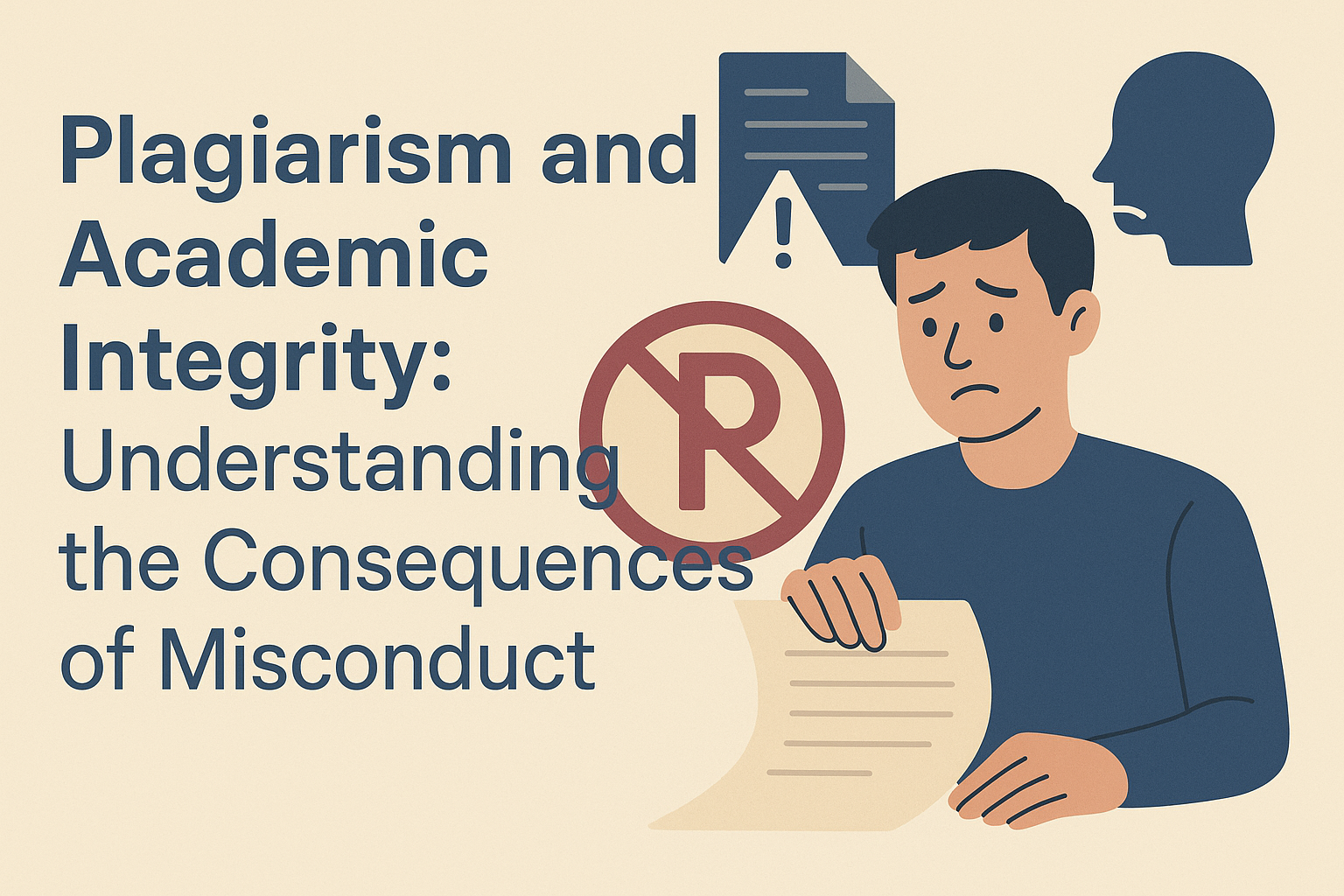
  • Plagiarism and Academic Integrity: Understanding the Consequences of Misconduct

    Plagiarism and Academic Integrity: Understanding the Consequences of Misconduct

    While I was a substitute teacher in K-12, I’ve seen firsthand the devastating effects that plagiarism and academic dishonesty can have on students’ reputations and future opportunities. As we strive to create a culture of integrity within our institutions, it’s essential to understand not only what constitutes plagiarism but also the severe consequences that follow when such misconduct is discovered.

    At its core, plagiarism is the act of passing off someone else’s work as one’s own without proper attribution. This can take many forms, from copying and pasting text from online sources to paraphrasing a colleague’s ideas without credit. In today’s digital age, where information is readily available at our fingertips, it’s become increasingly easy to commit plagiarism unintentionally. However, ignorance of the rules is no excuse for violating them.

    The consequences of plagiarism can be severe, ranging from failing grades and academic probation to expulsion and even lawsuits in extreme cases. But beyond these punitive measures lies a more profound impact: damage to one’s credibility and character. A reputation built on dishonesty can be difficult to repair, and the stain of plagiarism can follow students long after they’ve graduated.

    Academic integrity is not just about avoiding plagiarism; it’s also about upholding the values of honesty, fairness, and respect for others’ intellectual property. It requires a commitment to doing one’s own work, seeking help when needed, and acknowledging the contributions of others. By embracing this culture of integrity, students can build trust with their peers and instructors, foster meaningful relationships, and develop essential skills that will serve them well throughout their academic and professional careers.

    So what can we do to prevent plagiarism and promote academic integrity? First and foremost, educators must model these behaviors ourselves, making it clear through our policies, practices, and actions that we value honesty and original thought. We should also provide students with the tools and resources they need to succeed, including workshops on proper citation and research techniques.

    Furthermore, institutions can implement robust detection systems to identify instances of plagiarism, but these measures alone are insufficient. We must also create an environment where students feel comfortable asking questions, seeking help when needed, and reporting concerns about academic dishonesty without fear of reprisal or judgment.

    Ultimately, preventing plagiarism requires a multifaceted approach that involves educators, administrators, and students working together to promote a culture of integrity. By doing so, we can foster a community built on trust, respect, and intellectual curiosity – one where students feel empowered to take ownership of their work and proud to produce original ideas.

  • Time Management for Students: Strategies for Academic Success

    Time Management for Students: Strategies for Academic Success

    Hey there, aspiring scholars! Here are some gold nuggets to help you conquer the mountainous pile of assignments and exams looming over your heads. Let’s dive into strategies that will revolutionize how you approach your academic workload.

    First off, let’s address the elephant in the room: Procrastination. We’ve all been there, staring at a blank screen while Instagram calls our name. The secret? Start with the hardest task first thing in the morning. You’ll tackle it when your brain is fresh and before it starts to feel like wading through molasses. Plus, crossing it off the list will give you that satisfying rush that makes everything else seem a breeze.

    Next, set yourself up for success by creating a study schedule. This isn’t about chaining yourself to a desk from dawn till dusk; it’s about setting aside specific times each day when you’ll focus on your studies. Think of it as carving out mental real estate. Your brain will get used to the rhythm and make studying almost second nature.

    Now, let’s talk about creating a productive workspace. Keep it tidy and free from distractions—no piles of dirty laundry or buzzing phones. A clean environment can help keep your mind focused. Also, consider lighting. Natural light is ideal, but if you’re working at night, soft, warm lighting can help prevent eye strain.

    Another gem: Use a planner or digital calendar to jot down deadlines and important tasks. This way, you won’t find yourself scrambling at the eleventh hour. Allocate time for each task and stick to your schedule. It’s like laying out a roadmap to your academic achievements. And don’t forget to color code! It adds a dash of fun to organization.

    Breaks are crucial too. Think of your brain like a high-performance car; it needs time to cool down and recharge after driving hard. Take short breaks between study sessions, use techniques like the Pomodoro Technique (25 minutes of work followed by a 5-minute break), and you’ll find that your productivity soars.

    Moreover, harness the power of technology—there are apps galore designed to help manage time wisely. Whether it’s for blocking distracting websites or reminding you to take breaks, these tools can be your best allies.

    As you incorporate these strategies into your academic life, remember to be flexible. Things happen. Plans change. What’s important is that you adapt and keep moving forward. Being resilient in the face of unexpected challenges will serve you well beyond the classroom.

    Finally, don’t forget to prioritize self-care. Getting enough sleep, eating well, and staying active are not luxuries; they’re necessities for a sharp mind and a stress-free life. You can’t pour from an empty cup, so fill yours with nutritious treats and quality rest.

    In summing up, mastering time management is about taking control of your academic journey, setting realistic goals, and making every moment count. By embracing these strategies, you’ll find yourself soaring towards the top of your class, ready to tackle any challenge that comes your way. Good luck, student warriors! Now go conquer those assignments.

  • Unveiling Hidden Biases in Research Methods

    Unveiling Hidden Biases in Research Methods

    As researchers, we strive for objectivity and accuracy in our findings. However, it’s becoming increasingly evident that hidden biases can creep into even the most well-intentioned studies. In this article, I’ll discuss how these biases can affect research methods and provide guidance on identifying and mitigating them.

    Biases in research are often unconscious, stemming from our own cultural, social, or personal backgrounds. They can manifest in various ways, such as sampling frames that exclude specific demographics, data analysis techniques that favor certain variables, or even language used in questionnaires that might inadvertently skew responses. These biases can lead to distorted conclusions and undermine the credibility of our research.

    One common source of bias is the sampling frame itself. If the sample doesn’t reflect the population being studied, it’s impossible to generalize findings with confidence. For instance, if a study on customer satisfaction only includes data from urban areas, the results may not be representative of rural customers. To avoid this, researchers should strive for diverse sampling frames that capture the full range of their target population.

    Another area where biases can arise is in data analysis. Certain techniques, such as correlation vs. causation or the over-reliance on statistical significance, can create an inaccurate picture of relationships between variables. Furthermore, some analyses might inadvertently amplify existing biases by focusing on the wrong variables or using flawed methods. To address this, researchers should be aware of these pitfalls and use alternative approaches that account for bias.

    Language in questionnaires is another frequently overlooked area where biases can occur. Words and phrases can have different meanings to different groups, and what’s neutral to one person might be perceived as negative by another. For example, using the term “minority” to describe underrepresented groups can come across as derogatory if not phrased carefully.

    So, how can researchers identify and mitigate hidden biases in their methods? The first step is recognizing that biases exist. This involves acknowledging the potential for our own preconceptions to influence our research design and methods. By being aware of these biases, we can take steps to address them before they affect our findings.

    One approach is to use bias-reducing techniques such as pilot testing with diverse groups or using multiple data sources. Another strategy is to involve team members from underrepresented backgrounds in the research process, bringing different perspectives and insights to the table. Finally, being transparent about methods and potential biases can help maintain the trust of participants and readers.

    In conclusion, hidden biases in research methods are a serious concern that can undermine the validity and credibility of our findings. By understanding how biases arise and taking steps to address them, researchers can increase the accuracy and reliability of their work. As we strive for excellence in our field, it’s essential that we acknowledge these limitations and work towards creating more inclusive and equitable research practices.

  • Data Through a Clear Lens: Avoiding Subjective Traps

    Data Through a Clear Lens: Avoiding Subjective Traps

    In today’s world, data is king. It rules supreme in boardrooms, research labs, and even our everyday decisions. But the power of data comes with a caveat—it must be objective to be truly beneficial. Subjectivity can creep into data analysis like a silent thief, distorting results and leading us down the wrong path. As we navigate through the vast ocean of information, it’s crucial to equip ourselves with the tools to recognize and avoid these subjective traps.

    Data is king

    Imagine you’re a researcher trying to understand consumer behavior. You collect mountains of data through surveys, social media interactions, and purchase histories. But as you analyze this trove of information, your personal biases might influence which data points you focus on or how you interpret them. If you have a preconceived notion about a particular demographic, for instance, you might unconsciously assign more importance to data that aligns with those beliefs. This can lead to skewed findings and ineffective strategies.

    Similarly, in business decision-making, subjectivity can rear its head. Let’s say you’re evaluating two potential marketing campaigns. Both have solid data points to support their effectiveness, but one aligns more closely with your preferred brand image. You might unconsciously give that campaign more weight, neglecting the objective merits of the other. This preference can cloud your judgment and lead to investments that don’t deliver optimal results.

    Even in our personal lives, subjectivity in data interpretation can mislead us. Consider health-related information. A study might conclude that a certain food item is linked to better heart health. However, if you have a strong opinion about the food’s benefits or harms, you might selectively interpret the data to confirm your viewpoint. This could result in making uninformed dietary choices and potentially impacting your well-being.

    To avoid these traps, start by acknowledging your biases. Everyone has them—after all, they’re a natural part of being human. By recognizing these inherent tendencies, you can take steps to mitigate their impact on your analysis. One powerful tool is diversity in your team. Having people with different perspectives and backgrounds can counteract personal biases because they bring a wider array of viewpoints to the table.

    Another strategy is to use data visualization techniques. When data is presented in graphs, charts, and tables, it becomes easier to spot patterns and outliers that might be missed in raw numbers. These visual representations help reduce the influence of subjective interpretation and keep the focus on the data itself.

    Furthermore, statistical methods are designed to minimize bias. Techniques such as controlled experiments, stratified sampling, and regression analysis help ensure that the conclusions drawn from data are robust and not influenced by extraneous factors. Understanding and applying these methods can be a strong defense against subjectivity.

    Education is also a key factor. The more you know about data analysis and statistics, the better equipped you’ll be to critically evaluate information and separate fact from opinion. Courses, workshops, and online resources are excellent for honing these skills.

    In conclusion, while data holds immense power to inform and guide our decisions, we must remain vigilant against the seductive allure of subjectivity. By acknowledging our biases, leveraging diverse perspectives, employing visual aids, utilizing statistical methods, and committing to lifelong learning, we can ensure that our interpretations of data are clear, objective, and actionable. Remember, it’s not about eradicating bias entirely—no one can—but rather about minimizing its impact on our analysis to make the best possible decisions. With data viewed through a clear lens, we unlock its true potential to drive progress and innovation.