Tag: emergency

  • Embracing National Preparedness Month: Preparedness Starts at Home This September

    Embracing National Preparedness Month: Preparedness Starts at Home This September

    Embracing National Preparedness Month: Preparedness Starts at Home This September

    September marks National Preparedness Month (NPM), an annual observance sponsored by the Federal Emergency Management Agency (FEMA) to encourage individuals, families, and communities to prioritize disaster readiness. With the 2025 theme “Preparedness Starts at Home,” this initiative emphasizes returning to the fundamentals of emergency planning, reminding us that proactive steps can save lives, reduce stress, and protect property during crises. As natural disasters like hurricanes, wildfires, floods, and earthquakes become more frequent due to climate change, and man-made emergencies such as power outages or pandemics persist, now is the ideal time to assess and enhance your preparedness.

    Why is disaster preparedness so crucial? Emergencies can strike without warning, disrupting daily life and straining resources. According to FEMA, being prepared not only minimizes risks but also empowers communities to recover faster. For those over 50, or families with young children, pets, or members with disabilities, tailored planning is essential to address unique vulnerabilities. Start by knowing your local risks—use tools like Ready.gov to identify potential hazards in your area, whether it’s coastal flooding or severe winter storms.

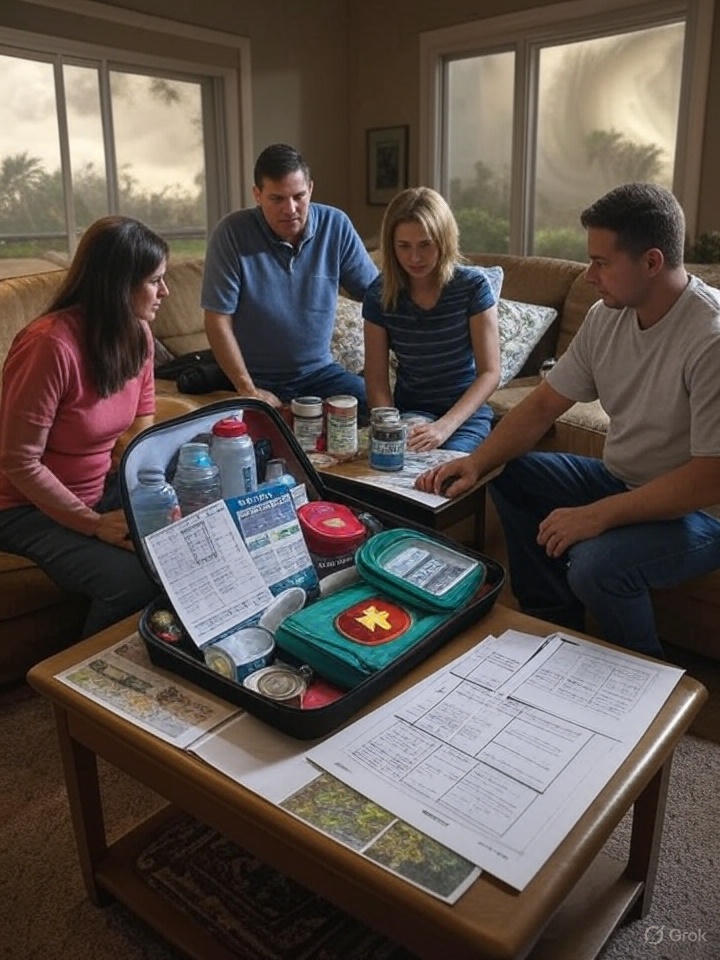
    A cornerstone of preparedness is creating a family emergency plan. Gather your household to discuss key elements: how to receive alerts (via apps, radio, or text services), shelter options (in-place or evacuation), and communication strategies if separated. Include evacuation routes, meeting points, and contacts for out-of-town relatives. Consider special needs, such as medical equipment for those with disabilities, dietary requirements, or pet accommodations. Download FEMA’s fillable Family Emergency Communication Plan form to document details, and practice it regularly—drills ensure everyone knows their role. This step fosters peace of mind and can be done at low or no cost.

    Next, build an emergency kit stocked for at least 72 hours of self-sufficiency. Essentials include one gallon of water per person per day, non-perishable food like canned goods or energy bars, and a first aid kit with bandages, antiseptics, and medications (both prescription and over-the-counter). Don’t forget tools like a battery-powered radio, flashlight, extra batteries, whistle, dust masks, plastic sheeting, duct tape, wrench or pliers, manual can opener, local maps, and cell phone chargers with backups. Add personal items: hygiene supplies (soap, sanitizer, moist towelettes), cash, important documents in a waterproof container, sleeping bags, extra clothing, fire extinguisher, matches, feminine products, mess kits, and activities for children. For pets, include food, water, and leashes. Customize for your climate and family—infant formula for babies or eyeglasses for those who need them.

    Staying informed is key; sign up for local alerts and follow reliable sources like the National Weather Service. Get involved in your community by joining a Community Emergency Response Team (CERT) for training in first aid, search and rescue, and fire safety. Organizations like the American Red Cross offer additional resources on preparing for specific disasters, from home fires to earthquakes, emphasizing education and volunteerism.

    This September, commit to action. Review your plan, refresh your kit, and share tips with neighbors—preparedness is a collective effort. By starting at home, you’re building resilience for whatever comes next.

    (Word count: 512)

    For more information:

  • Emergency Preparedness in the Lab: Developing Response Plans and Procedures

    Emergency Preparedness in the Lab: Developing Response Plans and Procedures

    In today’s fast-paced world, where unforeseen incidents can strike with alarming suddenness, laboratories need to be fortified against emergencies. The repercussions of an accident in a research facility can extend beyond the immediate site, impacting public safety and scientific progress. It is paramount for lab personnel to cultivate robust emergency preparedness strategies, establishing clear response plans and procedures that ensure the safety of everyone involved.

    I’ve compiled essential insights to guide you through the process of constructing a comprehensive emergency response plan tailored for your lab. This isn’t just about adhering to regulations—it’s about safeguarding the lives and integrity of your research.

    First off, let’s discuss the cornerstone of any effective plan: Risk Assessment. Identify potential hazards unique to your lab—be it chemical spills, biological threats, or equipment malfunctions. Consider factors such as your lab’s specific type of research and the substances you handle. Document these risks meticulously. By understanding what could go wrong, you position yourself to prevent or mitigate these scenarios effectively.

    Once the dangers are mapped out, prioritize them based on the severity of potential consequences and the likelihood of occurrence. This hierarchy will guide your planning efforts, dictating how much attention each risk warrants in your response plan.

    With risks clearly defined, it’s time to draft the actual response plans. Start with a clear structure:

    1. Alert System: Establish a reliable method to notify all lab personnel immediately when an emergency occurs. This could be a siren, an automated text message, or both. Simplicity is key—everyone should know how to react swiftly without hesitation.

    2. Roles and Responsibilities: Delegate specific tasks to different team members. This could mean one person responsible for evacuating non-essential personnel, another overseeing the shutdown of experiments, and a third coordinating with emergency services. Clarity about these roles minimizes confusion during a crisis.

    3. Communication Protocols: Designate primary and backup channels for internal and external communication. Ensure that everyone knows how to reach key individuals quickly—be it through direct calls, email, or secure messaging platforms.

    4. Evacuation Procedures: Have well-practiced evacuation routes and assembly points. Regular drills will not only ensure everyone knows these procedures but also help maintain calm under pressure.

    5. Containment Measures: Detail steps to contain the incident if it’s a chemical spill or similar scenario. This might include using safety showers, eye wash stations, or other containment equipment.

    6. Post-incident Procedures: After the immediate danger has been neutralized, you’ll need plans for damage assessment, decontamination, and ensuring the lab is safe for subsequent use. This phase is crucial for preventing secondary incidents.

    In addition to these detailed plans, keep a set of emergency supplies readily accessible. This kit should include personal protective equipment (PPE), first aid materials, fire extinguishers, and any other tools necessary to address common emergencies your lab might face.

    Moreover, don’t forget about training. Regular refresher courses reinforce readiness and can make the difference between effective action and panic during an actual emergency.

    Remember, an emergency response plan isn’t static—it needs to be reviewed and updated regularly. New hazards may arise, or existing ones could become more pronounced due to changes in research methods or materials. Keeping your plan current ensures that it remains a powerful tool for safeguarding your lab and its community.

    By following these steps and committing to continuous refinement, you’ll create an emergency response framework that stands as a vigilant sentinel against the threats to safety in your lab.