Tag: explore

  • Continuing Education for Researchers: Staying Up-to-Date in a Rapidly Changing Field

    Continuing Education for Researchers: Staying Up-to-Date in a Rapidly Changing Field

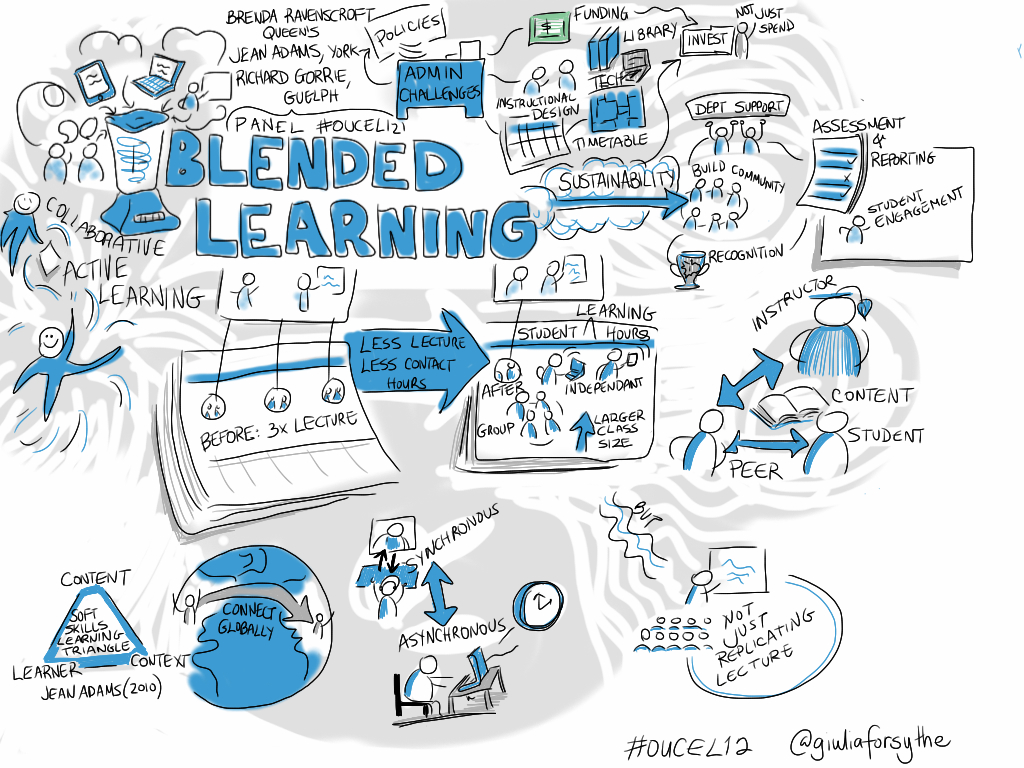
    In the dynamic world of research, staying current is not just a professional advantage but a necessity. As new information, technologies, and methodologies emerge seemingly by the day, researchers must actively seek out continuing education to remain relevant and effective in their work. This commitment to lifelong learning ensures that researchers can contribute meaningful insights to their fields and keep pace with the fast-evolving landscape.

    Let’s dive into the importance of continuous education for researchers. It’s a journey—not a one-time event—but an ongoing pursuit that enriches both individual careers and the collective body of knowledge. So, why does this perpetual learning matter, and how can researchers incorporate it into their bustling schedules?

    First off, the research landscape is anything but static. Scientific breakthroughs, technological advancements, and societal changes happen at an unprecedented rate. Take, for instance, the rise of big data and artificial intelligence—these have fundamentally altered how research is conducted and interpreted. Without continuous education, researchers risk becoming outdated, their findings irrelevant.

    Now, imagine being a pioneer in your field but armed with yesterday’s tools and knowledge. It’s akin to a mariner lost at sea without a compass. The path ahead is foggy, uncertain. But with the latest training and insights, you’re equipped with the modern instruments that guide you safely through uncharted waters.

    Moreover, continuing education is not just about keeping up with trends but about fostering innovation. By exposing oneself to new ideas, methodologies, and technologies, researchers are inspired to think outside the box, challenge conventional wisdom, and dream up groundbreaking research projects. This creative impetus often leads to discoveries that were unimaginable without such exposure.

    So, how can researchers fit this vital education into their already packed schedules? Here are some practical strategies:

    1. Online Courses and Webinars: Platforms like Coursera, edX, and LinkedIn Learning offer a treasure trove of courses from top universities and professionals in various fields. These allow for self-paced learning, fitting seamlessly into a researcher’s schedule.
    2. Workshops and Conferences: Attending conferences and workshops can be a goldmine of information. They provide the opportunity to network with peers and learn directly from leaders in the field. Look for ones that offer a mix of presentations and interactive sessions.
    3. Mentorship Programs: Pairing up with seasoned researchers or professionals as mentors can be incredibly enriching. Mentors can provide insider knowledge, guidance, and insights into the latest research trends.
    4. Reading Journals and Books: Keeping abreast of current literature is essential. Subscribe to relevant journals, and make it a habit to read widely, even in peripheral areas related to your research.
    5. Professional Development Grants: Many institutions and funding bodies offer grants for researchers to pursue further education or attend conferences and workshops.

    In conclusion, continuing education is the lifeblood of the researcher’s profession. It keeps the mind sharp, fosters innovation, and ensures that research remains at the cutting edge. The commitment to lifelong learning is what distinguishes a seasoned scholar from an out-of-touch practitioner. So whether it’s through online courses, mentorship, workshops, or simply dedicating time to read the latest literature, it’s imperative for researchers to make continuous education a priority.

    By doing so, researchers not only enhance their own knowledge and skills but also contribute to the broader intellectual discourse, driving progress in their respective domains. Remember, as researchers, we’re not just collecting data; we’re building the future. And staying educated ensures that future is illuminated with the brightest, most current understanding possible. Until next time, keep learning!
  • The Strength of Science in Acknowledging Uncertainty

    The Strength of Science in Acknowledging Uncertainty

    By Robert

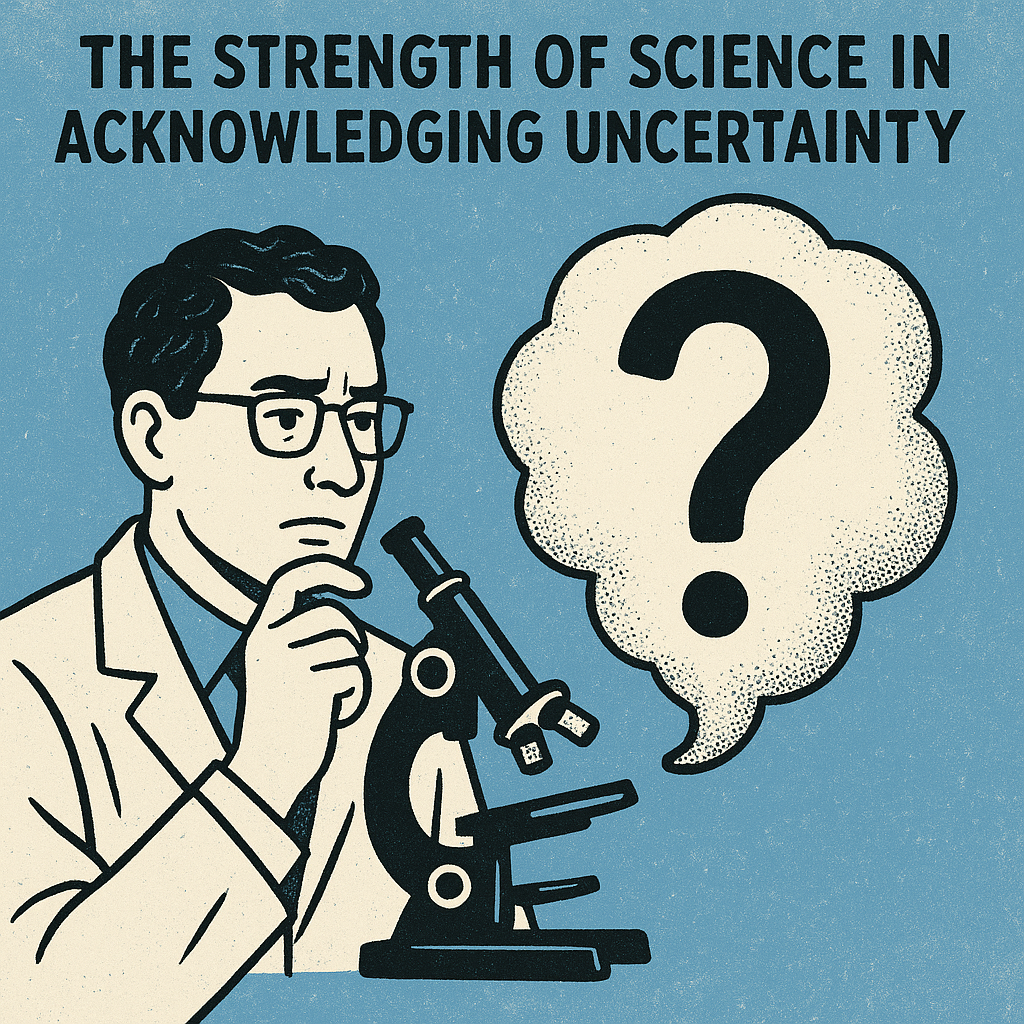
    Science has long been valued for its ability to provide clear answers and solutions to complex problems. However, one of the most critical aspects of scientific inquiry is acknowledging uncertainty. Recognizing that we don’t have all the answers and being willing to say so can be a powerful tool in advancing our understanding of the world.

    When scientists are forced to confront their own limitations and the uncertainty that surrounds them, they’re often motivated to dig deeper and explore new avenues of research. This willingness to engage with uncertainty has led to some of the most significant breakthroughs in history, from the discovery of subatomic particles to the mapping of the human genome.

    One major benefit of acknowledging uncertainty is that it encourages a more nuanced and informed approach to decision-making. When we’re faced with a problem or question, we should be willing to consider all the available evidence, even if it means saying “I don’t know” or “we don’t have enough data yet.” This kind of openness can help us avoid making hasty or misinformed decisions that might have negative consequences down the line.

    Moreover, acknowledging uncertainty can also foster a culture of collaboration and transparency. When scientists are willing to share their own limitations and uncertainties, it creates an environment where others feel more comfortable doing the same. This can lead to a richer exchange of ideas and a more comprehensive understanding of the subject matter at hand.

    Of course, this doesn’t mean that science should be all about admitting we don’t know something. Rather, it’s about recognizing that our current understanding is provisional and subject to revision as new evidence emerges. By embracing uncertainty, scientists can continue to push the boundaries of what we thought we knew and make progress towards a more complete picture of reality.

    Ultimately, the strength of science lies in its ability to acknowledge and engage with uncertainty. By doing so, we can cultivate a deeper understanding of the world and drive innovation forward, one question at a time.

  • Explore CricoPort: Revolutionary Airway Management

    At Pickett Applied Technologies Labs, we are committed to developing innovative solutions that make a difference in the lives of individuals and communities around the world. Our mission is to push the boundaries of technology and create products that improve outcomes, enhance experiences, and save lives. As you explore our website, you will learn more about our cutting-edge work in various fields, from medical devices to supply chain management. We are passionate about leveraging our expertise to address complex challenges and deliver impactful results.

    A Closer Look at Our Work

    Take, for example, the CricoPort, a revolutionary airway management device designed to improve emergency response capabilities. This innovative product has been developed with precision manufacturing tolerances of 0.01mm, medical-grade construction conforming to military standards, and full compatibility with standard military medical equipment. The CricoPort training program utilizes a three-tier approach to ensure that users have the knowledge and skills needed to effectively use this life-saving device. Our comprehensive training strategy addresses documented intervention barriers through confidence-building exercises, legal education about Good Samaritan protections, physical accommodation training for those with strength or mobility limitations, and emphasis on safety features that prevent patient harm.

    A Commitment to Excellence

    At Pickett Applied Technologies Labs, we are dedicated to delivering high-quality products and services that exceed our customers’ expectations. Our team of experts is passionate about what we do and is committed to continuous learning and improvement. We believe that technology has the power to transform lives and communities. We are honored to be part of this journey and look forward to collaborating with like-minded individuals and organizations who share our vision.

    Stay Connected

    To stay up-to-date on the latest news, updates, and insights from Pickett Applied Technologies Labs, follow us on social media or subscribe to our newsletter. We value your feedback and would love to hear from you! Thank you for visiting our website. We look forward to connecting with you soon.

    Best regards,

    The Pickett Applied Technologies Labs Team