As a researcher, you’re likely no stranger to working with sensitive and often confidential data. Whether it’s participant information, financial records, or proprietary research findings, protecting this data is essential to maintaining the trust of your sources, avoiding potential legal issues, and ensuring the integrity of your research.
One of the most critical aspects of securing sensitive research data is communication. The way you discuss and share this data with colleagues, collaborators, and others can have a significant impact on its confidentiality and security. In today’s fast-paced academic environment, it’s easy to get caught up in the excitement of sharing new findings or collaborating with peers, but it’s crucial to prioritize secure communication practices.
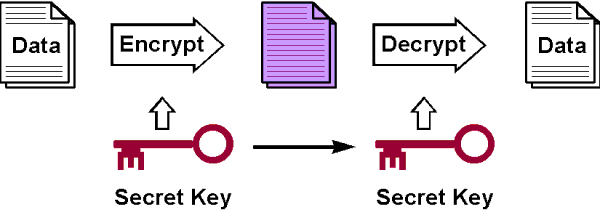
When working with sensitive research data, it’s essential to establish clear protocols for communication. This includes using encrypted email services, secure file-sharing platforms, and password-protected digital storage solutions. By taking these precautions, you can significantly reduce the risk of data breaches or unauthorized disclosure.
Another important aspect of secure communication is being mindful of your language and tone. Avoid using overly casual language or making assumptions about your colleagues’ familiarity with sensitive information. Instead, use clear and concise language that conveys the importance of confidentiality, and ask questions to clarify any doubts.
I have seen firsthand how a single misstep in communication can have devastating consequences. A recent project involved sharing sensitive research data with a partner institution, but an email was sent using an unsecured account, allowing unauthorized individuals to access the information. The incident highlighted the need for rigorous secure communication protocols and served as a wake-up call for researchers everywhere.
Fortunately, there are many resources available to help researchers develop and maintain strong secure communication practices. Many academic institutions offer training programs and workshops on data security and confidentiality, while online resources like the National Institute of Standards and Technology (NIST) provide comprehensive guidelines and best practices.
By prioritizing secure communication and taking proactive steps to protect sensitive research data, you can ensure that your work is not only rigorous and impactful but also responsible and trustworthy. In today’s fast-paced academic environment, this is more important than ever.
 Pickett Applied Technologies Laboratories
Leave a comment