In today’s fast-paced world, industries are rapidly evolving, and laboratories are no exception. With groundbreaking advancements in technology, lab workers must keep pace to ensure their work remains cutting-edge and efficient. The term ‘lab worker’ encompasses a diverse range of professionals—from technicians and researchers to data analysts and more—each playing a vital role in the scientific process. As we delve into this topic, the primary concern is not just the adoption of new tools but the continuous upskilling required to harness these technologies effectively.
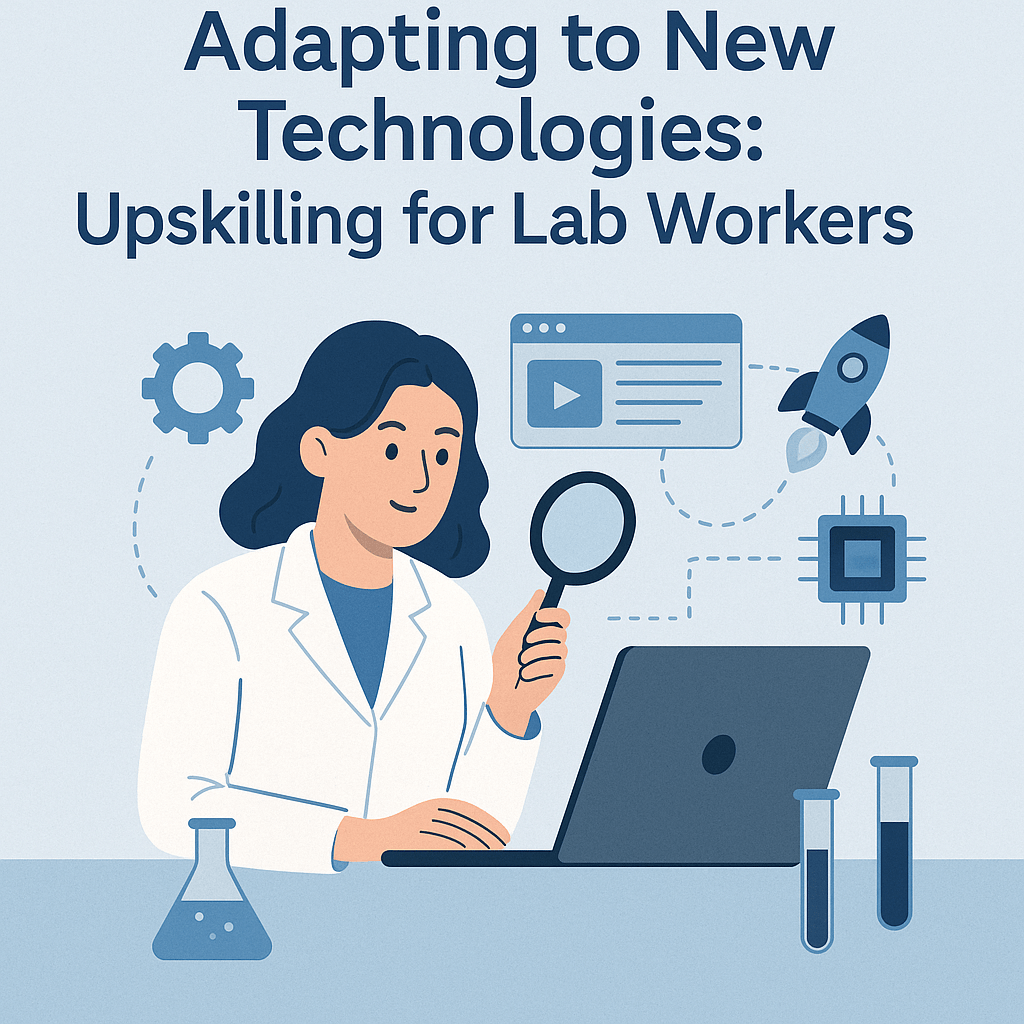
Today we will explore why upskilling is non-negotiable for anyone working within lab settings and highlight practical steps one can take to stay current in this ever-changing landscape. With a focus on making complex concepts accessible, we aim to provide clarity and inspire confidence in your ability to adapt.
Firstly, let’s address the elephant in the room: change. The arrival of new technologies often brings anxiety and resistance, but it’s essential to view this as an opportunity rather than a threat. Technological advancements are not merely trends; they are the backbone of progress in fields like medicine, environmental science, and material research. For lab workers, embracing these changes means being part of a dynamic and ever-growing field.
Now that we understand the importance of change let’s dive into the specifics. What does upskilling entail for lab professionals? The journey involves several key components:
- Online Learning Platforms: Platforms like Coursera, edX, and Udemy offer courses ranging from basic lab techniques to advanced data analysis using AI-driven software. These platforms are user-friendly and cost-effective, allowing individuals to learn at their own pace.
- Certifications and Degrees: Obtaining formal qualifications can validate your skills and open doors to more opportunities. Certifications such as PMP (Project Management Professional) or even a bachelor’s degree in a relevant field could prove advantageous.
- Mentorship and Networking: Learning from experienced professionals is invaluable. Joining networks like LinkedIn groups, attending industry conferences, or participating in webinars can connect you with mentors who can provide guidance and share insights on navigating technological shifts.
- Hands-On Experience: Reading about new technologies is crucial, but applying those skills in real-life scenarios accelerates learning. Seek projects that allow you to experiment with different tools and software.
- Stay Curious and Keep an Open Mind: The world of technology is vast and constantly evolving. Staying curious and keeping an open mind will help you adapt more readily to new concepts and tools.
To illustrate the value of upskilling, consider this scenario: a lab worker proficient in traditional techniques may initially find new AI-driven data analysis tools complex and time-consuming. However, with dedication and practice, they can not only master these technologies but also become an invaluable asset, capable of processing and interpreting data at speeds unimaginable before.
Moreover, upskilling is not just about individual advancement; it’s a collective effort that propels the entire lab to greater heights. When team members are adept with the latest technologies, it leads to more accurate results, faster turnaround times, and ultimately better decision-making.
Upskilling also enhances job satisfaction. By continuously learning, you gain a sense of fulfillment that comes from staying at the forefront of your field. It’s the difference between being reactive—only responding to changes—and proactively shaping the future of your work environment.
In conclusion, adapting to new technologies is not merely an obligation but a thrilling adventure for lab workers. With the right mindset and practical steps, you can transform challenges into growth opportunities. Remember, in this era of rapid technological advancement, being open to learning and change is not just beneficial—it’s essential. By upskilling, you’re not just keeping pace with the times; you’re setting the standard.
So, here’s to embracing the future, one technology at a time! Keep learning, stay curious, and let your expertise evolve alongside the tools that shape the world around us.
 Pickett Applied Technologies Laboratories
Leave a comment