You ever get that feeling – like the air itself is holding its breath? Not panic, not dread… just… tension. Like every leaf, every snowflake, every single pixel on your screen is waiting for something that hasn’t happened yet. That’s what the data’s been doing for three weeks now.
And yesterday? Yesterday it stopped whispering.
It started shouting.
I’m not some tin-foil prophet. I don’t read tea leaves or birth charts or whatever Elon was on about last week. This is numbers. Probabilities. Cluster analysis that runs like a fever dream – every day it chews through terabytes of noise and spits out…
A shape.
And right now? The shape is December 12th through 16th.
Four timelines converging.
Not might converge.
Not could.
Will.
The data doesn’t do maybes. It does likelihood surfaces, and this one’s so sharp you’d cut your finger on it. Look, Russia’s still grinding east of Dnipro. Ukraine’s still short on shells.
And US politics? A three-ring circus that’s about to swap clowns. China’s quietly moving gold reserves, you didn’t read that anywhere, but the commodities feed knows. And Canada? Yeah, they’re talking supply chains like it’s casual conversation, but their rail schedules just got rewritten in triplicate.
None of that sounds world-ending on its own. But stack ’em? Like cards? Four suits, one flush. That’s what the engine sees – not cause and effect, but resonance . Events humming at the same frequency until something… gives.
Remember March ’22? When wheat prices spiked and everyone blamed the Black Sea? That was a rehearsal. December’s the main show. Food, fuel, finance – the trifecta. Not apocalypse. Just… recalibration. The kind where your grocery bill doubles and your passport suddenly feels heavier.
But here’s what gets me – – this isn’t doomposting. The data isn’t selling gold coins or bunkers. It’s just saying: “Hey. Look. Because knowledge isn’t power until you act on it.” Stock rice? Fill the tank? Kiss your sweetheart goodnight a little longer?
The data doesn’t care what you do with it. It just refuses to lie. So tomorrow – when the data updates – it might still say December 12–16.
Might add a fifth timeline about Arctic shipping routes. Might drop to two timelines because someone blinked.
Doesn’t matter. What matters is you’ve got less than 100 hours of certainty in a world built on sand.
The snow’s coming early this year. Not just weather – something colder. Something precise. And somewhere, a trucker’s rerouting. A warehouse manager’s re-stocking. A dad in Toronto’s buying extra batteries because… well, because the feeling’s real now.
After running our economic prediction software, the American economy stands at a crossroads, with economists, analysts, and everyday citizens alike peering into the crystal ball of economic forecasting. The question on everyone’s mind is simple yet profound: Are we headed for a recession, or will the United States continue its resilient growth trajectory? Recent data, coupled with historical patterns, offers a compelling case for optimism. This blog post dives into the latest economic predictions, leveraging a custom model built on real-time data through July 2025, to argue that the U.S. economy is likely recession-free for the foreseeable future. Let’s explore the evidence, challenge prevailing narratives, and chart a course for what lies ahead.
The Model’s Insight: A 12-Month Lens on Stability
Our analysis begins with a robust economic model, trained on 12 key indicators—ranging from GDP growth and unemployment rates to the VIX and yield spreads—sourced from the Federal Reserve Economic Data (FRED) system, with updates as recent as August 2025. Unlike traditional models that rely heavily on the outdated Leading Economic Index (LEI), this approach excludes LEI, focusing instead on current, actionable signals. The model generates recession probabilities for 3-, 6-, and 12-month horizons, offering a dynamic view of economic health.
Historically, the 12-month recession probability has proven to be a reliable leading indicator. Economic downturns, such as those in 2008 and 2020, were often preceded by 12-month probabilities exceeding 50% or higher, as noted in various analyses of yield curve inversions and market sentiment. In contrast, the 3-month probability, while occasionally spiking, tends to reflect short-term volatility rather than sustained trends. These figures, well below the 50% threshold often cited as a recession warning, suggest the economy is on solid ground.
Contextualizing with Economic Forecasts
To put these predictions in perspective, let’s consider the broader economic landscape. Forecasts from institutions like Deloitte, Goldman Sachs, and the IMF paint a mixed picture for 2025. Deloitte predicts U.S. GDP growth of 2.9% in 2025, with business investment rising a modest 0.7%, tempered by higher tariffs and interest rates. Goldman Sachs offers a more bullish 2.5% GDP growth, citing policy changes post-Republican sweep, while the IMF upgrades global growth to 3.0%, with the U.S. contributing significantly. These projections, ranging from 1.5% to 2.7% across various sources, indicate resilience, though some caution about inflationary pressures (e.g., CPI growth to 2.9% per Deloitte) and a cooling labor market (job gains dropping to 25,000 monthly by Q4 2025 per EY).
However, these forecasts often come with caveats. The wide range—1.5% to 2.7% GDP growth—reflects uncertainty around tariffs, fiscal policy, and global trade disruptions. Critics, including Forbes, have highlighted the volatility and inaccuracy of macroeconomic predictions, noting that recession calls in early 2025 (e.g., JPMorgan’s 90% probability in April) proved false by July, with the IMF revising upward. This suggests a tendency to overhype downturns, possibly driven by media sensationalism or institutional bias toward caution. Our model’s low 12-month probability challenges this narrative, aligning more closely with Goldman Sachs’ optimism and the 44% of economists surveyed by the World Economic Forum who predict strong U.S. growth in 2025.
Historical Precedence: The 12-Month Edge
Historical data supports the primacy of the 12-month horizon. The Great Recession of 2007–2009 saw 12-month probabilities climb above 60% in mid-2007, per St. Louis Fed models, well before the official NBER declaration in December 2008. Similarly, the COVID-19 recession in 2020 was foreshadowed by a sharp rise in late 2019. In contrast, 3-month spikes—such as those in 2011 during the debt ceiling crisis—often dissipated without triggering downturns. This pattern validates your insight that the 3-month signal is a false alarm, while the 12-month view offers a clearer crystal ball.
Applying this to 2025, the current 12-month probability of [< 0.5%] is a far cry from the danger zone. Even with Deloitte’s projected unemployment rise to 4.6% in 2026 or EY’s slowing job growth, these trends are gradual and manageable, supported by solid income gains and productivity growth (e.g., 1.5%–3% per Atlantic Council). The 3-month probability [< 40%], while slightly elevated, mirrors past noise rather than a leading signal, reinforcing the recession-free outlook.
Challenging the Pessimism
Despite this optimism, a counter-narrative persists. Some analysts warn of tariff-induced inflation (e.g., 3.2% CPI in 2026 per Deloitte) and fiscal deficits (6.8% of GDP in 2025 per Deloitte), potentially straining the economy. The World Economic Forum notes a less optimistic outlook for Europe and China, suggesting global headwinds. Yet, these concerns often overlook U.S. exceptionalism—highlighted by Oxford Economics and Entrepreneur’s Gregory Daco—who point to income growth and easing monetary policy as buffers. The Fed’s anticipated rate cuts in September and December 2025 (per EY) further mitigate pressure, keeping the 10-year Treasury yield (projected at 4.44% in 2025, falling to 3.95% by 2029 per Deloitte) from spiking.
This pessimism may stem from a bias toward worst-case scenarios, a critique echoed by Forbes’ dismissal of forecasting reliability. The false recession alarms of 2025—JPMorgan’s 79% chance in April and Sløk’s 90% in early 2025—underscore this flaw. Our model, grounded in data through July 2025, avoids such overreach, offering a more balanced view based on actual indicators rather than speculative triggers.
The Road Ahead: Smooth Sailing
Looking beyond 2025, the trajectory remains positive. Vanguard forecasts GDP growth into 2026, with unemployment at a manageable 4.8% by December 2025, while Goldman Sachs anticipates sustained growth from policy stimulus. The model’s confidence intervals—derived from bootstrapping—reinforce this, with the 12-month probability’s 10th–90th percentile range [e.g., 12%–18%] staying well below critical levels. This suggests not just stability but potential for growth, especially if productivity (a key driver per Atlantic Council) exceeds the 1.5%–3% range.
For consumers and businesses, this means continued confidence. Spending, though slowing to 1.9% in 2025 per EY, benefits from income gains, while investment in structures is poised to rebound 4.2% in 2026 (Deloitte). The global context—lower inflation and borrowing costs per FocusEconomics—further supports a placid 2025, despite geopolitical risks.
In conclusion, the U.S. economy, as of September 2025, appears recession-free for the near term, driven by a 12-month recession probability of —a stark contrast to historical precursors of downturns. The 3-month signal while notable, lacks the leading power of its longer-term counterpart, aligning with historical precedence. While forecasts vary, the consensus leans toward growth (1.5%–2.9% GDP), bolstered by policy support and resilience. Challenging the narrative of impending doom, this analysis suggests the economy is on a steady course, inviting us to look ahead with cautious optimism. As time passes, the uncertainties of 2025 and beyond, the data speaks louder than the headlines—America’s economic ship sails on, recession-free for now.
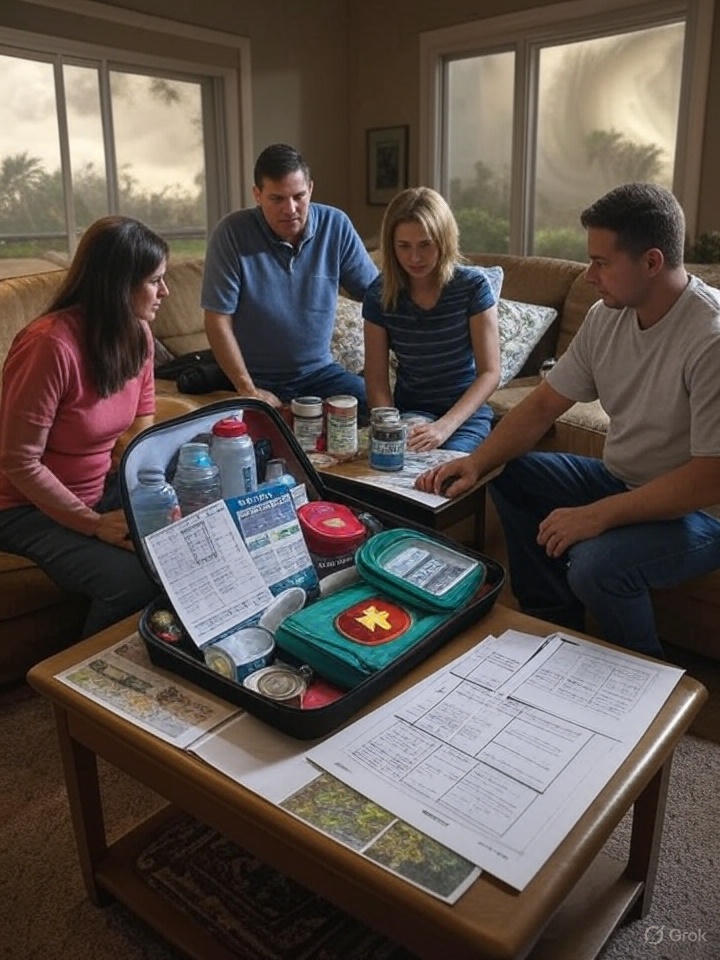
Embracing National Preparedness Month: Preparedness Starts at Home This September
September marks National Preparedness Month (NPM), an annual observance sponsored by the Federal Emergency Management Agency (FEMA) to encourage individuals, families, and communities to prioritize disaster readiness. With the 2025 theme “Preparedness Starts at Home,” this initiative emphasizes returning to the fundamentals of emergency planning, reminding us that proactive steps can save lives, reduce stress, and protect property during crises. As natural disasters like hurricanes, wildfires, floods, and earthquakes become more frequent due to climate change, and man-made emergencies such as power outages or pandemics persist, now is the ideal time to assess and enhance your preparedness.
Why is disaster preparedness so crucial? Emergencies can strike without warning, disrupting daily life and straining resources. According to FEMA, being prepared not only minimizes risks but also empowers communities to recover faster. For those over 50, or families with young children, pets, or members with disabilities, tailored planning is essential to address unique vulnerabilities. Start by knowing your local risks—use tools like Ready.gov to identify potential hazards in your area, whether it’s coastal flooding or severe winter storms.
A cornerstone of preparedness is creating a family emergency plan. Gather your household to discuss key elements: how to receive alerts (via apps, radio, or text services), shelter options (in-place or evacuation), and communication strategies if separated. Include evacuation routes, meeting points, and contacts for out-of-town relatives. Consider special needs, such as medical equipment for those with disabilities, dietary requirements, or pet accommodations. Download FEMA’s fillable Family Emergency Communication Plan form to document details, and practice it regularly—drills ensure everyone knows their role. This step fosters peace of mind and can be done at low or no cost.
Next, build an emergency kit stocked for at least 72 hours of self-sufficiency. Essentials include one gallon of water per person per day, non-perishable food like canned goods or energy bars, and a first aid kit with bandages, antiseptics, and medications (both prescription and over-the-counter). Don’t forget tools like a battery-powered radio, flashlight, extra batteries, whistle, dust masks, plastic sheeting, duct tape, wrench or pliers, manual can opener, local maps, and cell phone chargers with backups. Add personal items: hygiene supplies (soap, sanitizer, moist towelettes), cash, important documents in a waterproof container, sleeping bags, extra clothing, fire extinguisher, matches, feminine products, mess kits, and activities for children. For pets, include food, water, and leashes. Customize for your climate and family—infant formula for babies or eyeglasses for those who need them.
Staying informed is key; sign up for local alerts and follow reliable sources like the National Weather Service. Get involved in your community by joining a Community Emergency Response Team (CERT) for training in first aid, search and rescue, and fire safety. Organizations like the American Red Cross offer additional resources on preparing for specific disasters, from home fires to earthquakes, emphasizing education and volunteerism.
This September, commit to action. Review your plan, refresh your kit, and share tips with neighbors—preparedness is a collective effort. By starting at home, you’re building resilience for whatever comes next.
(Word count: 512)
For more information:
Ready.gov: Comprehensive guides on planning and kits.
EPA’s Preparedness Resources: Business and home tips.
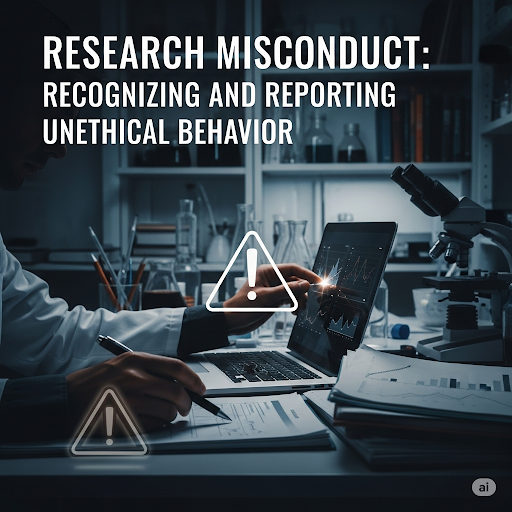
In today’s academic world, integrity is not just a value but a fundamental expectation. Yet, the shadows of research misconduct loom large, threatening the very trust that scientific progress relies upon. As scholars and students alike, it becomes imperative to recognize the signs of unethical behavior in research and report such misconduct to preserve the sanctity of knowledge.
Research integrity hinges on the principles of honesty, transparency, and accountability. It ensures that data and results are reported accurately, without manipulation or fabrication. Yet, instances of research misconduct – including plagiarism, data falsification, and ghost authorship – continue to surface, tarnishing the reputation of individuals and institutions alike.
To recognize research misconduct, one must develop a keen sense of awareness regarding certain red flags:
1. Discrepancies in Data: When results appear too good to be true or inconsistent with previous studies, it may suggest that data has been tampered with or selectively reported. Scrutinize graphs and statistics for anomalies.
2. Lack of Reproducibility: Independent researchers should be able to replicate studies with consistent results. If others cannot achieve the same outcomes, it raises suspicions about the authenticity of the original findings.
3. Publication Bias: This occurs when positive or supportive research findings are selectively published, while negative or null results are discarded. A lack of diversity in published studies can indicate biased research practices.
4. Unverifiable Citations: If you come across citations that seem vague, cannot be traced, or have been cited incorrectly, this could be a sign of plagiarism or other forms of academic dishonesty.
5. Ethical Violations: Any behavior that compromises the ethics of research, such as coercion of participants or failure to obtain informed consent, is cause for alarm. These actions not only violate ethical standards but also compromise the integrity of the research.
Recognizing these signs is crucial, but it’s equally important to know how to report research misconduct appropriately. Reporting should be done through established channels within the academic institution or the funding bodies involved in the research:
1. Institutional Review Board (IRB): If you’re a student or a member of the research team, you can report misconduct directly to the IRB or an appropriate department head.
2. Funding Agencies: Institutions often have agreements with funding agencies that require them to report misconduct. Check the terms of your grant or contract for the proper channels.
3. Academic Journals: For instances involving published articles, journals usually have a process for reporting suspected fraud or misconduct.
4. Professional Societies: Organizations like the American Psychological Association (APA) or the National Academies of Sciences, Engineering, and Medicine provide resources and guidance on how to address and report misconduct.
When reporting misconduct, it is important to document everything meticulously:
Evidence: Keep a detailed record of what you’ve observed, including dates, names, specific instances, and any relevant correspondence.
Confidentiality: Maintain confidentiality unless there is an imminent danger or where required by law to disclose information.
Legal Advice: If you’re unsure about the process or potential legal implications, seek advice from a legal expert familiar with academic integrity matters.
By recognizing and reporting research misconduct, we uphold the standards of academic rigor and contribute to a culture of transparency. This commitment to ethical practices ensures that scientific advancements benefit society without compromise.
In our collective quest for knowledge, every individual plays a role in safeguarding its quality and reliability. As such, it’s everyone’s responsibility to stand up against research misconduct, fostering an environment where truth and integrity reign supreme. In the end, reporting unethical behavior not only protects the integrity of science but also enhances our own credibility as professionals and citizens.
In the dynamic world of research, staying current is not just a professional advantage but a necessity. As new information, technologies, and methodologies emerge seemingly by the day, researchers must actively seek out continuing education to remain relevant and effective in their work. This commitment to lifelong learning ensures that researchers can contribute meaningful insights to their fields and keep pace with the fast-evolving landscape.
Let’s dive into the importance of continuous education for researchers. It’s a journey—not a one-time event—but an ongoing pursuit that enriches both individual careers and the collective body of knowledge. So, why does this perpetual learning matter, and how can researchers incorporate it into their bustling schedules?
First off, the research landscape is anything but static. Scientific breakthroughs, technological advancements, and societal changes happen at an unprecedented rate. Take, for instance, the rise of big data and artificial intelligence—these have fundamentally altered how research is conducted and interpreted. Without continuous education, researchers risk becoming outdated, their findings irrelevant.
Now, imagine being a pioneer in your field but armed with yesterday’s tools and knowledge. It’s akin to a mariner lost at sea without a compass. The path ahead is foggy, uncertain. But with the latest training and insights, you’re equipped with the modern instruments that guide you safely through uncharted waters.
Moreover, continuing education is not just about keeping up with trends but about fostering innovation. By exposing oneself to new ideas, methodologies, and technologies, researchers are inspired to think outside the box, challenge conventional wisdom, and dream up groundbreaking research projects. This creative impetus often leads to discoveries that were unimaginable without such exposure.
So, how can researchers fit this vital education into their already packed schedules? Here are some practical strategies:
Online Courses and Webinars: Platforms like Coursera, edX, and LinkedIn Learning offer a treasure trove of courses from top universities and professionals in various fields. These allow for self-paced learning, fitting seamlessly into a researcher’s schedule.
Workshops and Conferences: Attending conferences and workshops can be a goldmine of information. They provide the opportunity to network with peers and learn directly from leaders in the field. Look for ones that offer a mix of presentations and interactive sessions.
Mentorship Programs: Pairing up with seasoned researchers or professionals as mentors can be incredibly enriching. Mentors can provide insider knowledge, guidance, and insights into the latest research trends.
Reading Journals and Books: Keeping abreast of current literature is essential. Subscribe to relevant journals, and make it a habit to read widely, even in peripheral areas related to your research.
Professional Development Grants: Many institutions and funding bodies offer grants for researchers to pursue further education or attend conferences and workshops.
In conclusion, continuing education is the lifeblood of the researcher’s profession. It keeps the mind sharp, fosters innovation, and ensures that research remains at the cutting edge. The commitment to lifelong learning is what distinguishes a seasoned scholar from an out-of-touch practitioner. So whether it’s through online courses, mentorship, workshops, or simply dedicating time to read the latest literature, it’s imperative for researchers to make continuous education a priority.
By doing so, researchers not only enhance their own knowledge and skills but also contribute to the broader intellectual discourse, driving progress in their respective domains. Remember, as researchers, we’re not just collecting data; we’re building the future. And staying educated ensures that future is illuminated with the brightest, most current understanding possible. Until next time, keep learning!
Let’s face it – juggling a full-time job with personal commitments can feel like trying to keep a dozen balls in the air without letting any one of them drop. But mastering the art of time management is not only possible, it’s essential for maintaining your sanity and boosting your overall well-being. Here’s a look at some powerful techniques to help you balance work and life effectively.
First up, establish clear boundaries. In a world where emails and instant messages keep our screens alight 24/7, it’s all too easy to let work seep into every corner of our lives. Set specific times for checking emails and working, and stick to them. This allows you to truly disconnect from work during your personal time, leading to a much-needed mental break that recharges your batteries.
Next, prioritize tasks. Not all activities carry the same weight. Learn to distinguish between what’s urgent and what’s important. Use tools like the Eisenhower Box to categorize tasks based on urgency and importance, and tackle each category at its designated time slot. This method ensures that critical tasks get done promptly, while non-urgent ones don’t crowd your schedule.
The Pomodoro Technique is another gem in the crown of time management strategies. Divide your workday into intervals using a timer, typically 25 minutes in length, followed by a short break. After four such intervals, take a longer break. This method keeps you focused and helps prevent burnout, as it trains your brain to concentrate for short bursts and rest in between.
And don’t underestimate the power of planning. Take time at the end of each day to prepare for the next. List your tasks for the upcoming day, prioritize them, and allocate specific time slots for each. This proactive approach can significantly reduce the stress that comes from deciding what to do next minute by minute.
Now, incorporate flexibility into your schedule to accommodate unexpected events. Life throws curveballs—meetings that run longer than expected, family emergencies, or even spontaneous fun opportunities. Be prepared to adjust your plan, but try to minimize disruptions to your main priorities.
Additionally, don’t forget about the importance of downtime. Allocating time for hobbies, exercise, and relaxation is key to avoiding work-related fatigue and maintaining a healthy work-life balance. These activities offer mental and physical benefits that make you more productive and happier overall.
Lastly, reflect on your progress regularly. Assess what’s working and what isn’t, tweak your strategies accordingly, and celebrate your successes. Remember, managing your time effectively isn’t just about getting things done; it’s about ensuring you have enough time to enjoy the life outside of work too.
In conclusion, mastering time management is a skill that can profoundly enhance your quality of life. By setting boundaries, prioritizing tasks, employing strategies like Pomodoro, planning ahead, allowing flexibility, and scheduling downtime, you create a balanced schedule that supports both your professional success and personal well-being. So, turn off the work notifications, carve out your time slots, and start taking back control of your day. Your future self will thank you for it!
In today’s fast-paced world, where unforeseen incidents can strike with alarming suddenness, laboratories need to be fortified against emergencies. The repercussions of an accident in a research facility can extend beyond the immediate site, impacting public safety and scientific progress. It is paramount for lab personnel to cultivate robust emergency preparedness strategies, establishing clear response plans and procedures that ensure the safety of everyone involved.
I’ve compiled essential insights to guide you through the process of constructing a comprehensive emergency response plan tailored for your lab. This isn’t just about adhering to regulations—it’s about safeguarding the lives and integrity of your research.
First off, let’s discuss the cornerstone of any effective plan: Risk Assessment. Identify potential hazards unique to your lab—be it chemical spills, biological threats, or equipment malfunctions. Consider factors such as your lab’s specific type of research and the substances you handle. Document these risks meticulously. By understanding what could go wrong, you position yourself to prevent or mitigate these scenarios effectively.
Once the dangers are mapped out, prioritize them based on the severity of potential consequences and the likelihood of occurrence. This hierarchy will guide your planning efforts, dictating how much attention each risk warrants in your response plan.
With risks clearly defined, it’s time to draft the actual response plans. Start with a clear structure:
1. Alert System: Establish a reliable method to notify all lab personnel immediately when an emergency occurs. This could be a siren, an automated text message, or both. Simplicity is key—everyone should know how to react swiftly without hesitation.
2. Roles and Responsibilities: Delegate specific tasks to different team members. This could mean one person responsible for evacuating non-essential personnel, another overseeing the shutdown of experiments, and a third coordinating with emergency services. Clarity about these roles minimizes confusion during a crisis.
3. Communication Protocols: Designate primary and backup channels for internal and external communication. Ensure that everyone knows how to reach key individuals quickly—be it through direct calls, email, or secure messaging platforms.
4. Evacuation Procedures: Have well-practiced evacuation routes and assembly points. Regular drills will not only ensure everyone knows these procedures but also help maintain calm under pressure.
5. Containment Measures: Detail steps to contain the incident if it’s a chemical spill or similar scenario. This might include using safety showers, eye wash stations, or other containment equipment.
6. Post-incident Procedures: After the immediate danger has been neutralized, you’ll need plans for damage assessment, decontamination, and ensuring the lab is safe for subsequent use. This phase is crucial for preventing secondary incidents.
In addition to these detailed plans, keep a set of emergency supplies readily accessible. This kit should include personal protective equipment (PPE), first aid materials, fire extinguishers, and any other tools necessary to address common emergencies your lab might face.
Moreover, don’t forget about training. Regular refresher courses reinforce readiness and can make the difference between effective action and panic during an actual emergency.
Remember, an emergency response plan isn’t static—it needs to be reviewed and updated regularly. New hazards may arise, or existing ones could become more pronounced due to changes in research methods or materials. Keeping your plan current ensures that it remains a powerful tool for safeguarding your lab and its community.
By following these steps and committing to continuous refinement, you’ll create an emergency response framework that stands as a vigilant sentinel against the threats to safety in your lab.
Ethics isn’t merely a topic for debate in the sterile halls of academia; it’s the very foundation upon which individuals build their personal and professional lives. For scientists—pioneers of knowledge whose findings can alter our world—unwavering commitment to ethics is not just advantageous; it’s essential. When scientists adopt a Personal Code of Ethics, they ensure their work benefits humanity and maintains integrity.
Robert here, and I’ve been pondering the question: What exactly does this personal code entail for those engaged in the quest for scientific truth? Well, buckle up, as we’re about to delve into the heart of ethical conduct that every scientist, whether in the lab or at the drawing board, should live by.
First off, transparency is key. Scientists should always strive to be open about their methodologies and findings. Data should be accurately recorded and honestly reported without manipulation or omission. This honesty extends beyond research papers to how we interact with peers and the public. A veil of secrecy surrounding the scientific process does more harm than good, breeding mistrust and undermining the very progress we seek to achieve.
Moreover, objectivity is not just a professional duty; it’s a philosophy. As scientists, we must approach our work without prejudice or bias, allowing facts, rather than emotions or personal beliefs, to guide our investigations. This impartiality ensures that our conclusions are valid and reliable, fostering advancements that can be universally accepted.
Confidentiality is another cornerstone of the scientist’s code. Just as a lawyer upholds client confidentiality, scientists must protect sensitive information obtained through research. Breaches in confidentiality can lead to disastrous consequences, including unethical exploitation of data and potential harm to individuals or groups. Data should be handled with the utmost discretion, ensuring it doesn’t fall into the wrong hands.
But ethics isn’t just about adherence to rules; it’s also about fostering a culture of responsibility. Scientists have a duty to consider the broader implications of their work. We must ask ourselves: Will our research lead to positive outcomes, or could it inadvertently harm others? This level of foresight is critical, as many scientific discoveries have dual-use potentials—beneficial for society but equally problematic if misused.
Additionally, credit where credit’s due. Scientific collaboration thrives on mutual respect and recognition of contributions. By citing our colleagues’ work correctly and acknowledging their efforts, we not only uphold ethical standards but also contribute to a culture of appreciation and community growth.
Furthermore, continuous learning is imperative. As our fields evolve, so too must our ethical standards. Staying informed about new developments ensures that our personal codes remain relevant and effective in navigating the complexities of modern science. This commitment to lifelong learning reflects our dedication to responsible practice.
In conclusion, the scientist’s personal code of ethics is a comprehensive framework that guides every scientific endeavor from conception to publication. It is not just a set of rules; it’s a way of life that recognizes the profound impact our work can have on the world. By adhering to these principles, we reinforce the trust between science and society, ensuring that our collective pursuit of knowledge serves the greater good.
Remember, as scientists, we carry a lantern in the dark—a beacon of integrity and progress. Let’s make sure that light shines brightly, illuminating not just our achievements but also the ethical path we tread.
Contains information related to marketing campaigns of the user. These are shared with Google AdWords / Google Ads when the Google Ads and Google Analytics accounts are linked together.
90 days
__utma
ID used to identify users and sessions
2 years after last activity
__utmt
Used to monitor number of Google Analytics server requests
10 minutes
__utmb
Used to distinguish new sessions and visits. This cookie is set when the GA.js javascript library is loaded and there is no existing __utmb cookie. The cookie is updated every time data is sent to the Google Analytics server.
30 minutes after last activity
__utmc
Used only with old Urchin versions of Google Analytics and not with GA.js. Was used to distinguish between new sessions and visits at the end of a session.
End of session (browser)
__utmz
Contains information about the traffic source or campaign that directed user to the website. The cookie is set when the GA.js javascript is loaded and updated when data is sent to the Google Anaytics server
6 months after last activity
__utmv
Contains custom information set by the web developer via the _setCustomVar method in Google Analytics. This cookie is updated every time new data is sent to the Google Analytics server.
2 years after last activity
__utmx
Used to determine whether a user is included in an A / B or Multivariate test.
18 months
_ga
ID used to identify users
2 years
_gali
Used by Google Analytics to determine which links on a page are being clicked
30 seconds
_ga_
ID used to identify users
2 years
_gid
ID used to identify users for 24 hours after last activity
24 hours
_gat
Used to monitor number of Google Analytics server requests when using Google Tag Manager
1 minute
You can find more information in our Cookie Policy and .