Category: Advice

  • Building Resilience: Coping with Setbacks in Work and Life

    Building Resilience: Coping with Setbacks in Work and Life

    Losing ground on a project, getting passed over for a promotion, or missing a crucial deadline – setbacks are an inevitable part of both our professional and personal lives. But how we respond to these challenges can make all the difference between a minor hiccup and a catastrophic derailment. The key to moving forward lies in building resilience, the ability to bounce back from adversity and continue toward your goals.

    Remember, every great achievement is built on a foundation of resilience – the unwavering ability to rise after falling. So next time you face a setback, take a deep breath, learn from it, and keep moving forward. You've got this!
    Remember, every great achievement is built on a foundation of resilience – the unwavering ability to rise after falling. So next time you face a setback, take a deep breath, learn from it, and keep moving forward. You’ve got this!

    As someone who has taken his fair share of setbacks, I realize they hurt more than anyone can ever know – but there reasons.

    Firstly, recognize that setbacks are not failures; they’re opportunities for growth. Every stumble provides invaluable lessons about what works and what doesn’t. Embrace this mindset by reframing the situation: instead of viewing a missed opportunity as a failure, see it as a chance to improve and hone your skills.

    Let me share an example from my own experience. When I initially failed to complete a class – it beat me down hard. But I had to keep moving. I had to keep going.

    Secondly, develop a robust support network. Surround yourself with people who uplift you, offer constructive advice, and provide emotional support during tough times. Engaging in a community, whether professional or personal, fosters a sense of belonging and provides access to resources and encouragement that can help navigate through adversity.

    Moreover, maintain a positive outlook. Optimism isn’t about ignoring the negative; it’s about maintaining hope and the belief that things will get better. This positive attitude not only makes the journey more enjoyable but also enhances your ability to overcome obstacles. Researchers have found that optimistic individuals tend to recover faster from setbacks because they’re more likely to persist in the face of challenges.

    Lastly, practice self-care. Physical and mental health are cornerstones of resilience. Regular exercise, a healthy diet, adequate sleep, and mindfulness practices like meditation can significantly bolster your resilience. When you feel strong and energized, you’re better equipped to handle what life throws your way.

    In conclusion, setbacks are as common as they are challenging. But with the right attitude, support, and self-care, we can transform these moments into stepping stones towards our goals. Remember, every great achievement is built on a foundation of resilience – the unwavering ability to rise after falling. So next time you face a setback, take a deep breath, learn from it, and keep moving forward. You’ve got this!

  • The Importance of Delegation: Freeing Up Time for What Matters Most

    The Importance of Delegation: Freeing Up Time for What Matters Most

    In today’s fast-paced world, productivity has become synonymous with success. Businesses and professionals are constantly seeking ways to maximize their output while minimizing their input. One often-overlooked strategy that can drastically increase efficiency is delegation. The importance of delegation cannot be overstated; it allows us to free up time for the truly meaningful tasks that drive our businesses forward.

    Let’s break down why delegation matters and how it can revolutionize your workflow:

    Delegation Simplifies Complexity

    When we try to handle every task ourselves, we often become bogged down by the complexity of juggling multiple responsibilities. This not only slows us down but can also lead to burnout. By delegation, you’re essentially dividing this complexity into manageable parts. Each task is given to someone who specializes in it or has the capacity to handle it more efficiently. This division of labor means that each person focuses on what they do best, leading to quicker and more effective outcomes.

    Delegation Enhances Efficiency

    Time is a finite resource. When we delegate tasks, we conserve our own precious time for more strategic endeavors. Let’s say you’re an entrepreneur running a growing business. Instead of being stuck in the weeds of day-to-day operations, you should focus on high-level strategy and growth tactics. Delegating allows you to hand off these operational tasks to a team member or a service provider, giving you back hours that can be better spent nurturing customer relationships, innovating new products, or scaling your business.

    Delegation Fosters Growth and Development

    By delegating tasks, we create opportunities for growth and development within our teams. It gives employees a chance to hone their skills, take on new challenges, and earn recognition for their contributions. Moreover, it encourages a culture of trust and empowerment. When team members know they are trusted to handle responsibilities, it boosts morale and job satisfaction, which in turn can improve overall productivity.

    Delegation Promotes Better Use of Resources

    Sometimes, we try to do everything ourselves simply because it’s familiar or because we don’t want to let go of control. However, delegation allows us to tap into the unique strengths and skills of others. It ensures that resources — be it money, time, or expertise — are allocated where they can do the most good. For instance, if you’re not a graphic designer, delegating your design projects to a professional means you’re investing in quality work that aligns with your brand’s identity.

    Delegation Encourages Collaboration

    In a business setting, delegation often encourages cross-functional collaboration. When tasks are delegated across different departments, it creates interdependencies and fosters communication. This network of teamwork can lead to innovative solutions and improvements that wouldn’t have been possible in a siloed approach.

    Delegation Allows for Focus on Mission-Critical Tasks

    The ultimate goal for any business owner or leader is to ensure the company achieves its mission and vision. Delegation enables you to focus your energy and attention on those critical tasks that drive your business forward. Whether it’s developing a new marketing strategy, closing a major deal, or refining your product offering, having the time to concentrate on these high-impact activities can make all the difference.

    In conclusion, the importance of delegation extends far beyond just saving time. It’s about empowering yourself and your team, fostering a culture of growth, and ensuring that the most strategic and impactful tasks are handled by the right people. As you move forward, consider which tasks you can safely hand over and make room for the truly important work that only you can do.

    I urge you to embrace the power of delegation and watch as it transforms not just your workflow, but the entire trajectory of your business success.

  • Setting SMART Goals: A Framework for Effective Time Management

    Setting SMART Goals: A Framework for Effective Time Management

    As professionals, we’ve all been there – staring blankly at our to-do lists, feeling overwhelmed by the sheer amount of tasks competing for our attention. It’s easy to get bogged down in the minutiae, struggling to make progress on even the most important projects. But what if you could break free from this cycle of procrastination and focus? The key lies in setting SMART goals – a framework that helps you prioritize effectively, manage your time wisely, and achieve real success.

    So, what exactly is a SMART goal? Simply put, it’s a specific, measurable, achievable, relevant, and time-bound objective. By incorporating these five elements into your goals, you’ll be able to create a roadmap for success that truly works for you. Let’s dive in and explore each of these components in detail.

    First up: specificity. Your goal should be clear and concise, leaving no room for misinterpretation. Instead of aiming “to work harder,” try “increasing my productivity by 20% within the next three months.” See how much more manageable that sounds? By focusing on a specific outcome, you’ll be able to concentrate your efforts where they’ll matter most.

    Next, we have measurement. This is where numbers come in – how will you know when you’ve reached your goal? Setting up metrics and tracking them regularly will help you stay motivated and adjust your strategy as needed. For example, if your goal is to “write more,” you might aim to publish a certain number of articles per quarter.

    Achievability is the next crucial element in setting SMART goals. This means making sure your objective is realistic and attainable based on your current skills, resources, and schedule. Don’t set yourself up for disappointment by trying to accomplish too much, too soon. Be honest with yourself about what you can realistically achieve, and then work from there.

    Relevance is often overlooked in the rush to set a goal, but it’s essential to making sure your objectives align with your values and priorities. What gets you excited? What drives you? By focusing on goals that truly matter to you, you’ll be more engaged and motivated throughout the process.

    Finally, we have time-bound goals. This is where deadlines come in – when will you need to accomplish this task or achieve this milestone? Having a clear deadline will help you stay focused and avoid procrastination. Try setting specific milestones along the way to break up larger tasks into manageable chunks.

    So how do these SMART goal principles apply to effective time management? By using this framework, you’ll be able to prioritize tasks more efficiently, allocate your time wisely, and make steady progress towards achieving your objectives. No longer will you feel overwhelmed by a never-ending to-do list – instead, you’ll be empowered with a clear plan of action.

    By implementing SMART goals into your daily routine, you’ll not only become more productive but also develop a greater sense of control over your time and priorities. Remember, it’s the small, consistent steps that lead to lasting change. So take the first step today – set some SMART goals, and watch how your productivity and confidence soar. With a solid plan in place, nothing can stop you from achieving success on your own terms.

  • Overcoming Procrastination: Strategies for Effective Time Management

    Overcoming Procrastination: Strategies for Effective Time Management

    Procrastination is a pervasive problem that affects millions of people worldwide. It’s a habit that can lead to lost productivity, missed deadlines, and decreased job satisfaction. As someone who has spent years studying the habits of high-performers, I’ve identified several strategies that can help you overcome procrastination and develop effective time management skills.

    Effective time management also requires learning to say no. When we take on too much, we can quickly become overwhelmed and fall back into procrastination patterns.

    First and foremost, it’s essential to understand that procrastination is not a moral failing, but rather a behavioral pattern that can be changed with practice and persistence. One effective strategy for overcoming procrastination is the Pomodoro Technique. This technique involves working in focused, 25-minute increments, followed by a five-minute break. After four cycles, take a longer break of 15-30 minutes. By breaking down work into manageable chunks, you can build momentum and make progress without feeling overwhelmed.

    Another strategy for overcoming procrastination is to identify and challenge your underlying motivations. Often, we put off tasks because we’re afraid of failure or because they don’t align with our values. Take some time to reflect on why you’re putting off a particular task. Are you fearful of not meeting expectations? Are you unsure about how to approach the task? Once you understand your motivations, you can develop strategies to overcome them. For example, if you’re afraid of failure, try reframing your thinking around mistakes as opportunities for growth and learning.

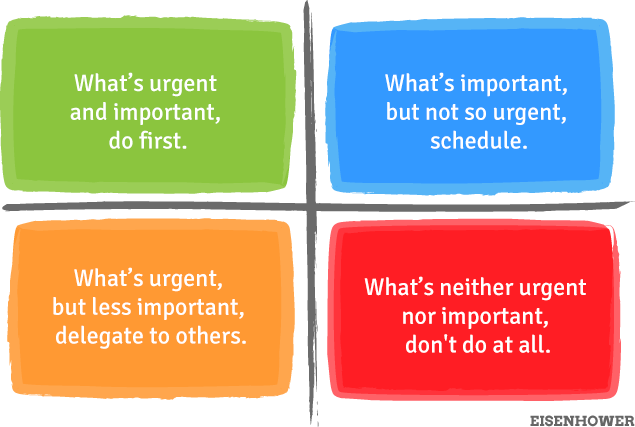
    Time management is also closely tied to goal-setting. When we have clear goals in mind, we’re more motivated to take action towards achieving them. Take some time to set specific, measurable, achievable, relevant, and time-bound (SMART) goals for yourself. Break down larger goals into smaller, manageable tasks, and prioritize them based on importance and urgency.

    Effective time management also requires learning to say no. When we take on too much, we can quickly become overwhelmed and fall back into procrastination patterns. Practice saying no to non-essential commitments that drain your energy and distract you from your priorities. Remember that it’s okay to set boundaries and prioritize your own needs.

    Finally, developing a growth mindset is essential for overcoming procrastination. When we believe that our abilities can be developed through effort and learning, we’re more likely to take risks and push ourselves outside of our comfort zones. Cultivate a mindset that sees challenges as opportunities for growth, rather than threats to ego or self-esteem.

    In conclusion, overcoming procrastination requires a combination of understanding your motivations, developing effective time management skills, and cultivating a growth mindset. By implementing the Pomodoro Technique, identifying and challenging your underlying motivations, setting clear goals, learning to say no, and adopting a growth mindset, you can break free from the cycle of procrastination and achieve greater productivity and success. With persistence and practice, you can develop the habits and strategies necessary to overcome procrastination and reach your full potential.

  • The Importance of Breaks: How Downtime Can Boost Your Productivity

    The Importance of Breaks: How Downtime Can Boost Your Productivity

    As someone who’s spent countless hours working on projects and meeting deadlines, I’m sure you’re familiar with the feeling of burnout that comes with prolonged periods of focus. It’s a state where your mind is numb, and all you want to do is check out for a while. But what if I told you that taking breaks isn’t just a necessary evil – it can actually boost your productivity?

    Research has shown that our brains are capable of concentrating for about 60-90 minutes before they need a rest. This concept is known as the Ultradian Rhythm, and it’s essential to understand how it works if you want to optimize your work sessions. When you push through without taking a break, you’re essentially working against the natural flow of your brain’s energy levels.

    When you do take breaks, you’re giving yourself permission to relax and recharge. This might mean stepping away from your desk for a few minutes, going for a walk, or practicing some light stretching exercises. By doing so, you’re allowing your brain to enter a state of relaxation, which is essential for memory consolidation and learning.

    One of the most significant benefits of taking breaks is that it helps you come back to your work with renewed focus and energy. When you take a break, you’re giving yourself time to relax and recharge, which means you’ll be more productive when you get back to work. In fact, studies have shown that taking regular breaks can increase productivity by up to 30%.

    Another benefit of taking breaks is that it helps reduce stress and anxiety. When you’re working on a project for an extended period, it’s easy to get caught up in the pressure to meet deadlines and deliver results. But when you take a break, you’re giving yourself time to step away from the stress and anxiety that comes with your work.

    Now, I know what you might be thinking – “But Robert, I don’t have time for breaks! I’ve got too much work to do.” And I get it, we all feel like we’re drowning in a sea of tasks at some point. But here’s the thing: taking breaks isn’t just about giving yourself time off from work; it’s also about making yourself more productive in the long run.

    When you take regular breaks, you’re allowing yourself time to rest and recharge, which means you’ll be more focused and energized when you get back to work. And by reducing stress and anxiety, you’re actually helping yourself to become a better worker. It might seem counterintuitive, but trust me, taking breaks is one of the most effective ways to boost your productivity.

    So how can you start incorporating breaks into your daily routine? Here’s what I recommend: take short breaks every hour or so to stretch, move around, and rest your eyes. You can also try taking longer breaks every few hours to go for a walk or do some light exercise. And don’t be afraid to prioritize self-care – whether that means reading a book, taking a nap, or practicing yoga, make sure you’re giving yourself time to relax and recharge.

    In the end, it’s all about finding that balance between work and rest. By taking breaks and prioritizing your well-being, you’ll be amazed at how much more productive you become. So go ahead, take a break – your brain (and your body) will thank you.

  • Safeguarding Objectivity: The Intersection of Scientific Integrity and Cybersecurity

    Safeguarding Objectivity: The Intersection of Scientific Integrity and Cybersecurity

    As we look at the increasingly complex landscape of scientific research and its applications in various fields, it has become essential to address a critical concern that affects not only the credibility of our work but also the security of sensitive information. This intersection of scientific integrity and cybersecurity is often overlooked, yet it holds significant implications for the future of research and its outcomes.

    Scientific integrity is the cornerstone of credible research, ensuring that studies are conducted with transparency, accuracy, and a commitment to truth. However, in today’s digital age, researchers face new challenges that can compromise this integrity. Cybersecurity threats pose a risk to the confidentiality, authenticity, and non-repudiation of research data, as well as the integrity of the research itself.

    Looking deeper into the intersection of scientific integrity and cybersecurity, it becomes clear that safeguarding objectivity requires attention to both. Researchers must be aware of potential security vulnerabilities in their methods and data storage, while simultaneously maintaining rigorous standards for data quality, analysis, and interpretation. This delicate balance is critical in preventing biases and errors that can arise from compromised data or compromised research environments.

    One of the primary concerns in this area is the use of cloud-based services for data storage and analysis. While these services offer numerous benefits, including increased accessibility and reduced costs, they also introduce risks to data security. Researchers must carefully evaluate the security features and compliance regulations of any service provider before entrusting sensitive information to them.

    Another critical aspect of safeguarding objectivity is the issue of researcher identity and accountability. As researchers increasingly collaborate with colleagues across the globe, it can become difficult to track the origins and motivations behind research findings. This lack of transparency can lead to concerns about authorship, data ownership, and the potential for manipulation or falsification.

    To address these concerns, researchers must prioritize open communication and collaboration with peers, funders, and stakeholders throughout their work. This includes sharing research protocols, methods, and results in a transparent and publicly accessible manner, as well as establishing clear guidelines for data sharing and publication.

    Ultimately, safeguarding objectivity requires a multifaceted approach that encompasses not only cybersecurity measures but also rigorous standards of scientific integrity. By acknowledging the interdependence of these two critical components, researchers can better protect their work from the threats of manipulation and error, while ensuring that their findings contribute meaningfully to the scientific community and society at large.

    By taking proactive steps to address these concerns, we can foster a research environment that values objectivity, transparency, and accountability. Only by doing so can we unlock the full potential of scientific research to drive innovation, progress, and positive change in the world.

  • Unveiling Hidden Biases in Research Methods

    Unveiling Hidden Biases in Research Methods

    As researchers, we strive for objectivity and accuracy in our findings. However, it’s becoming increasingly evident that hidden biases can creep into even the most well-intentioned studies. In this article, I’ll discuss how these biases can affect research methods and provide guidance on identifying and mitigating them.

    Biases in research are often unconscious, stemming from our own cultural, social, or personal backgrounds. They can manifest in various ways, such as sampling frames that exclude specific demographics, data analysis techniques that favor certain variables, or even language used in questionnaires that might inadvertently skew responses. These biases can lead to distorted conclusions and undermine the credibility of our research.

    One common source of bias is the sampling frame itself. If the sample doesn’t reflect the population being studied, it’s impossible to generalize findings with confidence. For instance, if a study on customer satisfaction only includes data from urban areas, the results may not be representative of rural customers. To avoid this, researchers should strive for diverse sampling frames that capture the full range of their target population.

    Another area where biases can arise is in data analysis. Certain techniques, such as correlation vs. causation or the over-reliance on statistical significance, can create an inaccurate picture of relationships between variables. Furthermore, some analyses might inadvertently amplify existing biases by focusing on the wrong variables or using flawed methods. To address this, researchers should be aware of these pitfalls and use alternative approaches that account for bias.

    Language in questionnaires is another frequently overlooked area where biases can occur. Words and phrases can have different meanings to different groups, and what’s neutral to one person might be perceived as negative by another. For example, using the term “minority” to describe underrepresented groups can come across as derogatory if not phrased carefully.

    So, how can researchers identify and mitigate hidden biases in their methods? The first step is recognizing that biases exist. This involves acknowledging the potential for our own preconceptions to influence our research design and methods. By being aware of these biases, we can take steps to address them before they affect our findings.

    One approach is to use bias-reducing techniques such as pilot testing with diverse groups or using multiple data sources. Another strategy is to involve team members from underrepresented backgrounds in the research process, bringing different perspectives and insights to the table. Finally, being transparent about methods and potential biases can help maintain the trust of participants and readers.

    In conclusion, hidden biases in research methods are a serious concern that can undermine the validity and credibility of our findings. By understanding how biases arise and taking steps to address them, researchers can increase the accuracy and reliability of their work. As we strive for excellence in our field, it’s essential that we acknowledge these limitations and work towards creating more inclusive and equitable research practices.

  • Using Technology to Enhance Time Management: Apps and Tools for Productivity

    Using Technology to Enhance Time Management: Apps and Tools for Productivity

    In today’s fast-paced world, managing time efficiently has become crucial for both personal success and professional growth. With the constant influx of information and tasks, traditional time management techniques sometimes fall short. Fortunately, technology offers an array of innovative solutions to help us maximize our productivity. In this issue of our newsletter, we’re diving into the treasure trove of apps and tools designed to revolutionize how you handle your day-to-day commitments.

    Embrace the power of technology to enhance your time management skills.

    I’ve sifted through countless apps and software to bring you a curated list of the best time management tools that can make a real difference in your life. From scheduling to task prioritization, these technologies are crafted to help you accomplish more without feeling overwhelmed.

    1. Project Management Platforms:

    Whether you’re a freelancer or managing a team, project management platforms like Trello and Asana provide a visual and organized way to keep track of tasks. They allow you to break down projects into smaller, manageable pieces, which makes it easier to see progress and allocate time effectively. These tools also support collaboration, ensuring that everyone involved in the project is on the same page.

    2. Task Management Apps:

    For individuals or those who prefer a more personal touch, task management apps such as Todoist and Microsoft To Do are perfect. They help you create daily to-do lists and prioritize tasks based on urgency and importance. With these apps, you can easily monitor what needs to be done now versus later, ensuring nothing falls through the cracks.

    3. Calendar Integrations:

    Google Calendar stands out as a powerful tool that integrates seamlessly with other productivity apps. It allows you to schedule tasks, meetings, and even block out time for deep work sessions. By visually mapping out your week or month, you can avoid scheduling conflicts and ensure you’re setting aside time for both work and personal commitments.

    4. Email Management Tools:

    The relentless flow of emails can quickly derail a productive day. Solutions like Boomerang and SaneBox help manage this influx by allowing you to schedule when to read and respond to emails, thus preventing interruptions. They also provide features to prioritize messages based on importance and sender reputation.

    5. Time Tracking Apps:

    Tools like Toggl or Harvest enable you to monitor how you spend your time. By tracking where you invest your hours, you can identify patterns of inefficiency and reallocate your time to more productive activities. It’s eye-opening to see exactly how much time you might be wasting on less important tasks.

    6. Mind Mapping Software:

    Mind mapping tools like MindMeister and XMind are excellent for brainstorming and organizing ideas. They help visualize connections between different concepts and projects, promoting creative thinking. This can lead to innovative solutions for time-consuming problems.

    Incorporating technology into your daily routine doesn’t have to be complicated or intimidating. Start by selecting one or two apps that address your most pressing productivity needs and integrate them gradually into your workflow. Remember, the key is not to rely solely on these tools but to use them as a supplement to your existing strategies.

    My takeaway: Embrace the power of technology to enhance your time management skills. With the right apps and tools, you can reclaim control over your schedule and make every minute count. So why wait? Dive into the digital realm of productivity and watch your efficiency soar to new heights!

  • The Importance of Secure Communication: Protecting Sensitive Research Data

    The Importance of Secure Communication: Protecting Sensitive Research Data

    As a researcher, you’re likely no stranger to working with sensitive and often confidential data. Whether it’s participant information, financial records, or proprietary research findings, protecting this data is essential to maintaining the trust of your sources, avoiding potential legal issues, and ensuring the integrity of your research.

    One of the most critical aspects of securing sensitive research data is communication. The way you discuss and share this data with colleagues, collaborators, and others can have a significant impact on its confidentiality and security. In today’s fast-paced academic environment, it’s easy to get caught up in the excitement of sharing new findings or collaborating with peers, but it’s crucial to prioritize secure communication practices.

    When working with sensitive research data, it’s essential to establish clear protocols for communication. This includes using encrypted email services, secure file-sharing platforms, and password-protected digital storage solutions. By taking these precautions, you can significantly reduce the risk of data breaches or unauthorized disclosure.

    Another important aspect of secure communication is being mindful of your language and tone. Avoid using overly casual language or making assumptions about your colleagues’ familiarity with sensitive information. Instead, use clear and concise language that conveys the importance of confidentiality, and ask questions to clarify any doubts.

    I have seen firsthand how a single misstep in communication can have devastating consequences. A recent project involved sharing sensitive research data with a partner institution, but an email was sent using an unsecured account, allowing unauthorized individuals to access the information. The incident highlighted the need for rigorous secure communication protocols and served as a wake-up call for researchers everywhere.

    Fortunately, there are many resources available to help researchers develop and maintain strong secure communication practices. Many academic institutions offer training programs and workshops on data security and confidentiality, while online resources like the National Institute of Standards and Technology (NIST) provide comprehensive guidelines and best practices.

    By prioritizing secure communication and taking proactive steps to protect sensitive research data, you can ensure that your work is not only rigorous and impactful but also responsible and trustworthy. In today’s fast-paced academic environment, this is more important than ever.

  • Understanding the Risks of Collaboration: Navigating International Partnerships Safely

    Understanding the Risks of Collaboration: Navigating International Partnerships Safely

    As businesses expand globally, international partnerships have become a crucial component of success. Collaborations with foreign entities can bring in new markets, technologies, and expertise, but they also introduce unique risks that must be carefully managed. In this article, we’ll delve into the potential hazards of collaboration and offer practical guidance on how to navigate these relationships safely.

    One of the most significant risks associated with international partnerships is cultural and language barriers. When working with partners from diverse backgrounds, there’s a high likelihood of miscommunication, misunderstandings, and misaligned expectations. To mitigate this risk, it’s essential to establish clear communication channels and invest time in learning about your partner’s culture, values, and business practices.

    Another critical consideration is the regulatory environment. Different countries have distinct laws and regulations that govern business activities, intellectual property, and consumer protection. Failure to comply with these regulations can result in costly fines, reputational damage, or even legal action. It’s vital to conduct thorough research on your partner’s jurisdiction and ensure you’re aware of any applicable laws and regulations.

    Intellectual property (IP) is another sensitive area that requires careful attention when collaborating with international partners. The risk of IP theft, misappropriation, or unauthorized use is substantial, particularly in countries with weaker IP protections. To minimize this risk, it’s crucial to include robust IP protection clauses in your partnership agreements and conduct regular audits to monitor compliance.

    Lastly, the risk of reputational damage should not be underestimated. A single misstep or controversy can have far-reaching consequences for both parties involved. It’s essential to establish a strong reputation management framework that includes monitoring social media, news outlets, and industry publications to quickly respond to any negative developments.

    So, how can you navigate international partnerships safely? First, take the time to research your potential partners thoroughly, including their business practices, values, and regulatory environment. Establish clear communication channels and invest in cultural training to ensure everyone is on the same page. Include robust IP protection clauses in your partnership agreements and conduct regular audits to monitor compliance.

    It’s also crucial to establish a strong reputation management framework that includes monitoring social media, news outlets, and industry publications. Finally, be prepared for the unexpected by having a contingency plan in place to address any issues that may arise during the collaboration.

    By taking these precautions seriously and being mindful of the potential risks associated with international partnerships, you can minimize the likelihood of complications and maximize the benefits of collaboration. With careful planning, effective communication, and robust risk management, your business can successfully navigate the complexities of global partnerships and reap the rewards of a thriving, interconnected world.