Tag: research

  • Mistakes aren’t the end of the world

    Mistakes aren’t the end of the world

    In the world of research, integrity is paramount. Whether you’re a seasoned scholar or a student embarking on your academic journey, owning up to mistakes is not only a sign of professionalism but also a critical component of ethical conduct. Let’s shed some light on why this is so important.

    Mistakes aren't the end of the world

    Research is about uncovering truths and expanding our collective knowledge. However, perfection is an elusive goal, and every researcher will inevitably encounter errors or make mistakes along the way. The key difference lies in how those mistakes are handled. When we fail to take ownership of our slip-ups, it undermines the trust that underpins scientific discourse and can have cascading effects on the entire field.

    Acknowledge your mistakes

    First off, acknowledging mistakes fosters credibility. When researchers honestly report their errors, it demonstrates a commitment to the truth above personal accolades. This transparency builds trust among peers and institutions alike. It tells your audience, “I am fallible like anyone else, but I strive for accuracy,” which is a powerful message that resonates deeply within the academic community.

    Moreover, owning up to mistakes drives scientific progress. If errors are swept under the rug, they perpetuate falsehoods and hinder future research from progressing correctly. By admitting where we’ve gone wrong, we provide opportunities for other researchers to learn from our missteps and correct their own paths. It’s a cycle of continuous improvement that propels science forward.

    A Lesson To Be Learned

    Mistakes also offer valuable lessons. They reveal flaws in methodologies, expose biases in analysis, and highlight the need for better processes and controls. These insights can be invaluable for refining future projects and contributing to the collective knowledge pool. But only if we acknowledge them openly.

    Additionally, taking responsibility for errors can save an individual’s career. In academia, reputation is everything. A single, unaddressed mistake can tarnish that reputation irreparably. However, by being forthright about where you’ve faltered, you’re signaling a willingness to learn and adapt. This resilience is often admired and respected, even in the face of error.

    It’s also worth noting that accountability doesn’t just apply to individual researchers. Institutions play a critical role here too. A supportive environment that encourages openness and learning from errors helps to cultivate a culture where mistakes are seen as opportunities for growth rather than liabilities.

    Accountability in research is not just about adhering to formalities; it’s about fostering an environment where honesty, learning, and integrity are cherished values. By owning our mistakes, we reaffirm our commitment to truth and progress, ensuring that the work we do contributes positively to the world. Remember, it’s through acknowledging our imperfections that we truly excel. Let’s take responsibility for our mistakes and move forward with a stronger, more reliable scientific foundation.
  • Research Misconduct: Recognizing and Reporting Unethical Behavior

    Research Misconduct: Recognizing and Reporting Unethical Behavior

    In today’s academic world, integrity is not just a value but a fundamental expectation. Yet, the shadows of research misconduct loom large, threatening the very trust that scientific progress relies upon. As scholars and students alike, it becomes imperative to recognize the signs of unethical behavior in research and report such misconduct to preserve the sanctity of knowledge.

    Research integrity hinges on the principles of honesty, transparency, and accountability. It ensures that data and results are reported accurately, without manipulation or fabrication. Yet, instances of research misconduct – including plagiarism, data falsification, and ghost authorship – continue to surface, tarnishing the reputation of individuals and institutions alike.

    To recognize research misconduct, one must develop a keen sense of awareness regarding certain red flags:

    1. Discrepancies in Data: When results appear too good to be true or inconsistent with previous studies, it may suggest that data has been tampered with or selectively reported. Scrutinize graphs and statistics for anomalies.

    2. Lack of Reproducibility: Independent researchers should be able to replicate studies with consistent results. If others cannot achieve the same outcomes, it raises suspicions about the authenticity of the original findings.

    3. Publication Bias: This occurs when positive or supportive research findings are selectively published, while negative or null results are discarded. A lack of diversity in published studies can indicate biased research practices.

    4. Unverifiable Citations: If you come across citations that seem vague, cannot be traced, or have been cited incorrectly, this could be a sign of plagiarism or other forms of academic dishonesty.

    5. Ethical Violations: Any behavior that compromises the ethics of research, such as coercion of participants or failure to obtain informed consent, is cause for alarm. These actions not only violate ethical standards but also compromise the integrity of the research.

    Recognizing these signs is crucial, but it’s equally important to know how to report research misconduct appropriately. Reporting should be done through established channels within the academic institution or the funding bodies involved in the research:

    1. Institutional Review Board (IRB): If you’re a student or a member of the research team, you can report misconduct directly to the IRB or an appropriate department head.

    2. Funding Agencies: Institutions often have agreements with funding agencies that require them to report misconduct. Check the terms of your grant or contract for the proper channels.

    3. Academic Journals: For instances involving published articles, journals usually have a process for reporting suspected fraud or misconduct.

    4. Professional Societies: Organizations like the American Psychological Association (APA) or the National Academies of Sciences, Engineering, and Medicine provide resources and guidance on how to address and report misconduct.

    When reporting misconduct, it is important to document everything meticulously:

    • Evidence: Keep a detailed record of what you’ve observed, including dates, names, specific instances, and any relevant correspondence.
    • Confidentiality: Maintain confidentiality unless there is an imminent danger or where required by law to disclose information.
    • Legal Advice: If you’re unsure about the process or potential legal implications, seek advice from a legal expert familiar with academic integrity matters.

    By recognizing and reporting research misconduct, we uphold the standards of academic rigor and contribute to a culture of transparency. This commitment to ethical practices ensures that scientific advancements benefit society without compromise.

    In our collective quest for knowledge, every individual plays a role in safeguarding its quality and reliability. As such, it’s everyone’s responsibility to stand up against research misconduct, fostering an environment where truth and integrity reign supreme. In the end, reporting unethical behavior not only protects the integrity of science but also enhances our own credibility as professionals and citizens.

  • Emergency Preparedness in the Lab: Developing Response Plans and Procedures

    Emergency Preparedness in the Lab: Developing Response Plans and Procedures

    In today’s fast-paced world, where unforeseen incidents can strike with alarming suddenness, laboratories need to be fortified against emergencies. The repercussions of an accident in a research facility can extend beyond the immediate site, impacting public safety and scientific progress. It is paramount for lab personnel to cultivate robust emergency preparedness strategies, establishing clear response plans and procedures that ensure the safety of everyone involved.

    I’ve compiled essential insights to guide you through the process of constructing a comprehensive emergency response plan tailored for your lab. This isn’t just about adhering to regulations—it’s about safeguarding the lives and integrity of your research.

    First off, let’s discuss the cornerstone of any effective plan: Risk Assessment. Identify potential hazards unique to your lab—be it chemical spills, biological threats, or equipment malfunctions. Consider factors such as your lab’s specific type of research and the substances you handle. Document these risks meticulously. By understanding what could go wrong, you position yourself to prevent or mitigate these scenarios effectively.

    Once the dangers are mapped out, prioritize them based on the severity of potential consequences and the likelihood of occurrence. This hierarchy will guide your planning efforts, dictating how much attention each risk warrants in your response plan.

    With risks clearly defined, it’s time to draft the actual response plans. Start with a clear structure:

    1. Alert System: Establish a reliable method to notify all lab personnel immediately when an emergency occurs. This could be a siren, an automated text message, or both. Simplicity is key—everyone should know how to react swiftly without hesitation.

    2. Roles and Responsibilities: Delegate specific tasks to different team members. This could mean one person responsible for evacuating non-essential personnel, another overseeing the shutdown of experiments, and a third coordinating with emergency services. Clarity about these roles minimizes confusion during a crisis.

    3. Communication Protocols: Designate primary and backup channels for internal and external communication. Ensure that everyone knows how to reach key individuals quickly—be it through direct calls, email, or secure messaging platforms.

    4. Evacuation Procedures: Have well-practiced evacuation routes and assembly points. Regular drills will not only ensure everyone knows these procedures but also help maintain calm under pressure.

    5. Containment Measures: Detail steps to contain the incident if it’s a chemical spill or similar scenario. This might include using safety showers, eye wash stations, or other containment equipment.

    6. Post-incident Procedures: After the immediate danger has been neutralized, you’ll need plans for damage assessment, decontamination, and ensuring the lab is safe for subsequent use. This phase is crucial for preventing secondary incidents.

    In addition to these detailed plans, keep a set of emergency supplies readily accessible. This kit should include personal protective equipment (PPE), first aid materials, fire extinguishers, and any other tools necessary to address common emergencies your lab might face.

    Moreover, don’t forget about training. Regular refresher courses reinforce readiness and can make the difference between effective action and panic during an actual emergency.

    Remember, an emergency response plan isn’t static—it needs to be reviewed and updated regularly. New hazards may arise, or existing ones could become more pronounced due to changes in research methods or materials. Keeping your plan current ensures that it remains a powerful tool for safeguarding your lab and its community.

    By following these steps and committing to continuous refinement, you’ll create an emergency response framework that stands as a vigilant sentinel against the threats to safety in your lab.

  • Research Replication: The Role of Verification in Scientific Progress

    Research Replication: The Role of Verification in Scientific Progress

    In the world of science, replication is not just a nice idea—it’s a cornerstone for validating groundbreaking research and ensuring the reliability of our knowledge base. When Robert Hooke first peered through his microscope at the tiny structures he named “cells,” he set off a chain reaction of inquiry that scientists have been following ever since. Each discovery, from Newton’s laws to the theory of relativity, has built upon the bedrock of replicated research, creating a cumulative understanding of our universe.

    So, what exactly is research replication? At its core, it’s the process whereby scientists repeat experiments or studies to see if they get the same results. This might sound straightforward, but in reality, replicating a study is an intricate dance that requires meticulous attention to detail and often considerable effort. The importance of replication cannot be overstated. It serves as a vital check against the inevitable biases and errors that can creep into any human endeavor—especially one as complex as scientific research.

    Why is this so crucial? After all, science progresses on the shoulders of previous findings, and if those findings aren’t reliable, then the edifice of scientific knowledge becomes shaky. Consider this: every day, thousands of papers are published in scientific journals across the globe. Each paper presents new insights, revolutionary claims, or incremental advancements in understanding. Without replication, we’d be swimming in a sea of unsupported assertions, with no clear way to differentiate between what’s true and what’s mere conjecture.

    Replication studies also help to refine our methodologies. When researchers replicate an experiment, they often tweak the process here and there, using their experience to potentially improve upon the original design. This iterative approach is how science advances—it builds on past successes and learns from failures. Moreover, replication isn’t just a solo endeavor; it’s often conducted by different research teams, sometimes in completely separate locations, which adds to the validity and credibility of the findings.

    The role of verification in scientific progress goes beyond just confirming that an experiment can be repeated. It involves a thorough evaluation of the methodological rigor, the validity of the data analysis, and the interpretive soundness of the conclusions drawn. In other words, replication isn’t simply about repeating what’s been done before; it’s about rigorously examining the work to ensure it holds up under scrutiny.

    Unfortunately, there’s a darker side to replication that has garnered significant attention in recent years. Some researchers have criticized a perceived lack of emphasis on replication in modern scientific publishing, suggesting that a bias exists toward novel findings over those that confirm existing theories. This bias, often referred to as the “file drawer problem,” occurs when negative or non-replicable results are discarded or left unpublished, skewing the scientific record.

    Addressing this issue requires a culture shift within the scientific community—one that values replication as highly as it does original research. Journals and granting agencies must prioritize publishing replication studies, and scientists themselves should embrace replication as a natural part of their work rather than seeing it as a tedious afterthought. When this shift happens, the entire scientific endeavor will benefit from a more robust, trustworthy, and comprehensive understanding of the world around us.

    In conclusion, research replication is the lifeblood of scientific progress. It checks our assumptions, refines our methodologies, and ultimately ensures that the knowledge we accumulate is robust and reliable. As we continue to explore the frontiers of science, let us not forget the importance of verifying what we discover—after all, it’s through this cycle of questioning and confirmation that we truly advance our understanding of the universe.

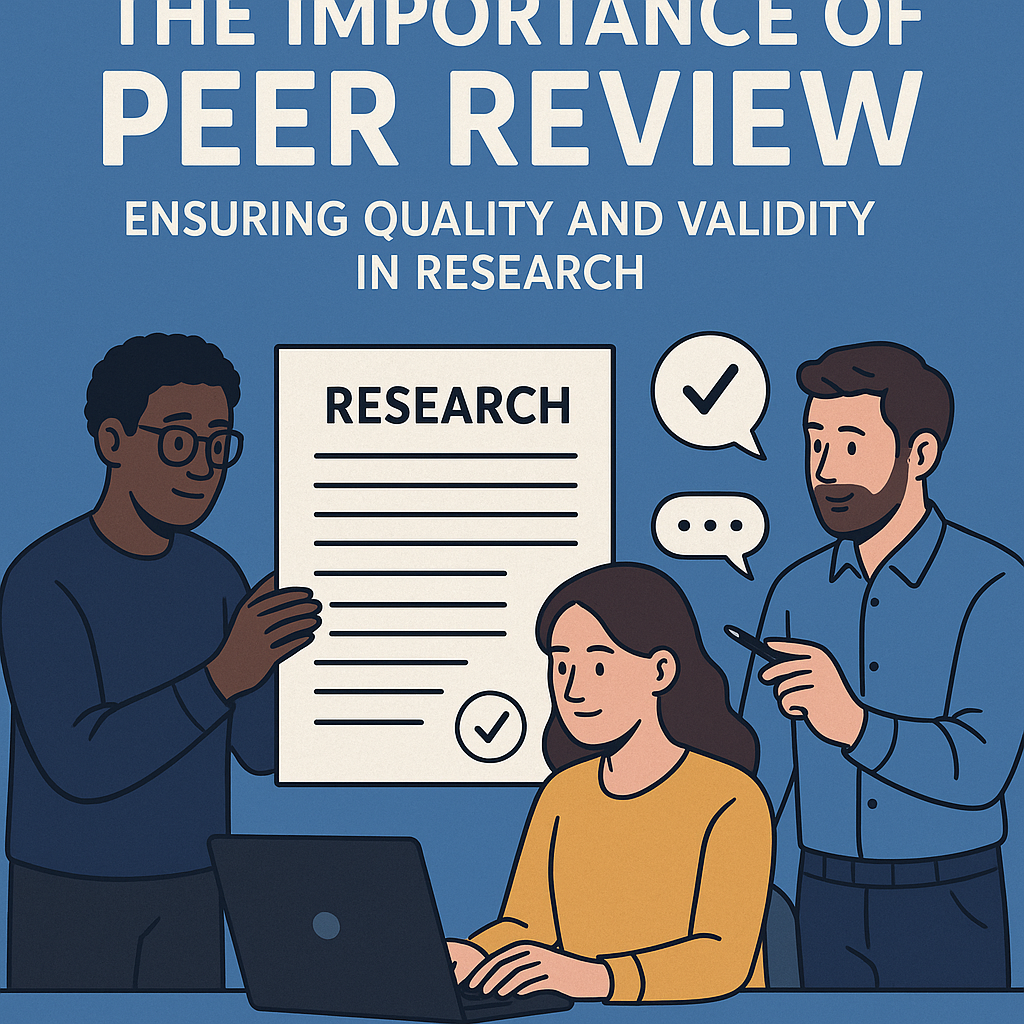
  • The Importance of Peer Review: Ensuring Quality and Validity in Research

    The Importance of Peer Review: Ensuring Quality and Validity in Research

    Today, we’re exploring a fundamental element that keeps scientific work trustworthy and robust: peer review. This process isn’t just a formality; it’s the backbone of credible research, safeguarding us from flawed findings and helping us build upon solid foundations.

    When researchers submit their manuscripts for publication, they are not merely casting them into the void of academia. Instead, these papers face a rigorous vetting process where they are scrutinized by experts in the field—peers who have a vested interest in upholding the integrity of their collective discipline. This procedure, though at times demanding and time-consuming, is absolutely essential.

    Picture this: you’ve spent months or even years conducting your research, pouring over data, experimenting, and analyzing results. The last thing you want is for your findings to be based on an error, or worse, to perpetuate misinformation. That’s where peer review steps in. It functions as an external check on the quality of work, ensuring that every claim is backed by solid evidence, and that methods are sound and replicable.

    The peer review process typically involves three stages: initial submission, review by one or more peers, and revision based on feedback. During the first stage, authors submit their manuscript for publication consideration. This can range from a research paper to a full-length article, depending on the journal’s scope. The editors then assign the submission to potential reviewers who are qualified experts in the subject matter.

    In the review phase, these peers evaluate the manuscript’s relevance, methodology, results, and conclusion. Their task is to ensure that every aspect of the research meets high standards of academic rigor. This includes checking for logical flow, coherence, clarity, and adherence to the principles of the scientific method. They may also suggest revisions or recommend rejection if they find major flaws or if the work does not contribute significantly to the existing body of knowledge.

    If a manuscript passes the initial review, it moves to the revision stage. Authors must address the reviewers’ comments and criticisms. This can involve substantial reworking of the text, correction of errors, and reanalysis of data. The goal here is to produce a polished piece that accurately reflects the research conducted, with all its complexities and nuances.

    Some might wonder why go through such trouble? The answer lies in the credibility and reliability of scientific research. Peer review acts as a quality filter, reducing the risk of publishing works that are not up to par. It ensures that what gets published is not just novel or intriguing but also valid and trustworthy. This is crucial not only for maintaining the reputation of academic journals and publishers but also for the entire scientific community. Each piece of research builds on what came before it, and flawed work can lead to erroneous conclusions being accepted as truth.

    Moreover, peer review encourages transparency and replication. Researchers must disclose their methods and data, enabling others to test their results and validate them independently. This open exchange fosters collaboration and advances our collective understanding.

    However, not all peer review processes are created equal. Some journals have rigorous standards and multiple rounds of review, while others may not be as stringent. As a consumer of academic literature, it’s important to look for journals with reputations for high-quality peer review.

    In conclusion, the peer review process is an indispensable part of scientific research, ensuring the work we rely on is sound and truthful. It’s a collaborative effort that not only guards against errors but also drives innovation and progress in our understanding of the world. So next time you read a research article, remember the tireless reviewers who worked to make it a reliable source of information. And for those embarking on their research journeys, embrace the peer review process—it’s your ticket to contributing to the collective body of knowledge with confidence and credibility. Thanks for reading, and see you next week!

  • The Importance of Breaks: How Downtime Can Boost Your Productivity

    The Importance of Breaks: How Downtime Can Boost Your Productivity

    As someone who’s spent countless hours working on projects and meeting deadlines, I’m sure you’re familiar with the feeling of burnout that comes with prolonged periods of focus. It’s a state where your mind is numb, and all you want to do is check out for a while. But what if I told you that taking breaks isn’t just a necessary evil – it can actually boost your productivity?

    Research has shown that our brains are capable of concentrating for about 60-90 minutes before they need a rest. This concept is known as the Ultradian Rhythm, and it’s essential to understand how it works if you want to optimize your work sessions. When you push through without taking a break, you’re essentially working against the natural flow of your brain’s energy levels.

    When you do take breaks, you’re giving yourself permission to relax and recharge. This might mean stepping away from your desk for a few minutes, going for a walk, or practicing some light stretching exercises. By doing so, you’re allowing your brain to enter a state of relaxation, which is essential for memory consolidation and learning.

    One of the most significant benefits of taking breaks is that it helps you come back to your work with renewed focus and energy. When you take a break, you’re giving yourself time to relax and recharge, which means you’ll be more productive when you get back to work. In fact, studies have shown that taking regular breaks can increase productivity by up to 30%.

    Another benefit of taking breaks is that it helps reduce stress and anxiety. When you’re working on a project for an extended period, it’s easy to get caught up in the pressure to meet deadlines and deliver results. But when you take a break, you’re giving yourself time to step away from the stress and anxiety that comes with your work.

    Now, I know what you might be thinking – “But Robert, I don’t have time for breaks! I’ve got too much work to do.” And I get it, we all feel like we’re drowning in a sea of tasks at some point. But here’s the thing: taking breaks isn’t just about giving yourself time off from work; it’s also about making yourself more productive in the long run.

    When you take regular breaks, you’re allowing yourself time to rest and recharge, which means you’ll be more focused and energized when you get back to work. And by reducing stress and anxiety, you’re actually helping yourself to become a better worker. It might seem counterintuitive, but trust me, taking breaks is one of the most effective ways to boost your productivity.

    So how can you start incorporating breaks into your daily routine? Here’s what I recommend: take short breaks every hour or so to stretch, move around, and rest your eyes. You can also try taking longer breaks every few hours to go for a walk or do some light exercise. And don’t be afraid to prioritize self-care – whether that means reading a book, taking a nap, or practicing yoga, make sure you’re giving yourself time to relax and recharge.

    In the end, it’s all about finding that balance between work and rest. By taking breaks and prioritizing your well-being, you’ll be amazed at how much more productive you become. So go ahead, take a break – your brain (and your body) will thank you.

  • Understanding the Risks of Collaboration: Navigating International Partnerships Safely

    Understanding the Risks of Collaboration: Navigating International Partnerships Safely

    As businesses expand globally, international partnerships have become a crucial component of success. Collaborations with foreign entities can bring in new markets, technologies, and expertise, but they also introduce unique risks that must be carefully managed. In this article, we’ll delve into the potential hazards of collaboration and offer practical guidance on how to navigate these relationships safely.

    One of the most significant risks associated with international partnerships is cultural and language barriers. When working with partners from diverse backgrounds, there’s a high likelihood of miscommunication, misunderstandings, and misaligned expectations. To mitigate this risk, it’s essential to establish clear communication channels and invest time in learning about your partner’s culture, values, and business practices.

    Another critical consideration is the regulatory environment. Different countries have distinct laws and regulations that govern business activities, intellectual property, and consumer protection. Failure to comply with these regulations can result in costly fines, reputational damage, or even legal action. It’s vital to conduct thorough research on your partner’s jurisdiction and ensure you’re aware of any applicable laws and regulations.

    Intellectual property (IP) is another sensitive area that requires careful attention when collaborating with international partners. The risk of IP theft, misappropriation, or unauthorized use is substantial, particularly in countries with weaker IP protections. To minimize this risk, it’s crucial to include robust IP protection clauses in your partnership agreements and conduct regular audits to monitor compliance.

    Lastly, the risk of reputational damage should not be underestimated. A single misstep or controversy can have far-reaching consequences for both parties involved. It’s essential to establish a strong reputation management framework that includes monitoring social media, news outlets, and industry publications to quickly respond to any negative developments.

    So, how can you navigate international partnerships safely? First, take the time to research your potential partners thoroughly, including their business practices, values, and regulatory environment. Establish clear communication channels and invest in cultural training to ensure everyone is on the same page. Include robust IP protection clauses in your partnership agreements and conduct regular audits to monitor compliance.

    It’s also crucial to establish a strong reputation management framework that includes monitoring social media, news outlets, and industry publications. Finally, be prepared for the unexpected by having a contingency plan in place to address any issues that may arise during the collaboration.

    By taking these precautions seriously and being mindful of the potential risks associated with international partnerships, you can minimize the likelihood of complications and maximize the benefits of collaboration. With careful planning, effective communication, and robust risk management, your business can successfully navigate the complexities of global partnerships and reap the rewards of a thriving, interconnected world.

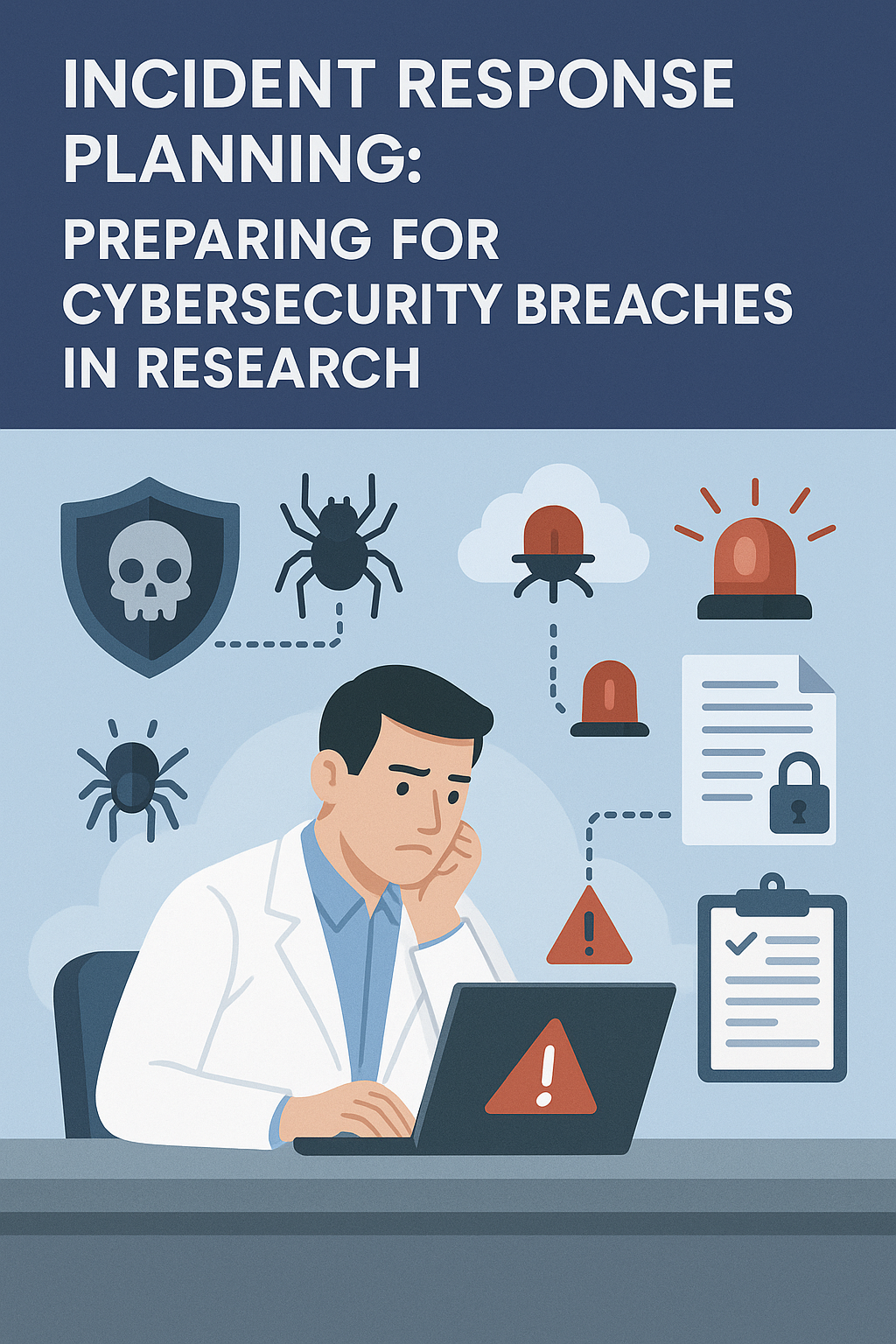
  • Incident Response Planning: Preparing for Cybersecurity Breaches in Research

    Incident Response Planning: Preparing for Cybersecurity Breaches in Research

    As a researcher, you’re no stranger to working with data, but that also means you’re more vulnerable to cyber threats. A single breach can compromise the integrity of your research, damage your reputation, and put sensitive information at risk. That’s why having a solid incident response plan is crucial.

    Developing an incident response plan requires careful consideration of various factors, including the type of data you work with, the level of access to that data, and the potential consequences of a breach. It’s not about being paranoid; it’s about being prepared for the unexpected.

    Start by conducting a risk assessment to identify potential vulnerabilities in your research environment. This could include reviewing your laboratory’s network architecture, analyzing user behavior patterns, and evaluating third-party vendor relationships. What you’re looking for are areas where an attacker could potentially gain access to sensitive data or disrupt your operations.

    Once you’ve identified high-risk areas, it’s time to develop a response strategy. This should include procedures for containing the breach, isolating affected systems, and notifying stakeholders – including your institution’s IT department, as well as regulatory bodies if necessary. It’s also essential to have a plan in place for restoring systems and data to normal operations.

    Another critical aspect of incident response planning is communication. You’ll need to establish clear channels with team members, collaborators, and stakeholders to ensure everyone is on the same page. This includes providing regular updates on the status of the breach and any subsequent remediation efforts.

    In addition to these core elements, consider incorporating a culture of security into your research environment. This means educating researchers about cybersecurity best practices, such as using strong passwords, keeping software up-to-date, and being cautious when handling sensitive data.

    By investing time and effort into developing an incident response plan, you’ll be better equipped to handle the unexpected and protect your research from cyber threats. Remember, it’s not just about responding to breaches; it’s about creating a culture of resilience that prioritizes security throughout every stage of your research process.

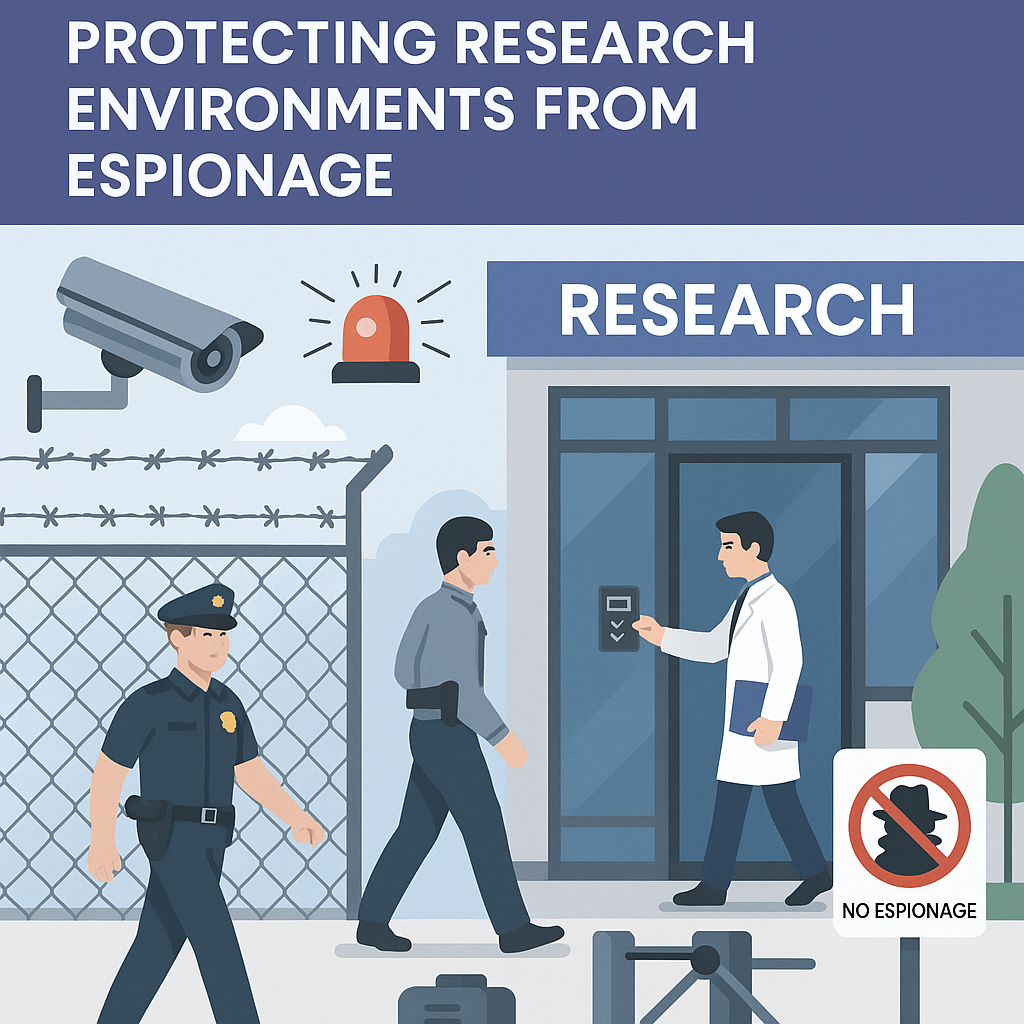
  • Physical Security Measures: Protecting Research Environments from Espionage

    Physical Security Measures: Protecting Research Environments from Espionage

    As researchers, we are driven by curiosity and a desire to advance our understanding of the world. However, this pursuit of knowledge comes with a responsibility to safeguard sensitive information and protect our research environments from those who would seek to misuse it. In today’s complex landscape, espionage is a very real threat that can compromise not only our data but also the integrity of our work.

    The consequences of falling victim to espionage are far-reaching, damaging not just our individual reputations but also the trust we have built with our colleagues, partners, and stakeholders. The risk of intellectual property theft, sabotage, or even worse – physical harm – is ever-present, making it essential that we prioritize physical security measures to safeguard our research environments.

    One of the most critical aspects of protecting our research environments is understanding the nature of espionage threats. These threats can take many forms, from low-level industrial espionage to sophisticated state-sponsored hacking operations. They often rely on social engineering tactics, exploiting human vulnerabilities to gain access to sensitive information or facilities. This highlights the importance of robust security protocols that not only prevent unauthorized access but also educate and train our researchers on these types of threats.

    Physical barriers such as secure doors, gates, and fencing can be effective deterrents, but they must be complemented by more sophisticated measures. For instance, advanced biometric authentication systems, CCTV cameras, and motion sensors can provide an additional layer of protection against would-be intruders. Moreover, the implementation of a robust access control system that requires multiple layers of verification can make it much harder for unauthorized individuals to gain access to our facilities.

    Another critical aspect of physical security is the importance of secure storage and disposal of sensitive materials. This includes not only lab equipment but also electronic devices, documents, and other potentially compromised items. The use of secure shredding services or encryption can help protect against data breaches and intellectual property theft.

    In addition to these measures, it’s also essential that we prioritize a culture of security awareness within our research teams. By educating researchers on the risks associated with espionage and providing them with the necessary training and resources to stay safe, we can significantly reduce the likelihood of an incident occurring in the first place. This includes regular drills, security audits, and ongoing updates to our security protocols.

    Ultimately, protecting our research environments from espionage requires a comprehensive approach that combines physical security measures, technical solutions, and a culture of awareness and education. By taking a proactive and multi-faceted approach to physical security, we can safeguard not only our data but also the integrity of our work, ensuring that our contributions to science and society remain genuine and trustworthy.

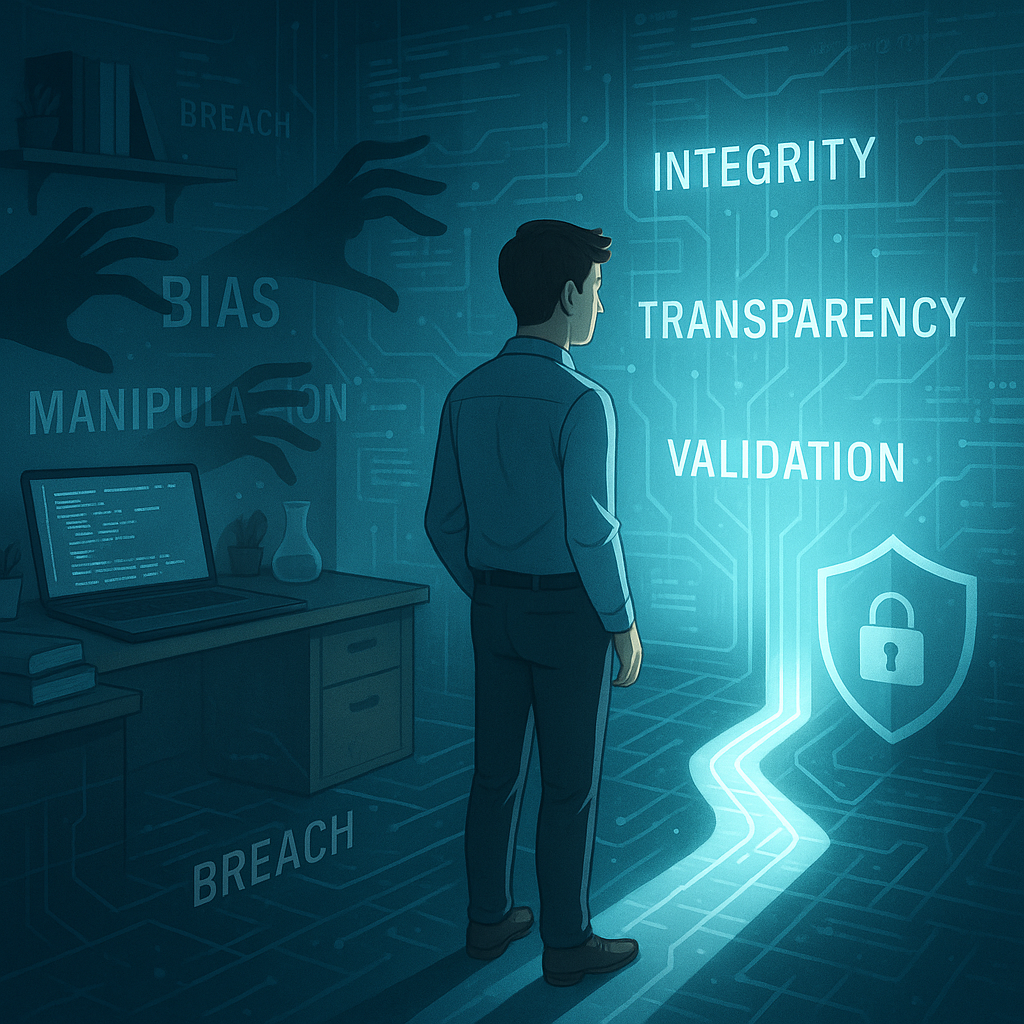
  • Navigating Subjective Traps: The Role of Cybersecurity in Research Integrity

    Navigating Subjective Traps: The Role of Cybersecurity in Research Integrity

    As researchers, we’re constantly on the lookout for innovative methods to advance our fields and push boundaries. However, this pursuit of progress can sometimes lead us down a path where we’re more focused on individual achievements than on maintaining the highest standards of integrity.

    One area that’s often overlooked in the quest for research excellence is cybersecurity. While it’s easy to dismiss cybersecurity as a secondary concern, I’d argue that it plays a critical role in ensuring the integrity of our work. When we fail to prioritize cybersecurity, we risk compromising not just our data, but also the trust and credibility of our institutions.

    Take, for instance, a recent study that found millions of research papers vulnerable to hacking. The consequences were severe: sensitive information was exposed, intellectual property was compromised, and the entire field of research was put at risk. Such incidents highlight the need for researchers to take cybersecurity seriously and implement robust measures to protect their work.

    Of course, it’s easy to get caught up in the day-to-day demands of research and overlook this critical aspect of our work. But I’d caution against taking a “wait-and-see” approach. The reality is that cyber threats are becoming increasingly sophisticated, and if we don’t adapt, we risk falling victim to these attacks.

    So what can researchers do to navigate the subjective traps of cybersecurity? Firstly, it’s essential to recognize that cybersecurity is not just about technology; it’s also about culture and mindset. We need to foster an environment where researchers feel empowered to speak up when they suspect a security breach or unethical behavior.

    Secondly, we need to invest in robust cybersecurity protocols and training programs. This includes keeping our research software and tools up-to-date, conducting regular security audits, and providing ongoing education and awareness about cyber threats.

    Finally, we must also acknowledge that cybersecurity is not a one-time fix; it’s an ongoing process that requires constant vigilance and attention. By prioritizing cybersecurity, we can ensure that our research remains robust, reliable, and free from the scourge of data breaches and intellectual property theft.

    Ultimately, as researchers, we have a responsibility to uphold the highest standards of integrity in our work. Cybersecurity is not just a nicety; it’s a necessity. By taking proactive steps to protect our research, we can maintain the trust and credibility of our institutions, advance our fields, and make meaningful contributions to society.