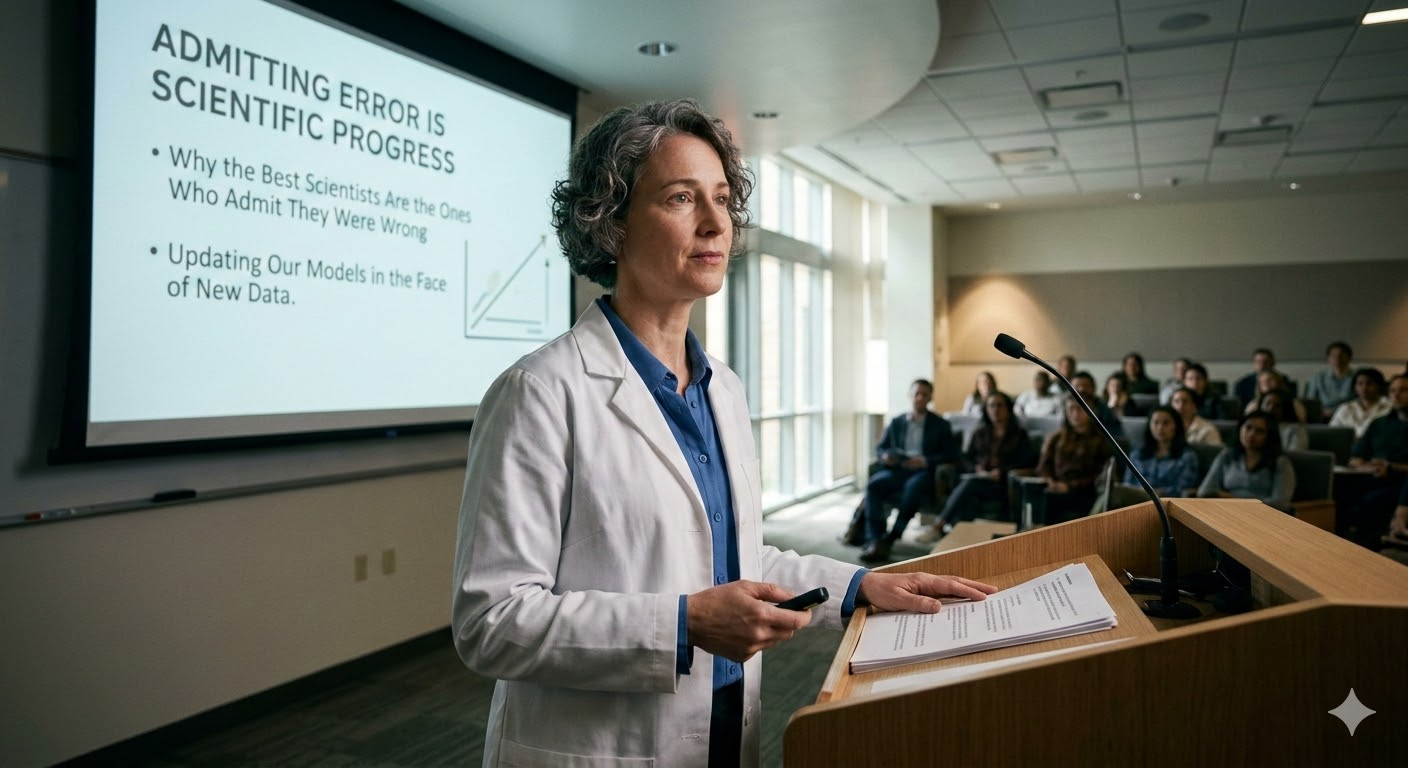
In the world of research, integrity is paramount. Whether you’re a seasoned scholar or a student embarking on your academic journey, owning up to mistakes is not only a sign of professionalism but also a critical component of ethical conduct. Let’s shed some light on why this is so important.

Research is about uncovering truths and expanding our collective knowledge. However, perfection is an elusive goal, and every researcher will inevitably encounter errors or make mistakes along the way. The key difference lies in how those mistakes are handled. When we fail to take ownership of our slip-ups, it undermines the trust that underpins scientific discourse and can have cascading effects on the entire field.
Acknowledge your mistakes
First off, acknowledging mistakes fosters credibility. When researchers honestly report their errors, it demonstrates a commitment to the truth above personal accolades. This transparency builds trust among peers and institutions alike. It tells your audience, “I am fallible like anyone else, but I strive for accuracy,” which is a powerful message that resonates deeply within the academic community.
Moreover, owning up to mistakes drives scientific progress. If errors are swept under the rug, they perpetuate falsehoods and hinder future research from progressing correctly. By admitting where we’ve gone wrong, we provide opportunities for other researchers to learn from our missteps and correct their own paths. It’s a cycle of continuous improvement that propels science forward.
A Lesson To Be Learned
Mistakes also offer valuable lessons. They reveal flaws in methodologies, expose biases in analysis, and highlight the need for better processes and controls. These insights can be invaluable for refining future projects and contributing to the collective knowledge pool. But only if we acknowledge them openly.
Additionally, taking responsibility for errors can save an individual’s career. In academia, reputation is everything. A single, unaddressed mistake can tarnish that reputation irreparably. However, by being forthright about where you’ve faltered, you’re signaling a willingness to learn and adapt. This resilience is often admired and respected, even in the face of error.
It’s also worth noting that accountability doesn’t just apply to individual researchers. Institutions play a critical role here too. A supportive environment that encourages openness and learning from errors helps to cultivate a culture where mistakes are seen as opportunities for growth rather than liabilities.
Accountability in research is not just about adhering to formalities; it’s about fostering an environment where honesty, learning, and integrity are cherished values. By owning our mistakes, we reaffirm our commitment to truth and progress, ensuring that the work we do contributes positively to the world. Remember, it’s through acknowledging our imperfections that we truly excel. Let’s take responsibility for our mistakes and move forward with a stronger, more reliable scientific foundation.
Leave a Reply