Tag: time management

  • Financial discipline could keep you out of jail

    Financial discipline could keep you out of jail

    When it comes to research labs, the heart and soul of their operation is innovation and discovery, powered by a well-planned budget. Without a solid financial strategy, even the most groundbreaking ideas can come to a screeching halt due to lack of resources or mismanagement. That’s why mastering the art of budgeting for research is not just a skill but a necessity for anyone leading a lab.

    The goal isn't just to allocate money; it's to allocate the right amount in the right areas that will maximize your lab's potential. Start by gathering all the necessary data on past expenditures, current projects' costs, and projected future needs.

    First things first

    Let’s talk about setting up a realistic budget. The goal isn’t just to allocate money; it’s to allocate the right amount in the right areas that will maximize your lab’s potential. Start by gathering all the necessary data on past expenditures, current projects’ costs, and projected future needs. This historical perspective will provide a baseline for creating a comprehensive budget that accounts for regular expenses like supplies, equipment, personnel salaries, and incidental costs.

    Once you’ve compiled this information, categorize these expenses into fixed and variable costs. Fixed costs include items like rent, utilities, and salaries that don’t change from month to month. Variable costs fluctuate with the volume of work or projects in progress, such as consumables, contractual services, and travel expenses. Understanding the difference between the two helps in predicting and planning for financial surprises.

    With a clear picture of your budgetary landscape, it’s time to prioritize. Not all aspects of research are created equal, and some areas require more funding than others to ensure success. Use a priority matrix to weigh the importance of each area against its cost. High-importance, high-cost items should be your focus, followed by high-importance, low-cost items. This strategy ensures that your lab remains competitive while optimizing resource allocation.

    Financial Flexibility

    Equally important is the need for flexibility within your budget. Life, as they say, happens in research just as it does elsewhere. Project timelines may shift, or unexpected opportunities might arise. Build contingency funds into your budget to handle these unforeseen circumstances. This buffer provides breathing room and prevents costly interruptions to critical projects.

    When it comes to managing your research budget, transparency is key. Keep detailed records of all expenditures and regularly report on financial performance to stakeholders, including senior management and researchers. This open line of communication fosters trust and encourages responsible spending, as everyone is aware of the budget’s limits and the lab’s financial goals.

    In addition, technology can be a significant ally in effective budgeting. Software solutions are available that provide real-time monitoring and analysis of financial data. These tools automate the tracking of expenditures and generate reports at the touch of a button. Implementing such tech not only streamlines the budgeting process but also reduces the risk of errors, ensuring that every dollar is accounted for.

    Finally, don’t forget about the human element in your budget planning. Salaries are often the biggest expense in a lab’s budget and directly impact the team’s morale and productivity. Investing in your people by offering competitive salaries and professional development opportunities can yield significant returns in terms of innovative research and retention of talent.

    Budgeting for research is not an exact science but rather an art that requires careful planning, flexibility, and continuous evaluation. By approaching it systematically, with a clear understanding of the lab’s priorities and a commitment to transparency, you’ll lay the foundation for financial success that supports groundbreaking work. Remember, the more thoughtfully you manage your budget, the more impact your research can have on the world. Happy budgeting!

  • Procrastination is a time management killer

    Procrastination is a time management killer

    Procrastination is a notorious thief of time and productivity, plaguing the lives of students, professionals, and individuals from all walks of life. But why do we procrastinate? More importantly, how can we overcome this habit and embrace effective time management? Let’s delve into strategies that will help you to harness your time efficiently, banish procrastination, and ultimately revolutionize your productivity.

    Overcoming Procrastination: Strategies for Effective Time Management

    Firstly, it’s essential to understand that procrastination is often a symptom of poor time management. It’s not just about laziness; rather, it’s about feeling overwhelmed by tasks or the fear of not meeting expectations. When faced with an enormous to-do list or a daunting project, we instinctively reach for distractions as a way to cope with our anxiety.

    To conquer procrastination, start by breaking down large tasks into smaller, manageable pieces. This approach transforms a formidable challenge into a series of less intimidating steps. By creating a detailed action plan and setting specific, achievable goals, you not only alleviate the pressure but also create a clearer path towards completion.

    Another powerful strategy against procrastination is to set deadlines that are both realistic and strict. Deadlines act as external motivators; they push us to prioritize and execute tasks promptly. When you commit to tight deadlines, you reduce the likelihood of falling into the procrastination trap. This method helps cultivate a sense of urgency and keeps your momentum steady.

    Furthermore, eliminate distractions. Whether it’s your phone, social media, or even cluttered workspaces, these interruptions can significantly impede your progress. Create an environment that is conducive to focus and productivity. Consider using tools like website blockers or time-tracking apps to keep you on track and minimize the allure of procrastination.

    The Pomodoro Technique is also a valuable ally. This method involves working in focused bursts (typically 25 minutes long) followed by short breaks. This cyclical pattern helps maintain concentration levels, prevents burnout, and makes the passage of time feel less daunting. After each Pomodoro, take a few minutes to assess your progress and adjust your strategy if necessary.

    Self-awareness plays a critical role in managing procrastination. Reflect on your personal patterns and triggers. Are you more likely to procrastinate during certain times of day? Do specific tasks or environments drain your motivation? Understanding these patterns allows you to preemptively address them, such as scheduling challenging tasks when your energy levels are at their peak.

    Moreover, don’t underestimate the power of accountability. Share your goals with someone who will check in on your progress or join a productivity group where you can compare experiences and strategies. The prospect of having to explain why you haven’t completed a task is often enough to spark action.

    Finally, remember that perfectionism can be a significant barrier to productivity. It’s essential to accept that ‘good enough’ is sometimes the best you can do. Embrace the value of progress over perfection, allowing yourself to learn and grow from each step, rather than waiting for everything to be perfect before moving forward.

    In conclusion, overcoming procrastination requires a multifaceted approach that combines strategic planning, self-awareness, and the implementation of practical techniques. By adopting these strategies, you can reclaim control of your time and create a more productive and fulfilling life. So, what are you waiting for? Start implementing these tips today and watch your productivity soar!

  • Continuing Education for Researchers: Staying Up-to-Date in a Rapidly Changing Field

    Continuing Education for Researchers: Staying Up-to-Date in a Rapidly Changing Field

    In the dynamic world of research, staying current is not just a professional advantage but a necessity. As new information, technologies, and methodologies emerge seemingly by the day, researchers must actively seek out continuing education to remain relevant and effective in their work. This commitment to lifelong learning ensures that researchers can contribute meaningful insights to their fields and keep pace with the fast-evolving landscape.

    Let’s dive into the importance of continuous education for researchers. It’s a journey—not a one-time event—but an ongoing pursuit that enriches both individual careers and the collective body of knowledge. So, why does this perpetual learning matter, and how can researchers incorporate it into their bustling schedules?

    First off, the research landscape is anything but static. Scientific breakthroughs, technological advancements, and societal changes happen at an unprecedented rate. Take, for instance, the rise of big data and artificial intelligence—these have fundamentally altered how research is conducted and interpreted. Without continuous education, researchers risk becoming outdated, their findings irrelevant.

    Now, imagine being a pioneer in your field but armed with yesterday’s tools and knowledge. It’s akin to a mariner lost at sea without a compass. The path ahead is foggy, uncertain. But with the latest training and insights, you’re equipped with the modern instruments that guide you safely through uncharted waters.

    Moreover, continuing education is not just about keeping up with trends but about fostering innovation. By exposing oneself to new ideas, methodologies, and technologies, researchers are inspired to think outside the box, challenge conventional wisdom, and dream up groundbreaking research projects. This creative impetus often leads to discoveries that were unimaginable without such exposure.

    So, how can researchers fit this vital education into their already packed schedules? Here are some practical strategies:

    1. Online Courses and Webinars: Platforms like Coursera, edX, and LinkedIn Learning offer a treasure trove of courses from top universities and professionals in various fields. These allow for self-paced learning, fitting seamlessly into a researcher’s schedule.
    2. Workshops and Conferences: Attending conferences and workshops can be a goldmine of information. They provide the opportunity to network with peers and learn directly from leaders in the field. Look for ones that offer a mix of presentations and interactive sessions.
    3. Mentorship Programs: Pairing up with seasoned researchers or professionals as mentors can be incredibly enriching. Mentors can provide insider knowledge, guidance, and insights into the latest research trends.
    4. Reading Journals and Books: Keeping abreast of current literature is essential. Subscribe to relevant journals, and make it a habit to read widely, even in peripheral areas related to your research.
    5. Professional Development Grants: Many institutions and funding bodies offer grants for researchers to pursue further education or attend conferences and workshops.

    In conclusion, continuing education is the lifeblood of the researcher’s profession. It keeps the mind sharp, fosters innovation, and ensures that research remains at the cutting edge. The commitment to lifelong learning is what distinguishes a seasoned scholar from an out-of-touch practitioner. So whether it’s through online courses, mentorship, workshops, or simply dedicating time to read the latest literature, it’s imperative for researchers to make continuous education a priority.

    By doing so, researchers not only enhance their own knowledge and skills but also contribute to the broader intellectual discourse, driving progress in their respective domains. Remember, as researchers, we’re not just collecting data; we’re building the future. And staying educated ensures that future is illuminated with the brightest, most current understanding possible. Until next time, keep learning!

  • Balancing Work and Life: Time Management Techniques for Personal Well-Being

    Balancing Work and Life: Time Management Techniques for Personal Well-Being

    Let’s face it – juggling a full-time job with personal commitments can feel like trying to keep a dozen balls in the air without letting any one of them drop. But mastering the art of time management is not only possible, it’s essential for maintaining your sanity and boosting your overall well-being. Here’s a look at some powerful techniques to help you balance work and life effectively.

    First up, establish clear boundaries. In a world where emails and instant messages keep our screens alight 24/7, it’s all too easy to let work seep into every corner of our lives. Set specific times for checking emails and working, and stick to them. This allows you to truly disconnect from work during your personal time, leading to a much-needed mental break that recharges your batteries.

    Next, prioritize tasks. Not all activities carry the same weight. Learn to distinguish between what’s urgent and what’s important. Use tools like the Eisenhower Box to categorize tasks based on urgency and importance, and tackle each category at its designated time slot. This method ensures that critical tasks get done promptly, while non-urgent ones don’t crowd your schedule.

    The Pomodoro Technique is another gem in the crown of time management strategies. Divide your workday into intervals using a timer, typically 25 minutes in length, followed by a short break. After four such intervals, take a longer break. This method keeps you focused and helps prevent burnout, as it trains your brain to concentrate for short bursts and rest in between.

    And don’t underestimate the power of planning. Take time at the end of each day to prepare for the next. List your tasks for the upcoming day, prioritize them, and allocate specific time slots for each. This proactive approach can significantly reduce the stress that comes from deciding what to do next minute by minute.

    Now, incorporate flexibility into your schedule to accommodate unexpected events. Life throws curveballs—meetings that run longer than expected, family emergencies, or even spontaneous fun opportunities. Be prepared to adjust your plan, but try to minimize disruptions to your main priorities.

    Additionally, don’t forget about the importance of downtime. Allocating time for hobbies, exercise, and relaxation is key to avoiding work-related fatigue and maintaining a healthy work-life balance. These activities offer mental and physical benefits that make you more productive and happier overall.

    Lastly, reflect on your progress regularly. Assess what’s working and what isn’t, tweak your strategies accordingly, and celebrate your successes. Remember, managing your time effectively isn’t just about getting things done; it’s about ensuring you have enough time to enjoy the life outside of work too.

    In conclusion, mastering time management is a skill that can profoundly enhance your quality of life. By setting boundaries, prioritizing tasks, employing strategies like Pomodoro, planning ahead, allowing flexibility, and scheduling downtime, you create a balanced schedule that supports both your professional success and personal well-being. So, turn off the work notifications, carve out your time slots, and start taking back control of your day. Your future self will thank you for it!

  • The Art of Saying No: Protecting Your Time and Energy

    The Art of Saying No: Protecting Your Time and Energy

    Another email lands in your inbox. Another “quick favor” is asked of you. Your calendar is a fortress under siege, and your default response is to open the gates: “Yes, of course.” If this sounds familiar, you’re not alone. I’ve learned—the hard way—that in our culture of perpetual busyness, the most powerful word isn’t “yes,” but “no.” Learning to say it has been the single most important skill for my success and sanity.

    The Hidden Cost of ‘Always Yes’

    In today’s world, it’s easy to get swept into the vortex of agreement. We say “yes” to more projects, more meetings, and more requests, believing we’re being helpful and indispensable. But this path often leads straight to burnout, exhaustion, and the suffocating feeling of being completely overwhelmed.

    I’ve watched countless talented people drown in obligations, their own passions and priorities lost beneath a sea of commitments to others. They worry that saying no will mean letting someone down or missing a golden opportunity. But here’s the crucial shift in perspective:

    Saying “no” to a new request is often saying “yes” to yourself.

    Reframe Your Thinking: ‘No’ is an Act of Self-Respect

    When we say no, we’re not rejecting a person; we are protecting our most valuable resources: our time and energy. We are acknowledging our limits and honoring our existing commitments. By strategically saying no, we stop overcommitting and become more productive, focused, and effective at the things we have said yes to.

    The biggest hurdle is often our own guilt. To overcome it, we need a dose of self-awareness. Ask yourself:

    • Why do I feel anxious saying no? Is it genuine concern for the person, or is it a people-pleasing reflex?
    • What am I afraid will happen? Disappointing someone? Seeming uncooperative?

    Once you understand the root of your hesitation, you can reframe “no” not as a negative, but as a positive declaration of self-awareness and self-respect.

    How to Deliver a Graceful ‘No’

    Of course, learning to say no doesn’t mean becoming blunt or rude. It’s about being clear, direct, and kind. It’s an exercise in assertive communication, not aggression.

    Here’s a simple framework:

    1. Acknowledge and Appreciate. Start by showing you’ve heard them and appreciate the offer or request.
    2. State Your ‘No’ Clearly. Use direct language. Avoid wishy-washy phrases like “I don’t think I can” or “I might not be able to.”
    3. Provide a Brief, Honest Reason (Optional but helpful). You don’t owe anyone a detailed explanation. A simple “My plate is full right now” or “I need to focus on my current projects” is enough.
    4. Show Respect for Their Needs. Even in refusal, you can affirm the importance of their request and wish them well.

    Scripts for Saying ‘No’ with Confidence

    Let’s put it into practice. Instead of a simple “no,” try one of these approaches:

    • For a social invitation: “Thank you so much for thinking of me! I really appreciate the invitation, but I won’t be able to make it. I’ve got a lot on my plate right now and need to protect my downtime. I hope you have a wonderful time!”
    • For a new work task: “Thanks for trusting me with this. My current project deadlines require my full attention, so I can’t take on anything new at the moment. I want to ensure I do my best work on my existing commitments.”
    • For a request for your time: “I appreciate you reaching out. Unfortunately, I’m not able to help with that right now as my schedule is committed. Best of luck with the project.”

    Your Most Valuable Skill

    Learning to say no isn’t easy, but it’s one of the most liberating skills you can develop. It’s a constant practice of self-awareness, empathy, and assertiveness.

    So, the next time you’re faced with a decision, take a breath before you answer. Ask yourself: By saying yes to this, what am I implicitly saying no to? Often, the answer is your own peace, your own priorities, and your own well-being. Choose wisely.

  • The Power of Daily Planning: How to Use the Franklin Planner Effectively

    The Power of Daily Planning: How to Use the Franklin Planner Effectively

    As Robert, I’ve had the privilege of working with numerous individuals who’ve struggled to manage their time effectively. Many have turned to various planners and tools in search of a solution, but few have found lasting success. That’s why I’m excited to share with you my expertise on how to use the Franklin Planner to revolutionize your daily planning.

    The Franklin Planner is more than just a tool – it’s a system designed to help you prioritize tasks, manage time, and increase productivity. Developed by Stephen Covey and the team at FranklinCovey, this planner has been helping individuals achieve their goals for decades. However, its full potential can only be unlocked when used correctly.

    So, what sets the Franklin Planner apart from other planners? For starters, it’s a comprehensive system that encourages you to break down large tasks into smaller, manageable chunks. This approach allows you to focus on the essentials and tackle high-priority tasks first. The planner also features a unique time-blocking system, which helps you allocate specific times for each task, minimizing distractions and maximizing efficiency.

    One of the most significant benefits of using the Franklin Planner is its emphasis on prioritization. By identifying your top priorities and tackling them first, you’ll be amazed at how much more you can accomplish in a day. The planner’s priority matrix system allows you to categorize tasks based on their urgency and importance, ensuring that you’re always working on what matters most.

    Another key aspect of the Franklin Planner is its focus on goal-setting. By setting clear, specific goals for each day, week, or month, you’ll be able to stay motivated and focused. The planner provides a space for you to write down your long-term goals and break them down into smaller, actionable steps. This approach helps you build momentum and create a sense of accomplishment.

    To get the most out of the Franklin Planner, it’s essential to establish a consistent routine. Set aside a few minutes each morning to review your schedule, prioritize tasks, and make any necessary adjustments. The planner’s daily pages provide a clear layout for planning your day, with space for notes, appointments, and reminders.

    In addition to the physical planner itself, FranklinCovey offers a range of digital tools and resources to help you stay organized. From mobile apps to online planners, their suite of tools can be tailored to meet your unique needs and preferences.

    While some may find it daunting to switch from a traditional planner or digital tool, I encourage you to give the Franklin Planner a try. With its comprehensive approach to daily planning, emphasis on prioritization, and focus on goal-setting, it’s an ideal choice for anyone looking to revolutionize their productivity. By implementing this system into your daily routine, you’ll be amazed at how much more you can accomplish in less time.

    As with any new tool or system, it’s essential to be patient and flexible. It may take some time to adjust to the Franklin Planner’s unique layout and approach, but trust me when I say that the benefits far outweigh the initial learning curve. By using this planner effectively, you’ll not only become more productive but also develop greater confidence in your ability to manage time and achieve your goals.

    So why wait? Take control of your daily planning today by incorporating the Franklin Planner into your routine. With its proven track record and comprehensive approach, I’m confident that it will help you achieve success like never before.

  • Building Routines: How Consistency Can Improve Your Time Management Skills

    Building Routines: How Consistency Can Improve Your Time Management Skills

    Let’s face it – life is chaotic. Between work commitments, family responsibilities, and personal aspirations, there often seems to be no end to the tasks that vie for our precious time and attention. Amidst this whirlwind, mastering time management is crucial for maintaining a balanced life. One of the most powerful tools at your disposal for this purpose is the art of building routines. The consistent application of routines can revolutionize the way you manage your time, turning what was once a jumbled schedule into an orchestrated symphony of productivity.

    Consistency is not just a nice idea; it’s the bedrock of effective time management. When you establish routines, you create predictable patterns in your daily life. These patterns give structure to your day and help you allocate your time more efficiently. By doing the same tasks at the same times every day, you eliminate decision fatigue— the mental exhaustion that comes from having to make too many choices. This, in turn, reduces stress and allows for clearer thinking about what truly matters.

    For instance, imagine starting your day with a 30-minute workout routine. Doing so not only provides immediate health benefits but also sets a positive tone for the rest of the day. By dedicating this time consistently, you’re less likely to procrastinate or get sidetracked by less important activities. This habit becomes automatic, freeing up mental bandwidth to focus on other, more complex tasks.

    Similarly, if you struggle with writing reports, establishing a specific time each day solely for that task can make it feel less daunting. By committing a block of time – say, 2 hours after work every Monday through Thursday – you’re training your brain to be more efficient during those periods. The routine signals to your mind that it’s time to concentrate and get down to business, bypassing the usual distractions and preoccupations.

    Moreover, routines can help you prioritize. When you consistently tackle high-priority tasks early in the day, you’re setting yourself up for success. These tasks often require the most mental energy and focus, and completing them when you’re freshest sets a productive pace that carries through the rest of your day. By the time lower-priority items come around, you’re already ticking off the more significant ones, ensuring they don’t loom over you as the day progresses.

    Consistency isn’t just about sticking to a schedule; it’s also about being adaptable when necessary. Life throws curve balls – urgent meetings, family emergencies, or sudden health issues. In these instances, your routine might need to flex. The key is to maintain the integrity of the structure while accommodating the unexpected. This means having contingency plans or being willing to rearrange certain tasks without derailing your entire day.

    Consider a flexible morning routine. Instead of rigidly adhering to a specific start time that could be disrupted by an early meeting, plan for an evening wind-down that ensures a restful night’s sleep. Begin the next day with a short meditation session or a quick review of your goals, allowing you to stay grounded and focused despite any early disruptions.

    In conclusion, building routines is a powerful way to enhance your time management skills. Consistency provides the stability needed to navigate life’s uncertainties, giving you the clarity and efficiency to accomplish more within the same 24 hours. By treating routine as an indispensable ally in your quest for productivity, you’ll find yourself not only managing time better but enjoying the peace of mind that comes with knowing you’re on top of things. So embrace the regularity, and watch as your time management skills soar to new heights. With just a little commitment each day, you can turn your time into an asset rather than a liability.

  • Time Management for Students: Strategies for Academic Success

    Time Management for Students: Strategies for Academic Success

    Hey there, aspiring scholars! Here are some gold nuggets to help you conquer the mountainous pile of assignments and exams looming over your heads. Let’s dive into strategies that will revolutionize how you approach your academic workload.

    First off, let’s address the elephant in the room: Procrastination. We’ve all been there, staring at a blank screen while Instagram calls our name. The secret? Start with the hardest task first thing in the morning. You’ll tackle it when your brain is fresh and before it starts to feel like wading through molasses. Plus, crossing it off the list will give you that satisfying rush that makes everything else seem a breeze.

    Next, set yourself up for success by creating a study schedule. This isn’t about chaining yourself to a desk from dawn till dusk; it’s about setting aside specific times each day when you’ll focus on your studies. Think of it as carving out mental real estate. Your brain will get used to the rhythm and make studying almost second nature.

    Now, let’s talk about creating a productive workspace. Keep it tidy and free from distractions—no piles of dirty laundry or buzzing phones. A clean environment can help keep your mind focused. Also, consider lighting. Natural light is ideal, but if you’re working at night, soft, warm lighting can help prevent eye strain.

    Another gem: Use a planner or digital calendar to jot down deadlines and important tasks. This way, you won’t find yourself scrambling at the eleventh hour. Allocate time for each task and stick to your schedule. It’s like laying out a roadmap to your academic achievements. And don’t forget to color code! It adds a dash of fun to organization.

    Breaks are crucial too. Think of your brain like a high-performance car; it needs time to cool down and recharge after driving hard. Take short breaks between study sessions, use techniques like the Pomodoro Technique (25 minutes of work followed by a 5-minute break), and you’ll find that your productivity soars.

    Moreover, harness the power of technology—there are apps galore designed to help manage time wisely. Whether it’s for blocking distracting websites or reminding you to take breaks, these tools can be your best allies.

    As you incorporate these strategies into your academic life, remember to be flexible. Things happen. Plans change. What’s important is that you adapt and keep moving forward. Being resilient in the face of unexpected challenges will serve you well beyond the classroom.

    Finally, don’t forget to prioritize self-care. Getting enough sleep, eating well, and staying active are not luxuries; they’re necessities for a sharp mind and a stress-free life. You can’t pour from an empty cup, so fill yours with nutritious treats and quality rest.

    In summing up, mastering time management is about taking control of your academic journey, setting realistic goals, and making every moment count. By embracing these strategies, you’ll find yourself soaring towards the top of your class, ready to tackle any challenge that comes your way. Good luck, student warriors! Now go conquer those assignments.

  • Simplifying Complex Tasks: Problem-Solving Techniques for Everyday Challenges

    Simplifying Complex Tasks: Problem-Solving Techniques for Everyday Challenges

    When faced with complex tasks, it can feel like wading through a dense jungle without a machete. But don’t let the complexity of your daily challenges overwhelm you. By employing the right problem-solving techniques, these seemingly insurmountable tasks become navigable pathways to success. This newsletter will guide you through the jungle, providing you with effective strategies to simplify and conquer your problems, making your everyday life smoother and more efficient.

    First and foremost, adopt the ‘Break it Down‘ approach. Complex problems are often the sum of several smaller issues that, when isolated and tackled individually, become much easier to handle. Breaking a large problem into manageable parts not only reduces its intimidating nature but also allows you to focus on one aspect at a time. This method is akin to eating an elephant; it’s still a daunting task, but if you take one bite at a time, the elephant becomes a series of digestible meals.

    Another powerful technique is brainstorming, a process where you and your team (or even just yourself) generate as many ideas as possible about potential solutions. By setting aside judgment and allowing your thoughts to flow freely, you can discover creative solutions that might have remained hidden behind conventional thinking. Remember, not every idea needs to be perfect at the start – the initial phase of brainstorming is about quantity, not quality. Once you’ve collected a multitude of suggestions, filter them based on feasibility, cost-effectiveness, and potential impact.

    Let’s also talk about the ‘Trial and Error’ method. This technique involves implementing a solution, assessing its effectiveness, and refining or discarding it as necessary. This approach is particularly useful when the problem is unfamiliar or lacks a straightforward solution. Each attempt provides valuable insights and helps in adjusting future strategies. The key here is to learn from every iteration, making each cycle more efficient until you hit upon a viable solution.

    Sometimes, stepping away from the problem can provide the clarity you need. This strategy, known as ‘Taking a Break‘, allows your mind to rest, reducing stress and giving your subconscious time to process information. During this pause, engaging in leisure activities or simply resting can lead to an “aha!” moment when you least expect it. Returning to the problem with a refreshed perspective often unveils simple solutions that were previously overlooked.

    And let’s not forget the power of collaboration and seeking advice from others. Talking to peers, mentors, or experts can provide fresh viewpoints and expertise that you might not have considered on your own. This technique is like looking at a puzzle through someone else’s eyes; they might see a piece that fits where you only saw blank space. Be open to feedback and willing to accept that sometimes, the solution lies in combining different ideas from various sources.

    In conclusion, simplifying complex tasks is about applying the right strategies and not being afraid to experiment. Remember, every problem solver was once a novice, stumbling through their first maze of complexity. With patience, practice, and the willingness to learn from your experiences, you’ll find yourself navigating these challenges with increasing ease. Embrace the process, trust your ability to adapt and solve, and soon enough, what once seemed impossibly complex will become just another part of your daily routine conquered with confidence.

    Next time you encounter a daunting task, apply these techniques with the mindset of someone ready to tackle any obstacle. Your problems won’t stand a chance against your newfound problem-solving prowess. And as you master each challenge, you’ll discover not only solutions to your immediate concerns but also a sense of empowerment that will carry you through future difficulties with ease.

  • The 7 Habits of Highly Effective People: A Time Management Perspective

    The 7 Habits of Highly Effective People: A Time Management Perspective

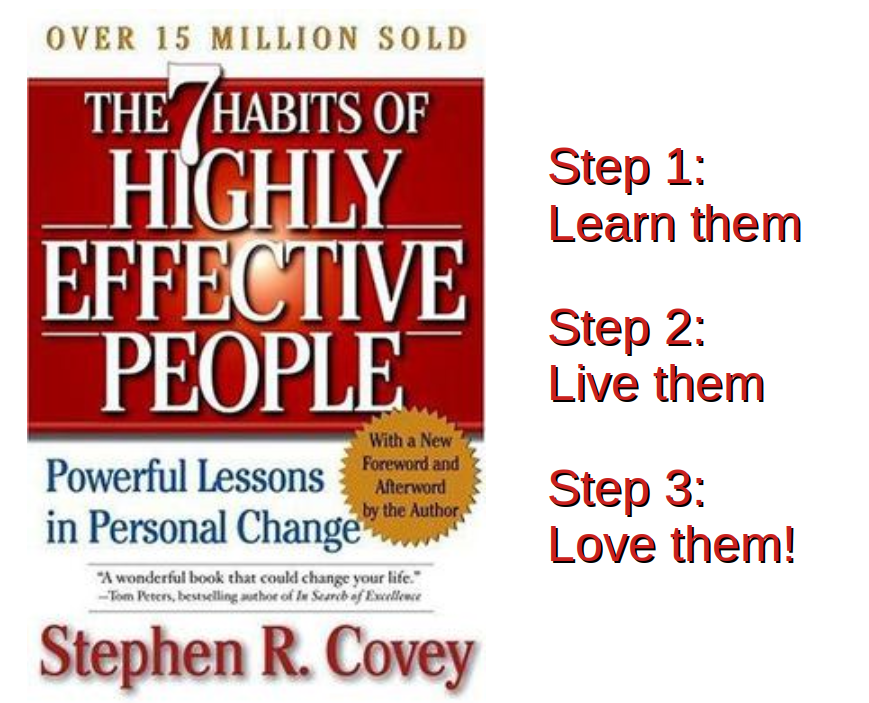
    Time management is an elusive concept that many of us grapple with daily. With the constant barrage of work, family commitments, and personal aspirations, it’s easy to feel like we’re spinning our wheels, trying to keep up. But what if there was a blueprint—a set of habits—that could not only help you manage your time more effectively but also lead you to greater personal and professional success? Enter the 7 Habits of Highly Effective People, a seminal work by Dr. Stephen R. Covey.

    Covey’s habits are not just about squeezing more tasks into a day; they’re about prioritizing what truly matters, developing win-win relationships, and building self-awareness and integrity. Let’s dive into how each habit can transform your approach to time management.

    1. Be Proactive: The first habit is about taking responsibility for your life. It means choosing to act rather than react. By doing this, you control the agenda rather than letting circumstances dictate your actions. This proactive stance allows you to anticipate problems and plan solutions ahead of time, giving you a buffer against time-consuming crises.
    2. Begin with the End in Mind: Visualize your ideal future self and understand your core values and goals. This habit guides your daily actions, making sure that everything you do aligns with your vision. When you’re clear about your end goal, time-wasting distractions fall away as you focus on what truly advances you toward your objectives.
    3. Put First Things First: Prioritize tasks based on their importance and urgency. The principle here is to tackle the most crucial and time-sensitive tasks first, ensuring that what really matters gets done. By doing so, you avoid getting bogged down with less important activities that steal away precious time.

    4.). Think Win-Win: Create relationships where both parties benefit. This habit promotes mutual respect and collaboration, saving time and energy from unnecessary conflicts. By fostering positive interactions, you can streamline your interactions, turning potentially contentious encounters into productive partnerships.

    1. Seek First to Understand, Then to Be Understood: Good communication is key to effective time management. Active listening ensures that you fully grasp others’ needs and concerns before voicing your own. This habit cuts down on misunderstandings and the need for repeated explanations, saving you hours of wasted time in conversations.
    2. Synergize: Work with others to achieve more than you could alone. Synergy means finding creative solutions that are greater than the sum of individual efforts. When you collaborate effectively, tasks can be accomplished faster and with better results—effectively leveraging the strengths and skills of those around you.
    3. Sharpen the Saw: Self-renewal through balanced growth is essential for long-term effectiveness. This habit is all about maintaining a healthy work-life balance. Regularly investing in your physical, mental, and emotional well-being means you’ll be more productive and less likely to burn out, allowing you to manage your time wisely.

    Implementing these habits requires conscious effort and consistent practice. But once you adopt them, they become powerful tools to reclaim control over your time. By prioritizing your life according to these principles, you can eliminate unnecessary tasks, streamline your workflow, and make every moment count.

    In essence, effective time management is about making deliberate choices that reflect your values and align with your vision. The 7 Habits of Highly Effective People provide a framework to help you do just that. So, why not start today? Adopt these habits, and experience the freedom that comes from having control over your time. Your future self will thank you for it.