As researchers, we’re constantly on the lookout for innovative methods to advance our fields and push boundaries. However, this pursuit of progress can sometimes lead us down a path where we’re more focused on individual achievements than on maintaining the highest standards of integrity.
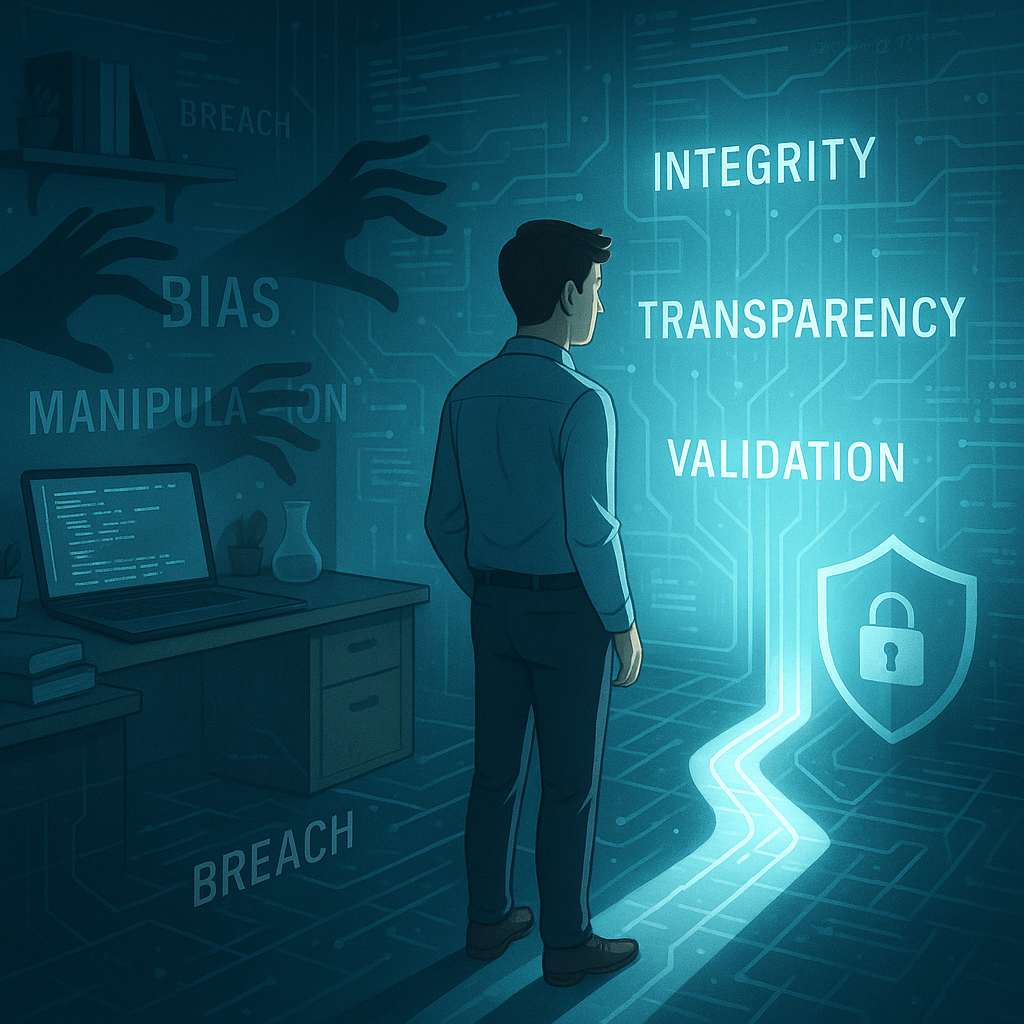
One area that’s often overlooked in the quest for research excellence is cybersecurity. While it’s easy to dismiss cybersecurity as a secondary concern, I’d argue that it plays a critical role in ensuring the integrity of our work. When we fail to prioritize cybersecurity, we risk compromising not just our data, but also the trust and credibility of our institutions.
Take, for instance, a recent study that found millions of research papers vulnerable to hacking. The consequences were severe: sensitive information was exposed, intellectual property was compromised, and the entire field of research was put at risk. Such incidents highlight the need for researchers to take cybersecurity seriously and implement robust measures to protect their work.
Of course, it’s easy to get caught up in the day-to-day demands of research and overlook this critical aspect of our work. But I’d caution against taking a “wait-and-see” approach. The reality is that cyber threats are becoming increasingly sophisticated, and if we don’t adapt, we risk falling victim to these attacks.
So what can researchers do to navigate the subjective traps of cybersecurity? Firstly, it’s essential to recognize that cybersecurity is not just about technology; it’s also about culture and mindset. We need to foster an environment where researchers feel empowered to speak up when they suspect a security breach or unethical behavior.
Secondly, we need to invest in robust cybersecurity protocols and training programs. This includes keeping our research software and tools up-to-date, conducting regular security audits, and providing ongoing education and awareness about cyber threats.
Finally, we must also acknowledge that cybersecurity is not a one-time fix; it’s an ongoing process that requires constant vigilance and attention. By prioritizing cybersecurity, we can ensure that our research remains robust, reliable, and free from the scourge of data breaches and intellectual property theft.
Ultimately, as researchers, we have a responsibility to uphold the highest standards of integrity in our work. Cybersecurity is not just a nicety; it’s a necessity. By taking proactive steps to protect our research, we can maintain the trust and credibility of our institutions, advance our fields, and make meaningful contributions to society.
 Pickett Applied Technologies Laboratories
Leave a comment