As researchers, we are driven by curiosity and a desire to advance our understanding of the world. However, this pursuit of knowledge comes with a responsibility to safeguard sensitive information and protect our research environments from those who would seek to misuse it. In today’s complex landscape, espionage is a very real threat that can compromise not only our data but also the integrity of our work.
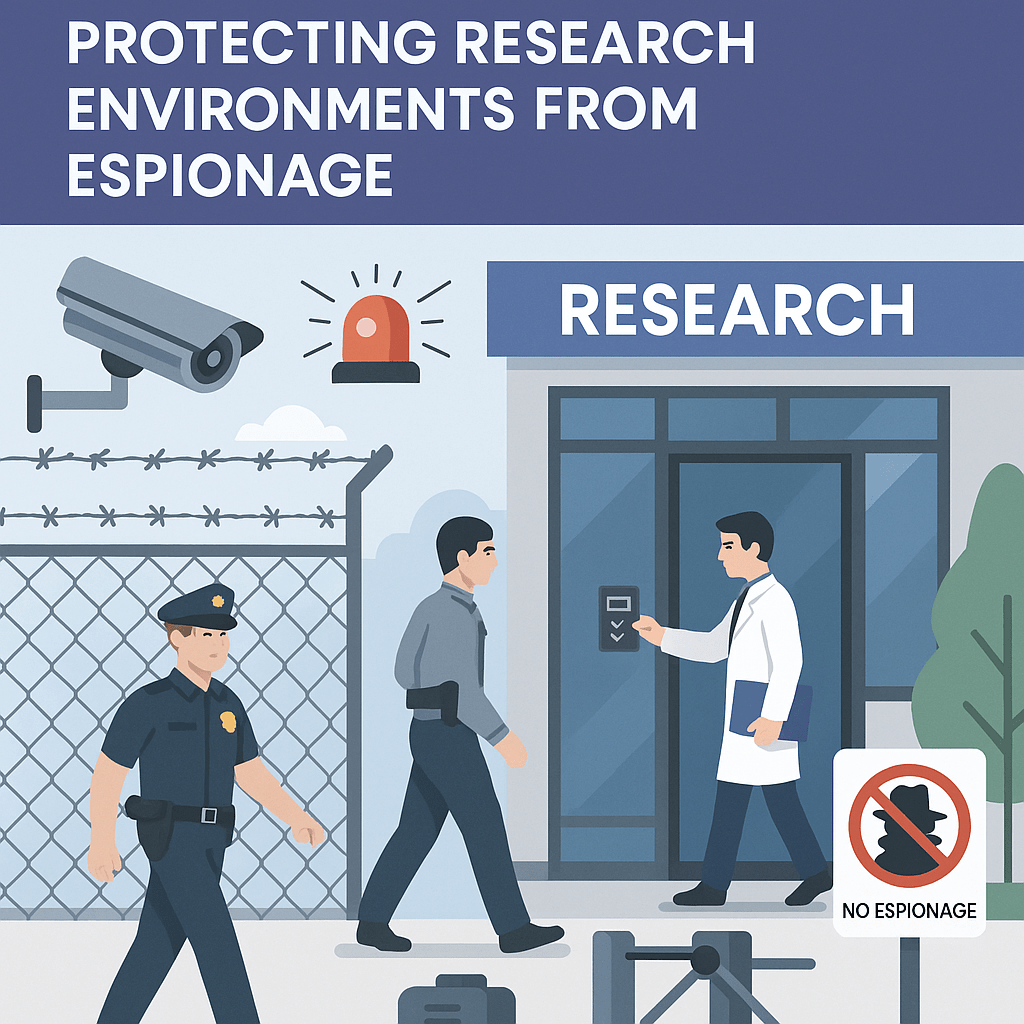
The consequences of falling victim to espionage are far-reaching, damaging not just our individual reputations but also the trust we have built with our colleagues, partners, and stakeholders. The risk of intellectual property theft, sabotage, or even worse – physical harm – is ever-present, making it essential that we prioritize physical security measures to safeguard our research environments.
One of the most critical aspects of protecting our research environments is understanding the nature of espionage threats. These threats can take many forms, from low-level industrial espionage to sophisticated state-sponsored hacking operations. They often rely on social engineering tactics, exploiting human vulnerabilities to gain access to sensitive information or facilities. This highlights the importance of robust security protocols that not only prevent unauthorized access but also educate and train our researchers on these types of threats.
Physical barriers such as secure doors, gates, and fencing can be effective deterrents, but they must be complemented by more sophisticated measures. For instance, advanced biometric authentication systems, CCTV cameras, and motion sensors can provide an additional layer of protection against would-be intruders. Moreover, the implementation of a robust access control system that requires multiple layers of verification can make it much harder for unauthorized individuals to gain access to our facilities.
Another critical aspect of physical security is the importance of secure storage and disposal of sensitive materials. This includes not only lab equipment but also electronic devices, documents, and other potentially compromised items. The use of secure shredding services or encryption can help protect against data breaches and intellectual property theft.
In addition to these measures, it’s also essential that we prioritize a culture of security awareness within our research teams. By educating researchers on the risks associated with espionage and providing them with the necessary training and resources to stay safe, we can significantly reduce the likelihood of an incident occurring in the first place. This includes regular drills, security audits, and ongoing updates to our security protocols.
Ultimately, protecting our research environments from espionage requires a comprehensive approach that combines physical security measures, technical solutions, and a culture of awareness and education. By taking a proactive and multi-faceted approach to physical security, we can safeguard not only our data but also the integrity of our work, ensuring that our contributions to science and society remain genuine and trustworthy.
 Pickett Applied Technologies Laboratories
Leave a comment