As a researcher, you’re no stranger to working with data, but that also means you’re more vulnerable to cyber threats. A single breach can compromise the integrity of your research, damage your reputation, and put sensitive information at risk. That’s why having a solid incident response plan is crucial.
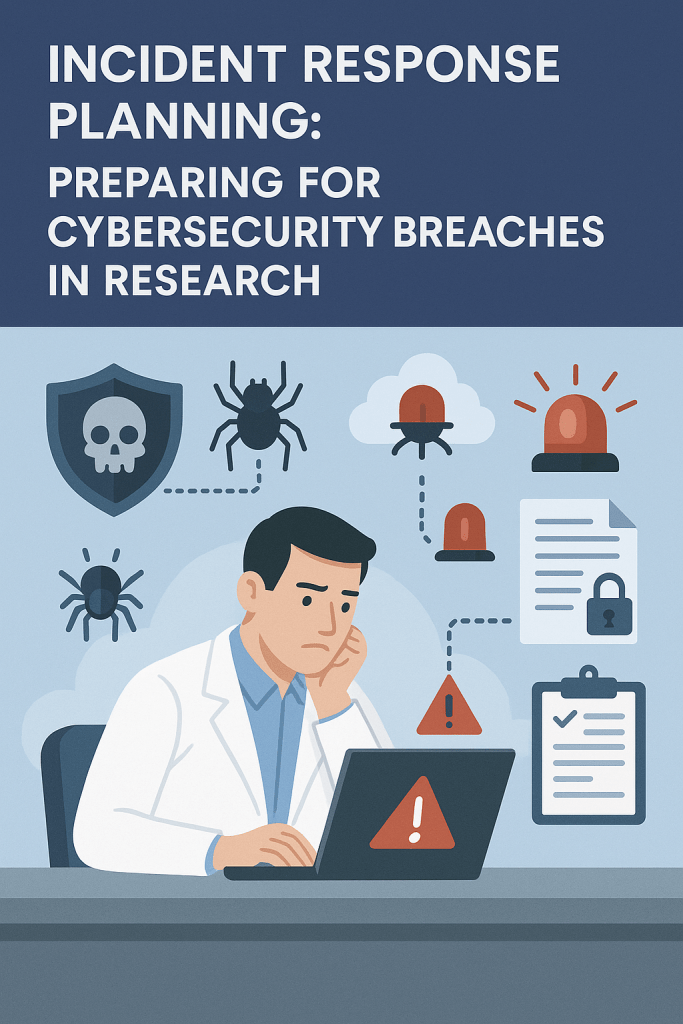
Developing an incident response plan requires careful consideration of various factors, including the type of data you work with, the level of access to that data, and the potential consequences of a breach. It’s not about being paranoid; it’s about being prepared for the unexpected.
Start by conducting a risk assessment to identify potential vulnerabilities in your research environment. This could include reviewing your laboratory’s network architecture, analyzing user behavior patterns, and evaluating third-party vendor relationships. What you’re looking for are areas where an attacker could potentially gain access to sensitive data or disrupt your operations.
Once you’ve identified high-risk areas, it’s time to develop a response strategy. This should include procedures for containing the breach, isolating affected systems, and notifying stakeholders – including your institution’s IT department, as well as regulatory bodies if necessary. It’s also essential to have a plan in place for restoring systems and data to normal operations.
Another critical aspect of incident response planning is communication. You’ll need to establish clear channels with team members, collaborators, and stakeholders to ensure everyone is on the same page. This includes providing regular updates on the status of the breach and any subsequent remediation efforts.
In addition to these core elements, consider incorporating a culture of security into your research environment. This means educating researchers about cybersecurity best practices, such as using strong passwords, keeping software up-to-date, and being cautious when handling sensitive data.
By investing time and effort into developing an incident response plan, you’ll be better equipped to handle the unexpected and protect your research from cyber threats. Remember, it’s not just about responding to breaches; it’s about creating a culture of resilience that prioritizes security throughout every stage of your research process.
 Pickett Applied Technologies Laboratories
Leave a comment