As researchers, we strive for objectivity and accuracy in our findings. However, it’s becoming increasingly evident that hidden biases can creep into even the most well-intentioned studies. In this article, I’ll discuss how these biases can affect research methods and provide guidance on identifying and mitigating them.
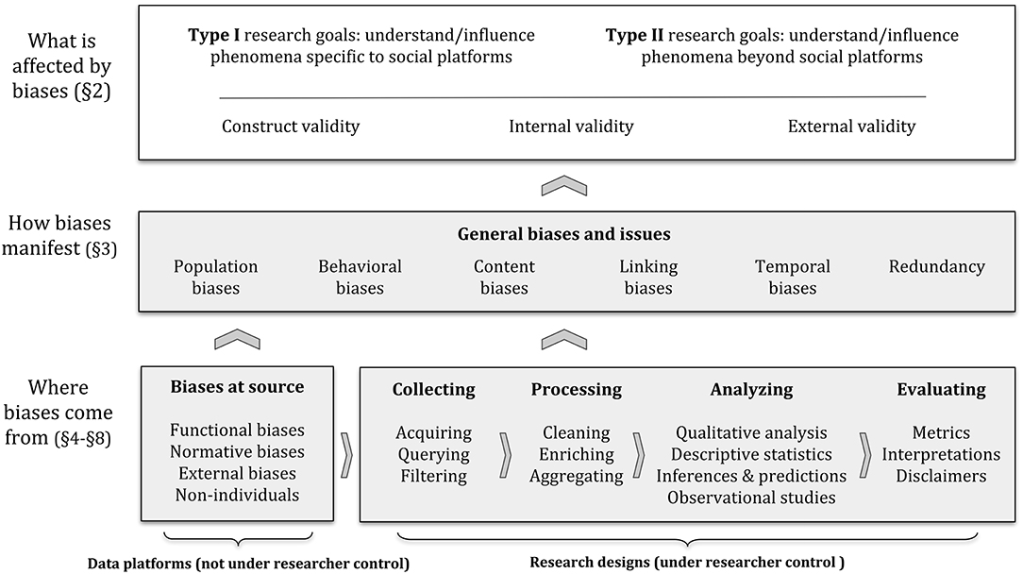
Biases in research are often unconscious, stemming from our own cultural, social, or personal backgrounds. They can manifest in various ways, such as sampling frames that exclude specific demographics, data analysis techniques that favor certain variables, or even language used in questionnaires that might inadvertently skew responses. These biases can lead to distorted conclusions and undermine the credibility of our research.
One common source of bias is the sampling frame itself. If the sample doesn’t reflect the population being studied, it’s impossible to generalize findings with confidence. For instance, if a study on customer satisfaction only includes data from urban areas, the results may not be representative of rural customers. To avoid this, researchers should strive for diverse sampling frames that capture the full range of their target population.
Another area where biases can arise is in data analysis. Certain techniques, such as correlation vs. causation or the over-reliance on statistical significance, can create an inaccurate picture of relationships between variables. Furthermore, some analyses might inadvertently amplify existing biases by focusing on the wrong variables or using flawed methods. To address this, researchers should be aware of these pitfalls and use alternative approaches that account for bias.
Language in questionnaires is another frequently overlooked area where biases can occur. Words and phrases can have different meanings to different groups, and what’s neutral to one person might be perceived as negative by another. For example, using the term “minority” to describe underrepresented groups can come across as derogatory if not phrased carefully.
So, how can researchers identify and mitigate hidden biases in their methods? The first step is recognizing that biases exist. This involves acknowledging the potential for our own preconceptions to influence our research design and methods. By being aware of these biases, we can take steps to address them before they affect our findings.
One approach is to use bias-reducing techniques such as pilot testing with diverse groups or using multiple data sources. Another strategy is to involve team members from underrepresented backgrounds in the research process, bringing different perspectives and insights to the table. Finally, being transparent about methods and potential biases can help maintain the trust of participants and readers.
In conclusion, hidden biases in research methods are a serious concern that can undermine the validity and credibility of our findings. By understanding how biases arise and taking steps to address them, researchers can increase the accuracy and reliability of their work. As we strive for excellence in our field, it’s essential that we acknowledge these limitations and work towards creating more inclusive and equitable research practices.
 Pickett Applied Technologies Laboratories
Leave a comment