Today, we’re exploring a fundamental element that keeps scientific work trustworthy and robust: peer review. This process isn’t just a formality; it’s the backbone of credible research, safeguarding us from flawed findings and helping us build upon solid foundations.
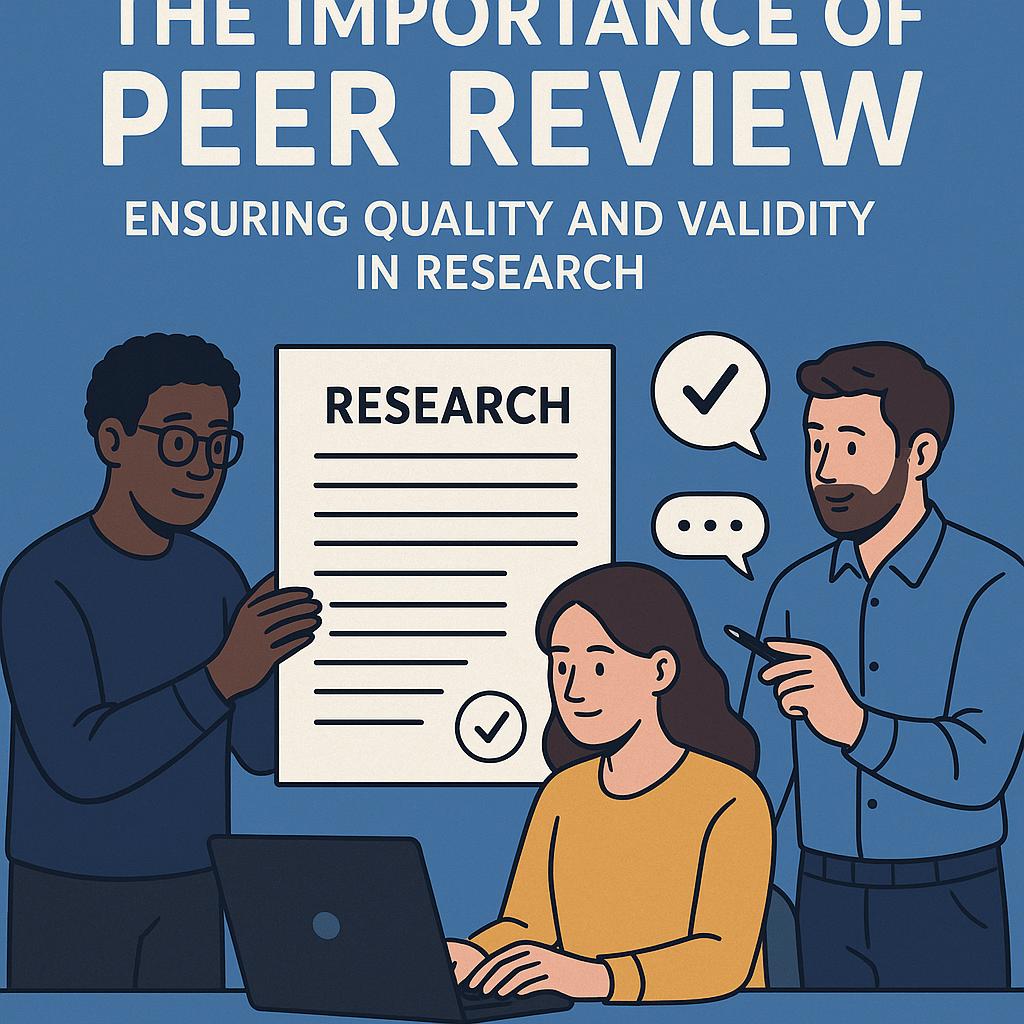
When researchers submit their manuscripts for publication, they are not merely casting them into the void of academia. Instead, these papers face a rigorous vetting process where they are scrutinized by experts in the field—peers who have a vested interest in upholding the integrity of their collective discipline. This procedure, though at times demanding and time-consuming, is absolutely essential.
Picture this: you’ve spent months or even years conducting your research, pouring over data, experimenting, and analyzing results. The last thing you want is for your findings to be based on an error, or worse, to perpetuate misinformation. That’s where peer review steps in. It functions as an external check on the quality of work, ensuring that every claim is backed by solid evidence, and that methods are sound and replicable.
The peer review process typically involves three stages: initial submission, review by one or more peers, and revision based on feedback. During the first stage, authors submit their manuscript for publication consideration. This can range from a research paper to a full-length article, depending on the journal’s scope. The editors then assign the submission to potential reviewers who are qualified experts in the subject matter.
In the review phase, these peers evaluate the manuscript’s relevance, methodology, results, and conclusion. Their task is to ensure that every aspect of the research meets high standards of academic rigor. This includes checking for logical flow, coherence, clarity, and adherence to the principles of the scientific method. They may also suggest revisions or recommend rejection if they find major flaws or if the work does not contribute significantly to the existing body of knowledge.
If a manuscript passes the initial review, it moves to the revision stage. Authors must address the reviewers’ comments and criticisms. This can involve substantial reworking of the text, correction of errors, and reanalysis of data. The goal here is to produce a polished piece that accurately reflects the research conducted, with all its complexities and nuances.
Some might wonder why go through such trouble? The answer lies in the credibility and reliability of scientific research. Peer review acts as a quality filter, reducing the risk of publishing works that are not up to par. It ensures that what gets published is not just novel or intriguing but also valid and trustworthy. This is crucial not only for maintaining the reputation of academic journals and publishers but also for the entire scientific community. Each piece of research builds on what came before it, and flawed work can lead to erroneous conclusions being accepted as truth.
Moreover, peer review encourages transparency and replication. Researchers must disclose their methods and data, enabling others to test their results and validate them independently. This open exchange fosters collaboration and advances our collective understanding.
However, not all peer review processes are created equal. Some journals have rigorous standards and multiple rounds of review, while others may not be as stringent. As a consumer of academic literature, it’s important to look for journals with reputations for high-quality peer review.
In conclusion, the peer review process is an indispensable part of scientific research, ensuring the work we rely on is sound and truthful. It’s a collaborative effort that not only guards against errors but also drives innovation and progress in our understanding of the world. So next time you read a research article, remember the tireless reviewers who worked to make it a reliable source of information. And for those embarking on their research journeys, embrace the peer review process—it’s your ticket to contributing to the collective body of knowledge with confidence and credibility. Thanks for reading, and see you next week!
 Pickett Applied Technologies Laboratories
Leave a comment