Author: Robert Pickett

  • The Role of Training in Cybersecurity: Empowering Researchers to Stay Vigilant

    The Role of Training in Cybersecurity: Empowering Researchers to Stay Vigilant

    As a cybersecurity researcher, staying up-to-date with the latest threats and technologies is crucial for success. However, the rapidly evolving nature of cyber threats can make it challenging to keep pace. This is where training comes into play – a vital component in empowering researchers to stay vigilant and ahead of the curve.

    Effective training provides researchers with the knowledge, skills, and tools necessary to identify and mitigate emerging threats. By investing in ongoing education and professional development, organizations can foster a culture of cybersecurity awareness that permeates every aspect of their operations.

    Research has shown that well-trained cybersecurity professionals are better equipped to detect and respond to complex cyber attacks. They possess a deeper understanding of the tactics, techniques, and procedures (TTPs) employed by attackers, enabling them to develop more effective incident response strategies.

    Furthermore, training enables researchers to stay current with the latest technologies and innovations in the field. By participating in workshops, conferences, and online courses, they can expand their skill set and learn from industry experts. This not only enhances their technical capabilities but also helps them to network with peers and establish valuable connections within the cybersecurity community.

    However, training is only effective if it is relevant, engaging, and sustainable. Organizations must prioritize training initiatives that address the most pressing security concerns and align with business objectives. Interactive learning experiences, such as hands-on labs and scenario-based training, can help to increase engagement and retention rates.

    Ultimately, investing in training is essential for empowering researchers to stay vigilant in the face of an ever-evolving cyber threat landscape. By providing ongoing education and professional development opportunities, organizations can cultivate a culture of cybersecurity awareness that drives success and protects against potential breaches.

  • Objective Inquiry: Lessons from Scientific History

    Objective Inquiry: Lessons from Scientific History

    As I reflect on the power of scientific inquiry, I’m reminded of the countless lessons we can learn from our past that can inform and shape our present. From Galileo’s observations to Curie’s groundbreaking research, the story of science is one of curiosity-driven exploration and unyielding dedication.

    One of the most enduring lessons from scientific history is the importance of skepticism. It was the 17th-century philosopher René Descartes who famously declared “I think, therefore I am,” but it was also his rigorous pursuit of doubt that led him to develop the method of doubt, a precursor to modern scientific inquiry. By questioning everything, including his own senses, Descartes laid the groundwork for a systematic approach to knowledge-seeking.

    Fast-forward to the 20th century, and we see the rise of scientists like Marie Curie, who defied convention by pursuing two fields at once – physics and chemistry – despite the societal norms of her time. Her pioneering work on radioactivity not only earned her two Nobel Prizes but also paved the way for future generations of women in science.

    The history of science is replete with examples of scientists pushing boundaries and challenging established wisdom. From Charles Darwin’s theory of evolution to James Watson and Francis Crick’s discovery of the DNA structure, these milestones represent significant turning points in our understanding of the world.

    However, scientific progress is not without its setbacks and controversies. The story of Galileo Galilei serves as a sobering reminder of the dangers of dogma and censorship. When he presented his observations of the heavens to the Catholic Church, he was met with resistance and even persecution. Yet, it was precisely this opposition that galvanized support for the scientific method, leading to a seismic shift in our understanding of the cosmos.

    As we navigate our own complex scientific landscape, we can draw valuable lessons from these historical precedents. By embracing skepticism, challenging assumptions, and persevering through adversity, we can continue to advance our knowledge and better understand the world around us. Ultimately, it is through objective inquiry that we can uncover new truths and move closer to a more complete understanding of reality.

    In an era marked by increasing polarization and division, the power of scientific inquiry offers a rare and precious opportunity for collaboration and collective progress. By embracing this spirit of curiosity-driven exploration, we can work together to address some of humanity’s most pressing challenges – from climate change to disease prevention – and create a brighter future for all.

  • Incident Response Planning: Preparing for Cybersecurity Breaches in Research

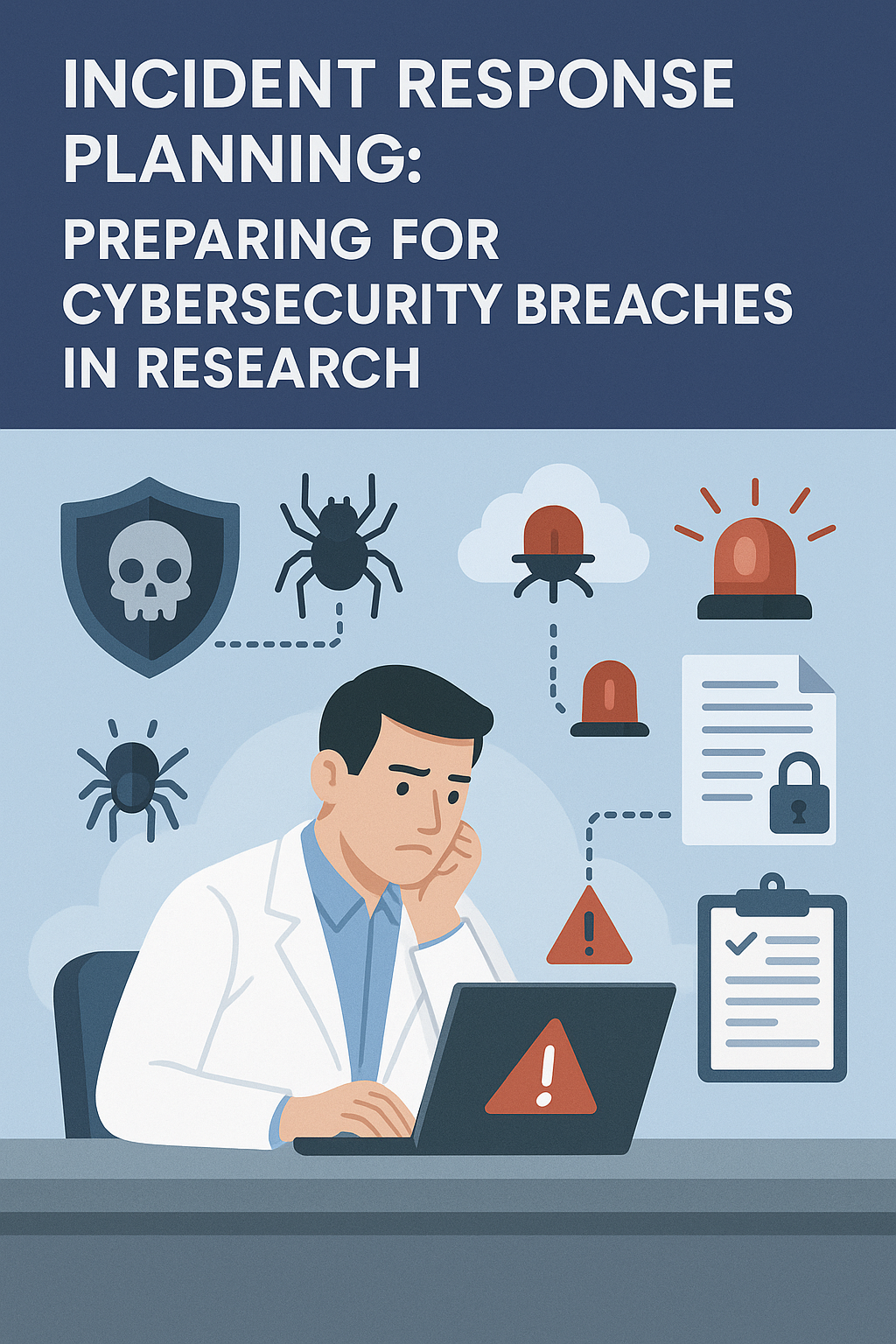
    Incident Response Planning: Preparing for Cybersecurity Breaches in Research

    As a researcher, you’re no stranger to working with data, but that also means you’re more vulnerable to cyber threats. A single breach can compromise the integrity of your research, damage your reputation, and put sensitive information at risk. That’s why having a solid incident response plan is crucial.

    Developing an incident response plan requires careful consideration of various factors, including the type of data you work with, the level of access to that data, and the potential consequences of a breach. It’s not about being paranoid; it’s about being prepared for the unexpected.

    Start by conducting a risk assessment to identify potential vulnerabilities in your research environment. This could include reviewing your laboratory’s network architecture, analyzing user behavior patterns, and evaluating third-party vendor relationships. What you’re looking for are areas where an attacker could potentially gain access to sensitive data or disrupt your operations.

    Once you’ve identified high-risk areas, it’s time to develop a response strategy. This should include procedures for containing the breach, isolating affected systems, and notifying stakeholders – including your institution’s IT department, as well as regulatory bodies if necessary. It’s also essential to have a plan in place for restoring systems and data to normal operations.

    Another critical aspect of incident response planning is communication. You’ll need to establish clear channels with team members, collaborators, and stakeholders to ensure everyone is on the same page. This includes providing regular updates on the status of the breach and any subsequent remediation efforts.

    In addition to these core elements, consider incorporating a culture of security into your research environment. This means educating researchers about cybersecurity best practices, such as using strong passwords, keeping software up-to-date, and being cautious when handling sensitive data.

    By investing time and effort into developing an incident response plan, you’ll be better equipped to handle the unexpected and protect your research from cyber threats. Remember, it’s not just about responding to breaches; it’s about creating a culture of resilience that prioritizes security throughout every stage of your research process.

  • The Pursuit of Knowledge: Balancing Scientific Discovery with Cyber Safety

    The Pursuit of Knowledge: Balancing Scientific Discovery with Cyber Safety

    As we continue to push the boundaries of scientific discovery, it’s becoming increasingly clear that our pursuit of knowledge must be balanced with a deep understanding of cyber safety. The rapid advancement of technology has brought about numerous breakthroughs in fields such as medicine, space exploration, and artificial intelligence. However, these advancements have also created new vulnerabilities that can be exploited by malicious actors.

    As someone who has dedicated their career to scientific inquiry, I’ve seen firsthand the importance of staying one step ahead of potential threats. Cyber safety is no longer just a nicety, but a necessity for any organization or individual involved in scientific research. Whether it’s protecting sensitive data, preventing intellectual property theft, or safeguarding against cyber-physical attacks, the stakes are higher than ever.

    The reality is that the digital landscape is constantly evolving, and our cybersecurity measures must keep pace. New technologies, such as cloud computing and the Internet of Things (IoT), introduce fresh challenges that require innovative solutions. Moreover, the increasing dependence on complex systems and networks means that a single vulnerability can have far-reaching consequences.

    So, how do we strike a balance between pursuing knowledge and safeguarding against cyber threats? It starts with a culture of awareness and education. We must recognize that cybersecurity is everyone’s responsibility, from individual researchers to entire institutions. By investing in employee training and upskilling programs, organizations can build a robust defense against emerging threats.

    Furthermore, collaboration and information-sharing are crucial. Governments, industries, and academia must work together to share best practices, develop common standards, and allocate resources effectively. The sharing of threat intelligence and the development of joint incident response plans can also help mitigate the impact of cyber attacks.

    Ultimately, our collective pursuit of knowledge must be tempered with a commitment to cyber safety. By prioritizing awareness, education, and collaboration, we can create a safer digital environment that allows us to continue pushing the boundaries of what is possible. As we move forward, it’s essential that we recognize the interplay between scientific discovery and cyber safety – for the benefit of our individual and collective well-being.

  • The Clear Lens of Research: How Cybersecurity Enhances Objectivity

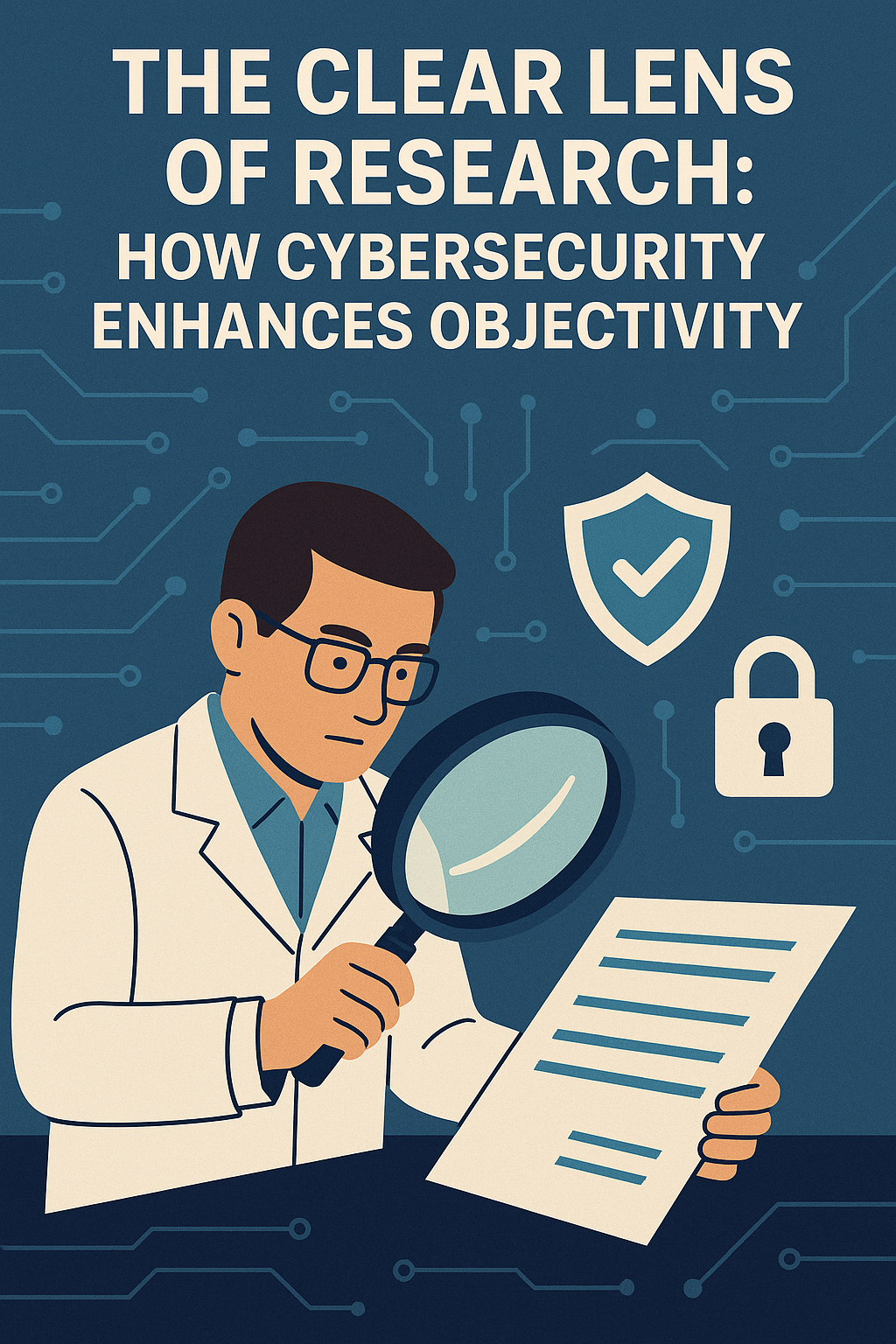
    The Clear Lens of Research: How Cybersecurity Enhances Objectivity

    As researchers, we strive to maintain a clear lens through which we view the world. This clarity allows us to distill complex ideas into actionable insights, ultimately informing our decisions and driving positive change. However, in today’s fast-paced digital landscape, maintaining this clarity can be a daunting task.

    Cybersecurity plays a critical role in enhancing objectivity by providing researchers with a secure foundation upon which to build their work. A secure environment allows us to focus on the research at hand, rather than worrying about potential vulnerabilities that could compromise our findings.

    One of the primary ways cybersecurity enhances objectivity is through data protection. By ensuring the integrity and confidentiality of our data, we can be confident that our results are reliable and trustworthy. This, in turn, enables us to make more informed decisions and draw more accurate conclusions.

    Another way cybersecurity contributes to objective research is by preventing information overload. With the vast amount of data available online, it’s easy to get caught up in a sea of irrelevant information. Cybersecurity tools help filter out noise and distractions, allowing us to focus on the most relevant and critical information.

    Furthermore, cybersecurity can also enhance objectivity by promoting transparency. By being open about our research methods and data sources, we can increase trust with our audience and avoid any potential biases or assumptions. This transparency is especially important in today’s digital age, where misinformation can spread quickly.

    In addition to these benefits, cybersecurity can also help researchers stay ahead of the curve by protecting against emerging threats. As new technologies emerge, it’s essential that we’re prepared to adapt and respond. Cybersecurity measures enable us to anticipate and mitigate potential risks, ensuring that our research remains current and relevant.

    Ultimately, a clear lens of research is only possible when we have a secure foundation upon which to build. By prioritizing cybersecurity, researchers can maintain objectivity, ensure the integrity of their data, and make more informed decisions. I firmly believe that cybersecurity is essential for producing high-quality research that truly contributes to our understanding of the world.

  • Physical Security Measures: Protecting Research Environments from Espionage

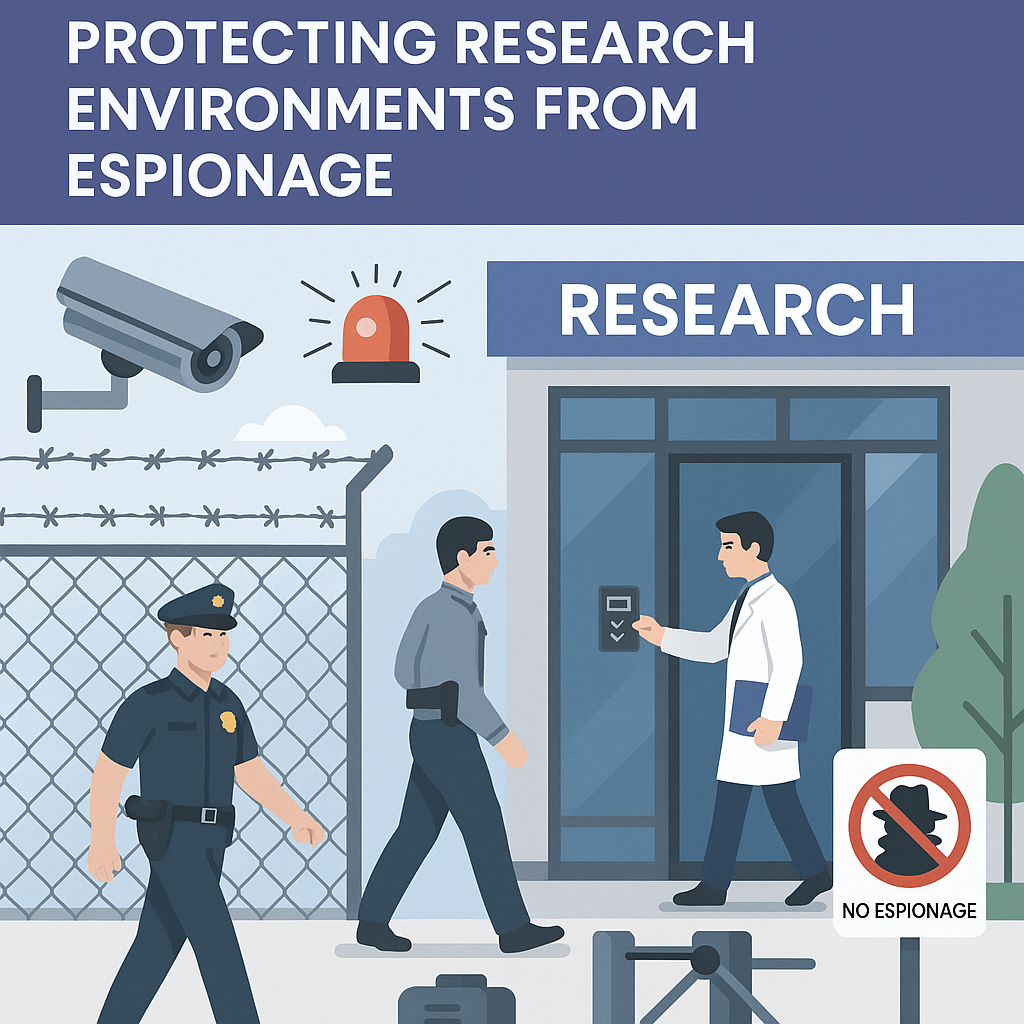
    Physical Security Measures: Protecting Research Environments from Espionage

    As researchers, we are driven by curiosity and a desire to advance our understanding of the world. However, this pursuit of knowledge comes with a responsibility to safeguard sensitive information and protect our research environments from those who would seek to misuse it. In today’s complex landscape, espionage is a very real threat that can compromise not only our data but also the integrity of our work.

    The consequences of falling victim to espionage are far-reaching, damaging not just our individual reputations but also the trust we have built with our colleagues, partners, and stakeholders. The risk of intellectual property theft, sabotage, or even worse – physical harm – is ever-present, making it essential that we prioritize physical security measures to safeguard our research environments.

    One of the most critical aspects of protecting our research environments is understanding the nature of espionage threats. These threats can take many forms, from low-level industrial espionage to sophisticated state-sponsored hacking operations. They often rely on social engineering tactics, exploiting human vulnerabilities to gain access to sensitive information or facilities. This highlights the importance of robust security protocols that not only prevent unauthorized access but also educate and train our researchers on these types of threats.

    Physical barriers such as secure doors, gates, and fencing can be effective deterrents, but they must be complemented by more sophisticated measures. For instance, advanced biometric authentication systems, CCTV cameras, and motion sensors can provide an additional layer of protection against would-be intruders. Moreover, the implementation of a robust access control system that requires multiple layers of verification can make it much harder for unauthorized individuals to gain access to our facilities.

    Another critical aspect of physical security is the importance of secure storage and disposal of sensitive materials. This includes not only lab equipment but also electronic devices, documents, and other potentially compromised items. The use of secure shredding services or encryption can help protect against data breaches and intellectual property theft.

    In addition to these measures, it’s also essential that we prioritize a culture of security awareness within our research teams. By educating researchers on the risks associated with espionage and providing them with the necessary training and resources to stay safe, we can significantly reduce the likelihood of an incident occurring in the first place. This includes regular drills, security audits, and ongoing updates to our security protocols.

    Ultimately, protecting our research environments from espionage requires a comprehensive approach that combines physical security measures, technical solutions, and a culture of awareness and education. By taking a proactive and multi-faceted approach to physical security, we can safeguard not only our data but also the integrity of our work, ensuring that our contributions to science and society remain genuine and trustworthy.

  • Data Encryption: A Key Strategy for Protecting Research Findings

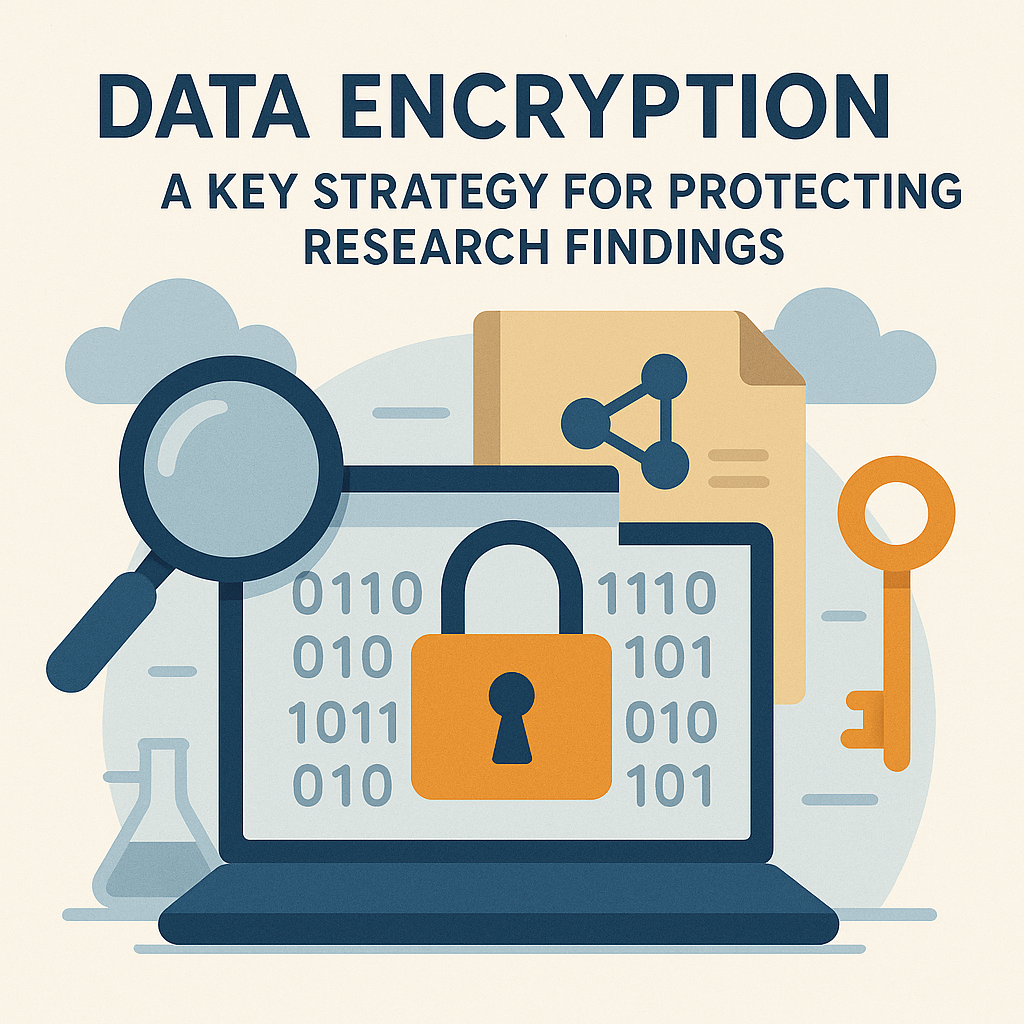
    Data Encryption: A Key Strategy for Protecting Research Findings

    As a researcher, I’ve dedicated my career to unlocking the secrets of our world. But with great power comes great responsibility – and that includes safeguarding sensitive information. That’s where data encryption comes in. By implementing robust encryption methods, researchers can protect their findings from falling into the wrong hands.

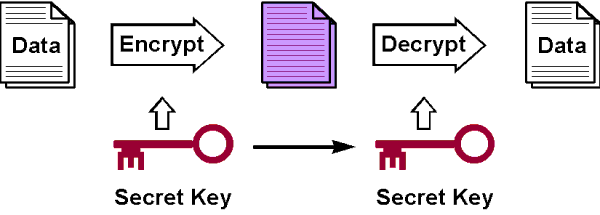
    Data encryption is the process of converting plaintext into unreadable ciphertext, making it virtually impossible for unauthorized parties to access or decode the data. This is particularly crucial when working with sensitive research data, such as personal identifiable information or confidential business strategies. By encrypting this data, researchers can ensure that their work remains secure and protected.

    There are several types of encryption methods available, including symmetric key encryption, asymmetric key encryption, and hashing algorithms. Symmetric key encryption uses the same key for both encryption and decryption, while asymmetric key encryption employs a pair of keys: one for encryption and another for decryption. Hashing algorithms, on the other hand, use one-way encryption to create a fixed-length digital fingerprint.

    When it comes to implementing data encryption, researchers must consider several factors, including key management, storage, and transmission protocols. Key management refers to the processes in place for generating, distributing, and managing encryption keys. Storage protocols dictate how encrypted data is stored on devices or in the cloud, while transmission protocols outline the methods used to transmit encrypted data over networks.

    The benefits of data encryption are numerous. Not only do they safeguard sensitive information from unauthorized access, but they also enable researchers to share their findings with confidence. By encrypting data, researchers can ensure that their work remains secure even when collaborating with colleagues or sharing results with external partners.

    In addition to protecting individual research projects, data encryption plays a critical role in maintaining the integrity of larger datasets and research initiatives. By encrypting sensitive information, researchers can prevent tampering or manipulation of data, ensuring that their findings remain accurate and trustworthy.

    As our reliance on technology continues to grow, the importance of robust data encryption strategies cannot be overstated. As a researcher, it’s essential to stay up-to-date on the latest encryption methods and best practices, as well as invest in tools and technologies that support secure data storage and transmission.

  • No Virginia, there is no recession on the horizon

    No Virginia, there is no recession on the horizon

    Our advanced machine learning model has delved into a wide array of economic indicators, and the findings are promising: there is less than a 2% chance of a recession occurring within the next year. This prediction is grounded in a thorough analysis of historical data combined with real-time economic trends, providing a comprehensive view of the current landscape.

    Probability of Recession: A Closer Look

    To break it down further, here’s how the probabilities of a recession unfold over different time horizons:

    • 3-Month Horizon: The chance of a recession is less than 1% (specifically, 0.86%). This indicates a very stable economic environment in the short term.
    • 6-Month Horizon: The likelihood remains low at less than 2% (0.66%). This reinforces the notion that the economy is on solid footing for the near future.
    • 12-Month Horizon: While the probability rises to approximately 33% (0.33%), it still falls below the threshold that would categorize it as a high-risk scenario. This suggests that while uncertainties may exist, they are not indicative of an imminent downturn.

    Economic Indicator Analysis: Strength in Numbers

    Our model has meticulously analyzed key economic indicators, including GDP growth, unemployment rates, inflation, and interest rates, among others. The results paint a picture of a robust economy, showing no significant signs of a slowdown or recession.

    Feature Importances: What Drives Our Predictions?

    Understanding which indicators are most influential in our model’s predictions is crucial. Here’s a breakdown of the feature importances for each horizon:

    The leading economic indicators for a 3-month horizon are:

    • LEI (Leading Economic Index) with an importance of 0.518492
    • GDP_Growth with an importance of 0.126274
    • Yield_Spread with an importance of 0.072549

    The leading economic indicators for a 6-month horizon are:

    • LEI (Leading Economic Index) with an importance of 0.448674
    • VIX (Volatility Index) with an importance of 0.106540
    • GDP_Growth with an importance of 0.101251

    The leading economic indicators for a 12-month horizon are:

    • Unemployment with an importance of 0.387461
    • CPI (Consumer Price Index) with an importance of 0.146628
    • LEI (Leading Economic Index) with an importance of 0.133595

    The Leading Economic Index (LEI) consistently emerges as a critical factor across all time horizons, underscoring its importance in forecasting economic trends. Additionally, indicators like unemployment and inflation rates play significant roles in shaping our predictions, reflecting the interconnected nature of these economic elements.

    Conclusion: A Resilient Economy Ahead

    In conclusion, our analysis of economic indicators and real-time trends leads us to a reassuring outlook: our machine learning model predicts that there is less than a 2% chance of a recession occurring within the next year. While some experts may express concerns about potential economic downturns, our findings suggest that the economy remains strong and resilient. As we move forward, it’s essential to stay informed and engaged with these trends, as they will undoubtedly shape our financial landscape in the months to come. The future looks bright, and we can approach it with confidence!

  • Navigating Subjective Traps: The Role of Cybersecurity in Research Integrity

    Navigating Subjective Traps: The Role of Cybersecurity in Research Integrity

    As researchers, we’re constantly on the lookout for innovative methods to advance our fields and push boundaries. However, this pursuit of progress can sometimes lead us down a path where we’re more focused on individual achievements than on maintaining the highest standards of integrity.

    One area that’s often overlooked in the quest for research excellence is cybersecurity. While it’s easy to dismiss cybersecurity as a secondary concern, I’d argue that it plays a critical role in ensuring the integrity of our work. When we fail to prioritize cybersecurity, we risk compromising not just our data, but also the trust and credibility of our institutions.

    Take, for instance, a recent study that found millions of research papers vulnerable to hacking. The consequences were severe: sensitive information was exposed, intellectual property was compromised, and the entire field of research was put at risk. Such incidents highlight the need for researchers to take cybersecurity seriously and implement robust measures to protect their work.

    Of course, it’s easy to get caught up in the day-to-day demands of research and overlook this critical aspect of our work. But I’d caution against taking a “wait-and-see” approach. The reality is that cyber threats are becoming increasingly sophisticated, and if we don’t adapt, we risk falling victim to these attacks.

    So what can researchers do to navigate the subjective traps of cybersecurity? Firstly, it’s essential to recognize that cybersecurity is not just about technology; it’s also about culture and mindset. We need to foster an environment where researchers feel empowered to speak up when they suspect a security breach or unethical behavior.

    Secondly, we need to invest in robust cybersecurity protocols and training programs. This includes keeping our research software and tools up-to-date, conducting regular security audits, and providing ongoing education and awareness about cyber threats.

    Finally, we must also acknowledge that cybersecurity is not a one-time fix; it’s an ongoing process that requires constant vigilance and attention. By prioritizing cybersecurity, we can ensure that our research remains robust, reliable, and free from the scourge of data breaches and intellectual property theft.

    Ultimately, as researchers, we have a responsibility to uphold the highest standards of integrity in our work. Cybersecurity is not just a nicety; it’s a necessity. By taking proactive steps to protect our research, we can maintain the trust and credibility of our institutions, advance our fields, and make meaningful contributions to society.

  • The Importance of Time Management for a Healthy Work-Life Balance

    The Importance of Time Management for a Healthy Work-Life Balance

    Time management and work-life balance aren’t opposing ideas—they’re deeply connected. You can’t truly have one without the other. When you find yourself working long hours, it’s easy to get caught in a vortex where work consumes everything. In the process, you lose precious time not just with family and friends, but also with yourself.

    Society constantly pressures us to work harder, put in more hours, and be endlessly productive. But what’s the point of productivity if it comes at the expense of your happiness? No one thrives by living in a cycle of constant work without time for rest, relationships, or personal passions. True success comes from balance—and time management is the key to achieving it.

    Good time management empowers you to complete what needs to get done while still carving out time for yourself. It helps reduce stress, build confidence, and create space for joy. It’s not always easy, but it’s worth the effort—because you are worth the effort.

    Prioritizing your time is essential. Focus on what truly matters, whether it’s nurturing your family relationships, deepening your friendships, or pursuing your personal goals. Time is too valuable to waste on distractions that don’t serve your well-being.

    Of course, life will always throw unexpected challenges your way. Plans will fall apart. Priorities will shift. That’s why flexibility is just as important as discipline. Good time management isn’t about rigid schedules—it’s about building a structure that gives you room to adapt without losing your footing.

    When you manage your time well, you create a healthier work-life balance—and with that comes genuine fulfillment. You stop working just to survive and start living with purpose. You make space for the people and experiences that bring you happiness.

    My goal is to help you recognize the transformative power of time management. It’s not about doing more—it’s about living better.