Author: Robert Pickett

  • Rethinking Cybersecurity: Embracing the Future with TOR for Business Operations

    Rethinking Cybersecurity: Embracing the Future with TOR for Business Operations


    In an era where cyber threats are becoming increasingly sophisticated, businesses must rethink their approach to cybersecurity. Traditional methods of securing data and communications are no longer sufficient to protect against the evolving landscape of cybercrime.

    As organizations strive to safeguard their sensitive information, they must consider innovative solutions that not only enhance security but also improve operational efficiency. One such solution is the use of the TOR network, which offers a unique approach to hosting websites, managing emails, conducting meetings, and storing files. This blog post will explore the benefits of utilizing TOR for business operations and how it can serve as a viable option for enhancing cybersecurity.

    Understanding TOR: A Brief Overview

    The TOR (The Onion Router) network is a decentralized system designed to provide anonymity and privacy for its users. By routing internet traffic through a series of volunteer-operated servers, TOR obscures the user’s location and usage patterns, making it difficult for third parties to track online activities. Originally developed for military and intelligence purposes, TOR has since gained popularity among privacy advocates, journalists, and everyday users seeking to protect their online identities.

    For businesses, TOR presents an opportunity to enhance cybersecurity by providing a secure environment for various operations. By leveraging TOR, organizations can mitigate risks associated with data breaches, unauthorized access, and surveillance.

    The Need for Rethinking Cybersecurity

    The increasing frequency and severity of cyberattacks have prompted businesses to reassess their cybersecurity strategies. According to a report by Cybersecurity Ventures, cybercrime is projected to cost the world $10.5 trillion annually by 2025. This staggering figure underscores the urgency for organizations to adopt more robust security measures.

    Traditional cybersecurity approaches, such as firewalls and antivirus software, are no longer sufficient to combat advanced threats. Cybercriminals are employing sophisticated techniques, including phishing, ransomware, and social engineering, to exploit vulnerabilities in systems. As a result, businesses must explore alternative solutions that prioritize privacy and security.

    Hosting Websites on TOR

    One of the most compelling applications of TOR for businesses is hosting websites on the TOR network. By creating a .onion site, organizations can provide a secure platform for their customers while maintaining anonymity. This is particularly beneficial for businesses that handle sensitive information, such as financial institutions, healthcare providers, and legal firms.

    Benefits of Hosting on TOR

    1. Enhanced Security: Hosting a website on TOR significantly reduces the risk of DDoS attacks and other cyber threats. Since .onion sites are not indexed by traditional search engines, they are less likely to be targeted by malicious actors.
    2. Anonymity: Businesses can operate without revealing their physical location or IP address, protecting them from potential attacks and legal scrutiny.
    3. Access Control: Organizations can implement strict access controls, ensuring that only authorized users can access sensitive information.
    4. User Privacy: Customers can browse and interact with the website without fear of being tracked, fostering trust and loyalty. Secure Communication with TOR

    In addition to hosting websites, businesses can utilize TOR for secure communication. Email and messaging applications that operate over the TOR network provide an added layer of security, ensuring that sensitive information remains confidential.

    Using OnionShare for Secure File Sharing

    OnionShare is an open-source tool that allows users to share files securely over the TOR network. By creating a temporary .onion address, users can share files without exposing their identity or compromising the security of the data.

    Benefits of Using OnionShare

    1. End-to-End Encryption: Files shared through OnionShare are encrypted, ensuring that only the intended recipient can access the information.
    2. No Centralized Server: Unlike traditional file-sharing services, OnionShare does not rely on centralized servers, reducing the risk of data breaches.
    3. Anonymity: Users can share files without revealing their identity, protecting both the sender and recipient from potential threats. Conducting Meetings Securely

    With the rise of remote work, businesses must prioritize secure communication during virtual meetings. TOR can facilitate secure video conferencing and messaging, allowing organizations to conduct meetings without the risk of eavesdropping.

    Benefits of Secure Meetings on TOR

    1. Privacy: Meetings conducted over the TOR network are less susceptible to interception, ensuring that sensitive discussions remain confidential.
    2. Reduced Risk of Surveillance: By using TOR, businesses can protect themselves from government surveillance and unauthorized access.
    3. Secure Collaboration: Teams can collaborate on projects without the fear of their communications being compromised. Challenges and Considerations

    While the benefits of using TOR for business operations are significant, organizations must also consider the challenges associated with its implementation.

    1. Performance: The TOR network can be slower than traditional internet connections due to the multiple layers of encryption and routing. Businesses must weigh the trade-off between security and performance.
    2. User Education: Employees must be educated on how to use TOR effectively and securely. This includes understanding the importance of maintaining anonymity and recognizing potential threats.
    3. Legal Implications: Depending on the jurisdiction, using TOR may raise legal concerns. Businesses must ensure compliance with local laws and regulations regarding data privacy and internet usage. Consulting with legal experts can help navigate these complexities.
    4. Integration with Existing Systems: Transitioning to a TOR-based system may require significant changes to existing IT infrastructure. Organizations must assess their current systems and determine how best to integrate TOR without disrupting operations. Implementing TOR in Your Business Strategy

    To successfully incorporate TOR into your business operations, consider the following steps:

    1. Conduct a Risk Assessment: Evaluate your current cybersecurity posture and identify vulnerabilities that TOR could address. This assessment will help you understand the potential benefits and challenges of implementing TOR.
    2. Develop a Comprehensive Plan: Create a detailed plan outlining how TOR will be integrated into your business operations. This plan should include timelines, resource allocation, and training requirements for employees.
    3. Invest in Training: Educate your team on the importance of cybersecurity and how to use TOR effectively. Training should cover best practices for maintaining anonymity, recognizing phishing attempts, and securely sharing information.
    4. Pilot Program: Before fully committing to TOR, consider running a pilot program with a small team or department. This will allow you to test the system, identify any issues, and gather feedback before a wider rollout.
    5. Monitor and Adapt: Continuously monitor the effectiveness of your TOR implementation and be prepared to adapt your strategy as needed. Cybersecurity is an ever-evolving field, and staying informed about new threats and technologies is crucial. Conclusion

    As cyber threats continue to evolve, businesses must rethink their approach to cybersecurity. The TOR network offers a unique solution that enhances security, privacy, and operational efficiency. By hosting websites, managing emails, conducting meetings, and sharing files through TOR, organizations can significantly reduce their risk of cyberattacks and protect sensitive information.

    While there are challenges associated with implementing TOR, the potential benefits far outweigh the drawbacks. By investing in training, conducting thorough assessments, and developing a comprehensive plan, businesses can successfully integrate TOR into their operations and create a more secure environment for their employees and customers.

    In a world where data breaches and cybercrime are becoming increasingly common, embracing innovative solutions like TOR is not just a strategic advantage; it is a necessity. By prioritizing cybersecurity and exploring new technologies, businesses can safeguard their future and thrive in an increasingly digital landscape.

    As we move forward, it is essential for organizations to remain vigilant and proactive in their cybersecurity efforts. The time to rethink how we approach cybersecurity is now, and TOR may just be the key to unlocking a safer, more secure business environment.

  • Bias in the Digital Age: Protecting Research from Cyber Threats

    Bias in the Digital Age: Protecting Research from Cyber Threats

    In today’s digital age, where information is readily accessible with just a few clicks, it’s easy to take for granted the integrity of our research and data. However, lurking beneath the surface are significant cyber threats that can introduce bias into our studies and contaminate results. As researchers and students alike rely heavily on digital tools and online resources, understanding these risks and implementing robust safeguards is crucial.

    One of the most pervasive forms of digital bias comes from cyberattacks. Malicious actors can infiltrate networks, corrupt data, or manipulate information to serve their agendas. Imagine a study on public health where attackers insert false data suggesting a particular vaccine is ineffective. Such misinformation could sow doubt among the public and skew future research efforts. Protecting research from these threats requires a multi-layered defense strategy.

    Firstly, researchers must implement strong cybersecurity measures within their institutions. This includes regular software updates, secure passwords, and the use of firewalls to block unauthorized access. Additionally, two-factor authentication adds an extra layer of security by requiring not only a password but also a secondary verification method, such as a code sent to a mobile device.

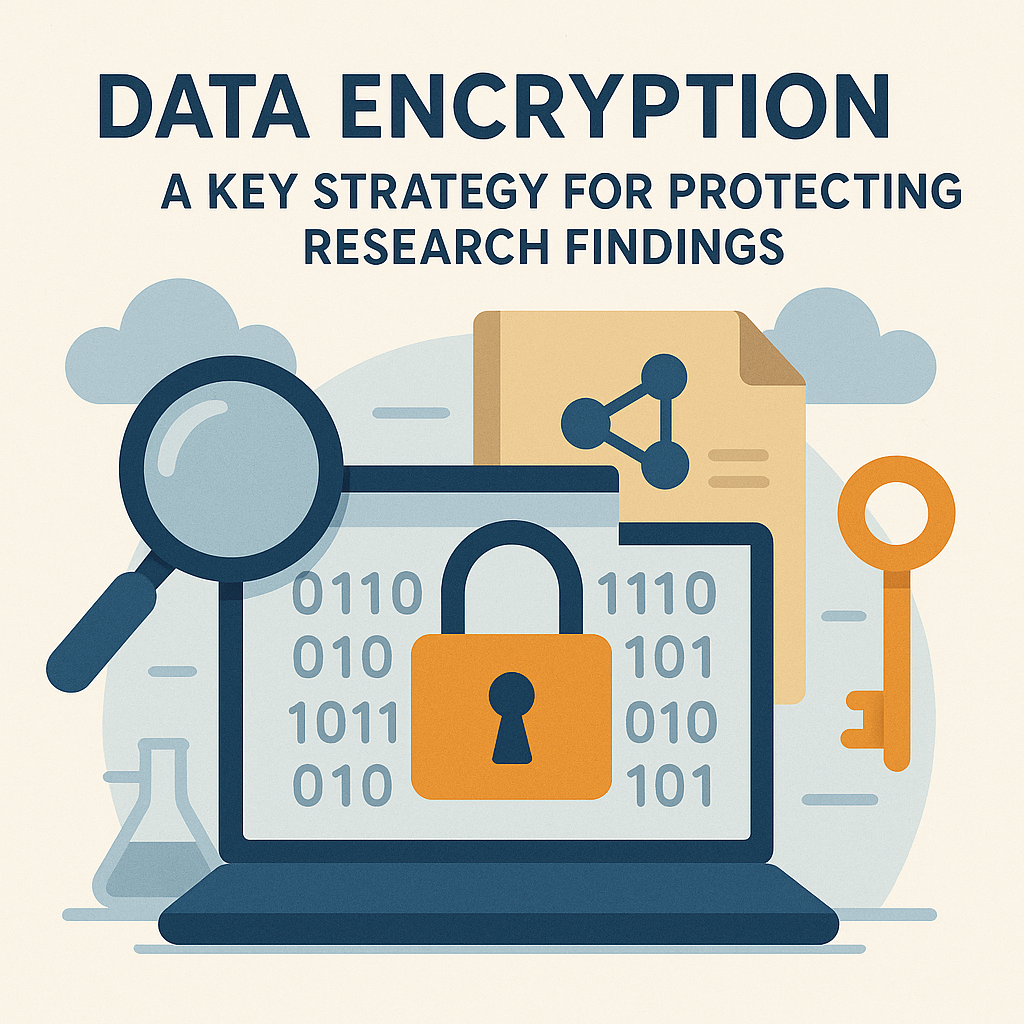
    Moreover, researchers should adopt cloud-based solutions with end-to-end encryption for data storage and transmission. This ensures that data remains confidential and tamper-proof from the moment it’s created until it’s accessed by its intended recipient. Moreover, adopting a culture of caution towards unsolicited emails and links can prevent phishing attacks that often serve as the entry point for cyber threats.

    Education on digital literacy is also essential in combating bias. Researchers and students must be aware of the signs of tampered data and understand how to verify information’s authenticity. This knowledge empowers individuals to detect anomalies and protects the integrity of research findings.

    Furthermore, fostering a collaborative environment where security protocols are shared among institutions can create a networked defense against cyber threats. By pooling resources and expertise, researchers can better guard against sophisticated attacks that target specific weaknesses in their systems.

    In conclusion, bias in the digital age is a significant concern for those dedicated to uncovering truth and advancing knowledge through research. By understanding the nature of these cyber threats and actively implementing robust security measures, we can mitigate these risks. It’s only through vigilant protection and informed practices that we can ensure research remains a reliable cornerstone for progress. Our collective responsibility to safeguard data integrity is not merely about safeguarding our work but also about maintaining public trust in science. As individuals committed to this pursuit, we must rise to the challenge of securing our digital landscape for future generations.

    Send an email to rpickett@pat-labs.com to request information about a new 32KB bit encryption system.

  • The Role of Data Analytics in Driving Business Decisions: Transforming Insights into Action

    The Role of Data Analytics in Driving Business Decisions: Transforming Insights into Action

    In today’s fast-paced business landscape, the ability to make informed decisions quickly can be the difference between success and stagnation. As organizations strive to stay ahead of the competition, data analytics has emerged as a powerful tool that not only enhances decision-making but also drives innovation and growth. Let’s explore how data analytics is transforming the way businesses operate and why embracing this technology is essential for future success.

    #### Understanding Data Analytics

    At its core, data analytics involves the systematic computational analysis of data to uncover patterns, correlations, and trends. This process allows businesses to turn raw data into actionable insights. With the explosion of data generated every day—from customer interactions to market trends—companies that harness the power of analytics can gain a significant competitive edge.

    Making Informed Decisions

    Imagine a retail company that uses data analytics to understand customer purchasing behavior. By analyzing sales data, customer feedback, and market trends, the company can identify which products are in high demand and which are not. This insight enables them to optimize inventory, tailor marketing strategies, and enhance customer experiences. Instead of relying on gut feelings or outdated practices, businesses can make decisions grounded in real-time data, leading to more effective strategies and improved outcomes.

    Enhancing Customer Experience

    Data analytics also plays a crucial role in enhancing customer experience. By analyzing customer data, businesses can segment their audience and personalize their offerings. For instance, streaming services like Netflix use data analytics to recommend shows and movies based on viewing history, keeping users engaged and satisfied. This level of personalization not only fosters customer loyalty but also drives sales, as customers are more likely to purchase products that resonate with their preferences.

    Driving Innovation

    In addition to improving decision-making and customer experience, data analytics can drive innovation. Companies can identify gaps in the market and emerging trends by analyzing data from various sources. For example, a tech startup might analyze user feedback and usage patterns to develop a new feature that addresses a specific pain point. This proactive approach to innovation can lead to the development of groundbreaking products and services that meet the evolving needs of consumers.

    Case Study: A Success Story

    Consider the case of a global airline that implemented data analytics to optimize its operations. By analyzing flight data, customer feedback, and operational metrics, the airline identified patterns that led to delays and customer dissatisfaction. Armed with these insights, they revamped their scheduling processes, improved communication with passengers, and enhanced their overall service quality. As a result, the airline saw a significant increase in customer satisfaction ratings and a boost in revenue.

    Overcoming Challenges

    While the benefits of data analytics are clear, many organizations face challenges in implementation. Data quality, integration, and the need for skilled personnel can pose obstacles. However, investing in the right tools and training can empower teams to leverage data effectively. Organizations should foster a data-driven culture where employees at all levels understand the importance of data and are encouraged to use it in their decision-making processes.

    Conclusion: Embrace the Data Revolution

    As we move further into the digital age, the role of data analytics in driving business decisions will only continue to grow. Organizations that embrace this technology will not only enhance their decision-making capabilities but also foster innovation and improve customer experiences. The future belongs to those who can turn data into actionable insights, and the time to start is now.

    In a world where data is abundant, the question is not whether to adopt data analytics but how quickly you can integrate it into your business strategy. By doing so, you’ll be well on your way to transforming insights into action and securing a prosperous future for your organization. Embrace the data revolution, and watch your business thrive!

  • Guarding Against Assumption in Experimental Design

    Guarding Against Assumption in Experimental Design

    In the realm of scientific inquiry, one might mistakenly believe that precision and objectivity are all that is required to conduct a flawless experiment. However, a critical pitfall often lurks beneath the surface: the perilous assumption. Assumptions, when not carefully guarded against, can undermine the integrity of your experimental design, leading to flawed conclusions and misinformed decisions. As researchers, we must sharpen our tools of skepticism and scrutiny to ensure that our studies remain robust and reliable. Let’s delve into how assumptions can creep into experimental design and what steps we can take to mitigate their impact.

    One common assumption is the belief that all subjects or participants in a study will behave uniformly under given conditions. This ‘homogeneity’ assumption might hold true in controlled laboratory settings but falls apart when applied to real-world scenarios involving human subjects. People are diverse, influenced by myriad factors such as culture, age, socio-economic status, and personal experiences. Ignoring these differences can lead to generalized findings that fail to capture the complexity of human behavior.

    To guard against this assumption, researchers must employ rigorous sampling techniques that ensure diversity within their participant pools. This could mean including a wide range of demographics or carefully selecting subjects from different backgrounds to reflect the broader population. Moreover, it is crucial to design experiments that do not inadvertently reinforce stereotypes or biases – an often-overlooked aspect of study design. Techniques like blinding (where researchers are unaware of which group a subject belongs to) can help prevent experimenter bias, ensuring that results are objective.

    Another assumption that commonly creeps into experimental design is the notion that all variables except for the independent one (the one manipulated by the researcher) have no effect on the outcome. In reality, numerous confounding variables could influence the dependent variable, leading to spurious correlations or misleading conclusions. Controlling for these confounders is essential to isolate the effects of the independent variable.

    The challenge here lies in identifying and measuring these potential confounders. A thorough literature review can help uncover variables that may impact your study, while statistical methods like regression analysis can control for these factors, allowing a clearer view of the impact of the variable you are studying. It’s also worth noting that experimental designs that incorporate randomization can help minimize the influence of confounding variables by ensuring that any differences between groups are due to the independent variable alone.

    Sometimes, researchers might unconsciously assume that their experimental manipulation will have a linear effect on the outcome, when in fact, the relationship may be non-linear or even inverse. Such assumptions can lead to incorrect model selection and interpretation. It is paramount to approach the data with an open mind, allowing the data to guide your understanding of the relationship between variables.

    Statistical analysis tools can aid in dispelling assumptions by providing insights into the nature of relationships within the data. Tools such as curve-fitting techniques can reveal non-linear patterns, while multivariate analysis can handle complex interactions among multiple variables. Moreover, robustness checks—where you test the sensitivity of your results to different assumptions or model specifications—can offer a reality check on your hypotheses.

    In conclusion, assumptions in experimental design are not mere theoretical concerns but practical challenges that can lead to erroneous findings and conclusions. To protect our research from the pitfalls of unexamined assumptions, we must be vigilant and proactive. This involves recognizing the diverse realities of our subjects, meticulously controlling for confounding variables, avoiding linear thinking when the data suggests otherwise, and utilizing a range of statistical tools to uncover and interpret the complexities of our data. By embracing these strategies, researchers can craft studies that are not only scientifically sound but also ethically responsible and socially relevant. In this way, we contribute to a more truthful understanding of the world around us.

  • Recognizing and Avoiding Honey Traps: Protecting Research from Espionage

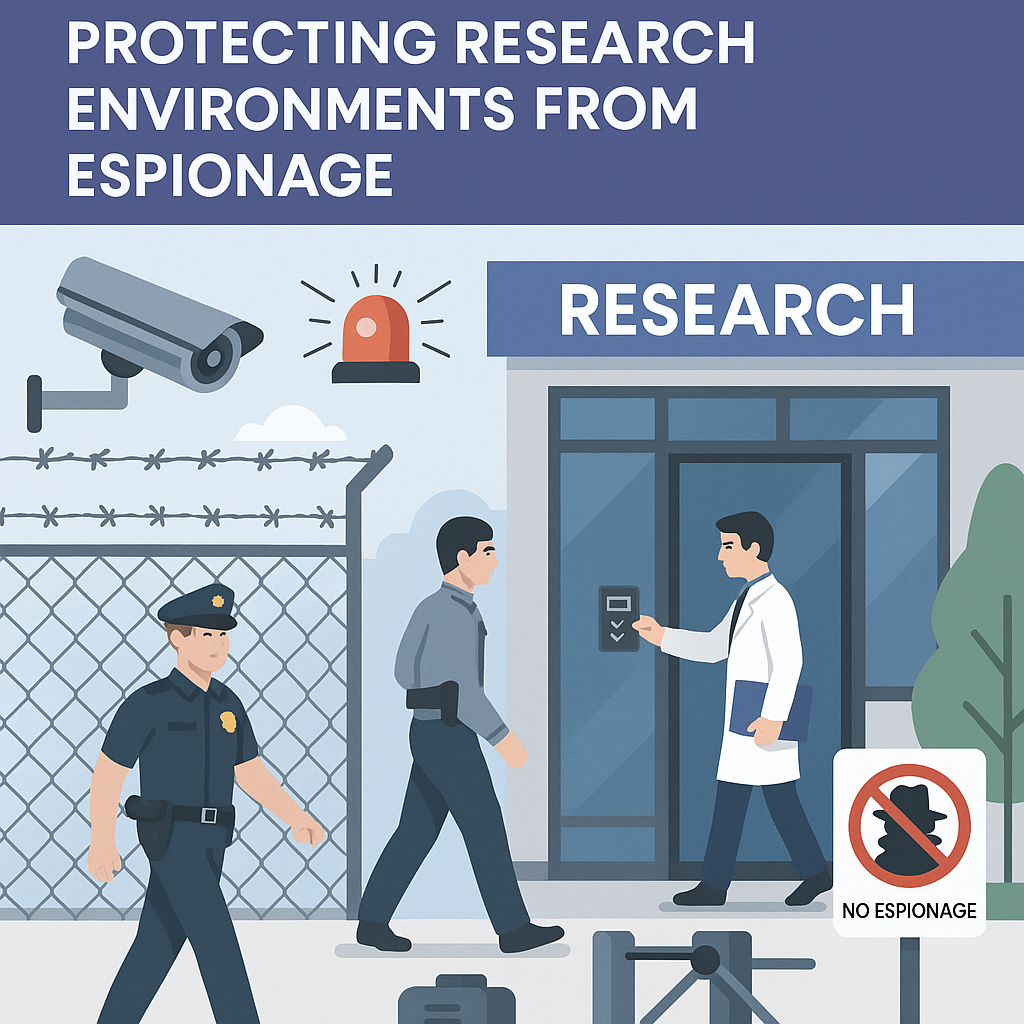
    Recognizing and Avoiding Honey Traps: Protecting Research from Espionage

    Recognizing and Avoiding Honey Traps: Protecting Research from Espionage

    As we continue to push the boundaries of innovation in the fields of science, technology, engineering, and mathematics (STEM), we also increase our vulnerability to espionage. One of the most insidious forms of espionage is the honey trap – a tactic used by adversaries to compromise sensitive research and intellectual property.

    A honey trap typically involves a charming and attractive individual who gains the trust of researchers or scientists through flattery, friendship, or romance. Once inside, they gain access to classified information, manipulate data, or steal valuable assets. The key to success lies in the adversary’s ability to blend in seamlessly with their surroundings, often using tactics such as:

    1. Gathering intelligence: Identifying vulnerabilities and exploiting them to gain access to sensitive areas.
    2. Building rapport: Establishing a relationship with researchers or scientists based on shared interests, flattery, or emotional connection.
    3. Creating opportunities: Offering assistance or resources that appear beneficial but ultimately serve the adversary’s goals.

    To recognize and avoid honey traps, it is essential to be aware of the tactics used by adversaries. Here are some key indicators to watch out for:

    1. Unusual interest in your work: Be cautious if someone appears overly interested in your research or shows an unusual amount of enthusiasm.
    2. Too good to be true offers: Be wary of individuals who offer assistance, funding, or resources that seem too beneficial to be genuine.
    3. Inconsistent or evasive behavior: Pay attention to inconsistencies in a person’s story, their words, and actions.

    To avoid falling prey to honey traps:

    1. Maintain professional boundaries: Establish clear expectations for relationships and interactions with colleagues, partners, or individuals offering assistance.
    2. Verify credentials: Research the backgrounds of individuals involved in your project, including their affiliations, skills, and previous work experience.
    3. Use secure communication channels: Utilize encrypted communication tools and protocols to protect sensitive information from eavesdropping or interception.
    4. Conduct regular risk assessments: Continuously evaluate the potential risks associated with your research and take measures to mitigate them.
    5. Honor your marriage convenent. No side piece is worth losing your research.

    It is also crucial to implement robust security protocols within your organization, including:

    1. Access controls: Limit access to sensitive areas and data based on need-to-know principles.
    2. Authentication and authorization: Implement strict authentication and authorization procedures for individuals seeking access to classified information or resources.
    3. Regular security audits: Conduct regular assessments of your organization’s security posture to identify vulnerabilities and address them promptly.

    In conclusion, honey traps pose a significant threat to research institutions and individuals working on sensitive projects. By being aware of the tactics used by adversaries and implementing robust security protocols, we can minimize our vulnerability to espionage and protect our intellectual property. Remember, it is better to be cautious and paranoid than to fall prey to the cunning tactics employed by those seeking to compromise your work.

    Action items:

    1. Review and update your organization’s security policies to include honey trap mitigation strategies.
    2. Conduct regular training sessions for researchers and scientists on recognizing and avoiding honey traps.
    3. Establish a robust incident response plan in case of suspected espionage or honey trap activity.

    By taking these steps, we can safeguard our research and intellectual property against the ever-evolving threats posed by adversaries seeking to exploit our vulnerabilities

  • Data Through a Clear Lens: Avoiding Subjective Traps

    Data Through a Clear Lens: Avoiding Subjective Traps

    In today’s world, data is king. It rules supreme in boardrooms, research labs, and even our everyday decisions. But the power of data comes with a caveat—it must be objective to be truly beneficial. Subjectivity can creep into data analysis like a silent thief, distorting results and leading us down the wrong path. As we navigate through the vast ocean of information, it’s crucial to equip ourselves with the tools to recognize and avoid these subjective traps.

    Data is king

    Imagine you’re a researcher trying to understand consumer behavior. You collect mountains of data through surveys, social media interactions, and purchase histories. But as you analyze this trove of information, your personal biases might influence which data points you focus on or how you interpret them. If you have a preconceived notion about a particular demographic, for instance, you might unconsciously assign more importance to data that aligns with those beliefs. This can lead to skewed findings and ineffective strategies.

    Similarly, in business decision-making, subjectivity can rear its head. Let’s say you’re evaluating two potential marketing campaigns. Both have solid data points to support their effectiveness, but one aligns more closely with your preferred brand image. You might unconsciously give that campaign more weight, neglecting the objective merits of the other. This preference can cloud your judgment and lead to investments that don’t deliver optimal results.

    Even in our personal lives, subjectivity in data interpretation can mislead us. Consider health-related information. A study might conclude that a certain food item is linked to better heart health. However, if you have a strong opinion about the food’s benefits or harms, you might selectively interpret the data to confirm your viewpoint. This could result in making uninformed dietary choices and potentially impacting your well-being.

    To avoid these traps, start by acknowledging your biases. Everyone has them—after all, they’re a natural part of being human. By recognizing these inherent tendencies, you can take steps to mitigate their impact on your analysis. One powerful tool is diversity in your team. Having people with different perspectives and backgrounds can counteract personal biases because they bring a wider array of viewpoints to the table.

    Another strategy is to use data visualization techniques. When data is presented in graphs, charts, and tables, it becomes easier to spot patterns and outliers that might be missed in raw numbers. These visual representations help reduce the influence of subjective interpretation and keep the focus on the data itself.

    Furthermore, statistical methods are designed to minimize bias. Techniques such as controlled experiments, stratified sampling, and regression analysis help ensure that the conclusions drawn from data are robust and not influenced by extraneous factors. Understanding and applying these methods can be a strong defense against subjectivity.

    Education is also a key factor. The more you know about data analysis and statistics, the better equipped you’ll be to critically evaluate information and separate fact from opinion. Courses, workshops, and online resources are excellent for honing these skills.

    In conclusion, while data holds immense power to inform and guide our decisions, we must remain vigilant against the seductive allure of subjectivity. By acknowledging our biases, leveraging diverse perspectives, employing visual aids, utilizing statistical methods, and committing to lifelong learning, we can ensure that our interpretations of data are clear, objective, and actionable. Remember, it’s not about eradicating bias entirely—no one can—but rather about minimizing its impact on our analysis to make the best possible decisions. With data viewed through a clear lens, we unlock its true potential to drive progress and innovation.

  • Explore CricoPort: Revolutionary Airway Management

    At Pickett Applied Technologies Labs, we are committed to developing innovative solutions that make a difference in the lives of individuals and communities around the world. Our mission is to push the boundaries of technology and create products that improve outcomes, enhance experiences, and save lives. As you explore our website, you will learn more about our cutting-edge work in various fields, from medical devices to supply chain management. We are passionate about leveraging our expertise to address complex challenges and deliver impactful results.

    A Closer Look at Our Work

    Take, for example, the CricoPort, a revolutionary airway management device designed to improve emergency response capabilities. This innovative product has been developed with precision manufacturing tolerances of 0.01mm, medical-grade construction conforming to military standards, and full compatibility with standard military medical equipment. The CricoPort training program utilizes a three-tier approach to ensure that users have the knowledge and skills needed to effectively use this life-saving device. Our comprehensive training strategy addresses documented intervention barriers through confidence-building exercises, legal education about Good Samaritan protections, physical accommodation training for those with strength or mobility limitations, and emphasis on safety features that prevent patient harm.

    A Commitment to Excellence

    At Pickett Applied Technologies Labs, we are dedicated to delivering high-quality products and services that exceed our customers’ expectations. Our team of experts is passionate about what we do and is committed to continuous learning and improvement. We believe that technology has the power to transform lives and communities. We are honored to be part of this journey and look forward to collaborating with like-minded individuals and organizations who share our vision.

    Stay Connected

    To stay up-to-date on the latest news, updates, and insights from Pickett Applied Technologies Labs, follow us on social media or subscribe to our newsletter. We value your feedback and would love to hear from you! Thank you for visiting our website. We look forward to connecting with you soon.

    Best regards,

    The Pickett Applied Technologies Labs Team