As researchers, we’re all too familiar with the concept of confidentiality, integrity, and availability – the pillars that underpin any secure data handling process. However, there’s a particular threat to these principles that we often overlook, despite its potential for catastrophic consequences: insider threats.
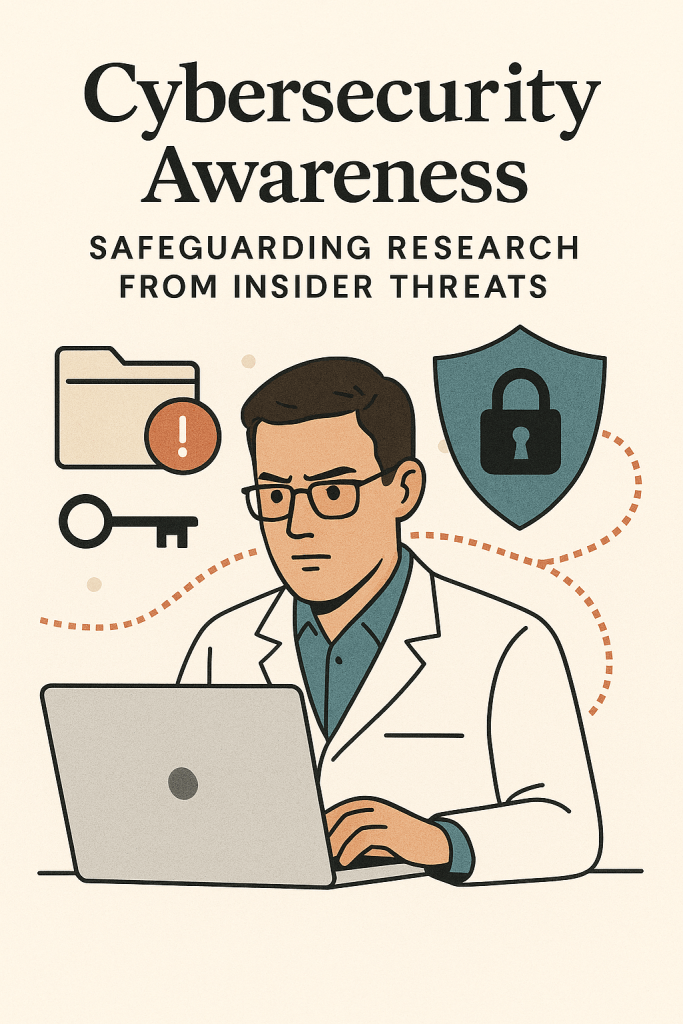
An insider threat can manifest in many ways, from accidental negligence to deliberate sabotage. In the context of research, an insider threat could compromise sensitive data, disrupt project timelines, or even lead to intellectual property theft. The question is, how do we safeguard our research from these insidious dangers?
One critical aspect of mitigating insider threats lies in education and awareness. It’s not enough to simply implement technical controls; researchers need to understand the risks associated with their actions. This includes being mindful of sensitive data handling practices, recognizing the importance of access control, and avoiding behaviors that could be exploited by malicious actors.
When it comes to safeguarding research from insider threats, one key strategy is to adopt a layered approach to security. This involves combining technical controls like encryption and access management with non-technical measures such as employee education and awareness programs. By doing so, we can create a robust defense against insider threats that’s far more effective than relying on any single solution.
One of the primary challenges in addressing insider threats is striking a balance between security and usability. On one hand, overly restrictive controls can stifle productivity and collaboration; on the other hand, lax policies can leave sensitive data vulnerable to exploitation. By implementing solutions that are both secure and user-friendly, we can minimize the risk of insider threats without compromising our research goals.
Another essential component in mitigating insider threats is to establish a culture of transparency and accountability within our institutions. This involves fostering an environment where employees feel comfortable reporting concerns or suspicious behavior without fear of retribution. By doing so, we can identify potential issues early on and take proactive steps to address them before they escalate into major incidents.
In addition to these measures, it’s essential to conduct regular security audits and risk assessments to identify vulnerabilities in our systems and processes. This involves monitoring employee activity, analyzing access patterns, and reviewing data handling practices to ensure compliance with established policies and procedures. By staying vigilant and proactive, we can minimize the likelihood of insider threats and safeguard our research from potential harm.
While no single solution can completely eliminate the risk of insider threats, a comprehensive approach that combines education, awareness, technical controls, and non-technical measures can significantly reduce this risk. By working together to create a culture of security and accountability within our institutions, we can protect our research from these insidious dangers and continue advancing knowledge with confidence.
In conclusion, safeguarding our research from insider threats requires a multifaceted approach that addresses both technical and human factors. By prioritizing education, awareness, transparency, and accountability, we can minimize the risk of insider threats and ensure the continued integrity of our research endeavors. As researchers, it’s our responsibility to stay vigilant and proactive in this regard, and by doing so, we can safeguard our work for years to come.
 Pickett Applied Technologies Laboratories
Leave a comment